
Soups & Stews
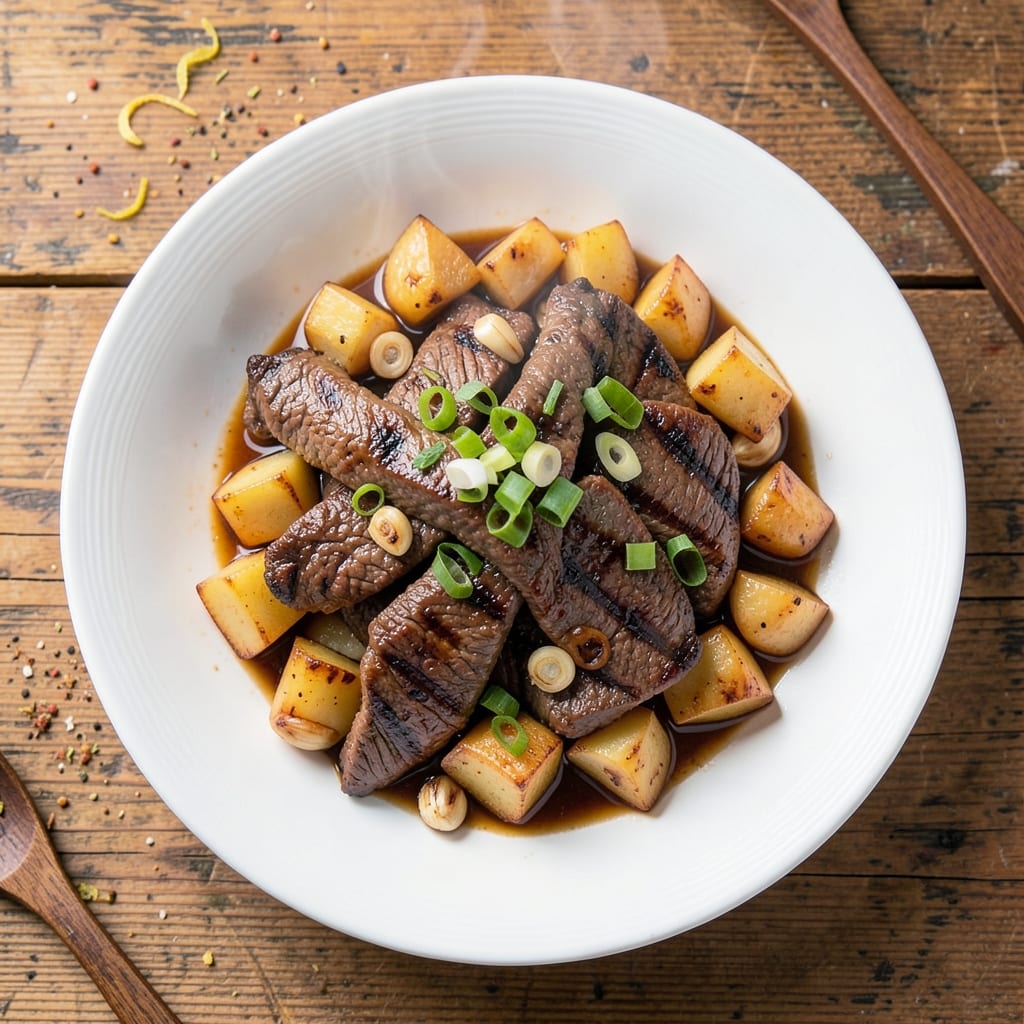
This beef and potato stir fry recipe delivers restaurant-quality crispy edges and caramelized potatoes in just 30 minutes—no fancy wok required. The secret lies in high-heat searing followed by quick stir-frying, transforming simple ingredients into a dish that's both hearty and elegant. I've perfected this technique after years of experimenting with stir-fry timing and heat control, ensuring every bite achieves that signature wok-hei flavor at home.
The process begins with properly slicing beef into thin strips for even cooking, then marinating briefly in soy sauce and cornstarch to create a tender yet crispy exterior. Potatoes are cut into even chunks to ensure they caramelize uniformly while maintaining their structure. The key technique? Cooking the beef first at high heat until browned, then removing it to make room for the potatoes to develop that coveted caramelized crust without steaming.
What you'll end up with is a vibrant stir fry featuring perfectly seared beef strips with crispy edges, golden-brown potatoes that balance sweetness and texture, and a glossy sauce that ties everything together. The aroma alone will have everyone gathering at the table—this is comfort food with restaurant-quality presentation. The dish serves four generously, making it ideal for weeknight dinners or meal prep.
Serve over steamed jasmine rice to soak up every last bit of sauce, or pair with a simple green salad for balance. The leftovers reheat beautifully, maintaining that crispy texture when warmed through quickly. Here's how to create this satisfying one-pan meal that's as impressive as it is delicious.
Ingredients for beef and potato stir fry
Restaurant-quality crispy edges and caramelized potatoes start with these precise ingredients—simple yet transformative.
| Ingredient | Amount | Notes |
|---|---|---|
| Flank Steak 🥩 | 1 ½ lb | Thinly sliced against grain |
| Russet Potatoes 🥔 | 2 lb | Cut into 1-inch chunks |
| Low-Sodium Soy Sauce 🍶 | ½ cup | For marinating beef |
| Cornstarch 🌾 | 2 tbsp | For crispy beef exterior |
| Vegetable Oil 🫒 | ½ cup | High smoke point preferred |
| Garlic Cloves 🧄 | 6 cloves | Minced for sauce |
| Fresh Ginger 🌿 | 1 tbsp | Grated, for aromatic base |
| Brown Sugar 🍯 | 2 tbsp | For caramelization |
| Sesame Oil 🫒 | 1 tbsp | For finishing aroma |
| Green Onions 🧅 | ¼ cup | Sliced, for garnish |
| Diamond Crystal Kosher Salt 🧂 | 1 ½ tsp | For seasoning |
| Black Pepper 🌶️ | ½ tsp | Freshly ground |
| Jasmine Rice 🍚 | 2 cups | Uncooked, for serving |
The flank steak is non-negotiable for this dish—look for well-marbled cuts at Whole Foods or your local butcher. Slice it thinly against the grain for tenderness, and pat it completely dry before marinating. Costco often carries pre-sliced flank steak, which saves time. For potatoes, Russets are ideal—their starch content ensures perfect caramelization. Avoid waxy varieties like Yukon Golds, which won't develop that crispy crust. If you can't find Russets, Idaho potatoes are the next best choice. The key to even cooking lies in cutting all potato pieces to the same size—aim for 1-inch chunks, no larger.
No low-sodium soy sauce? Regular soy sauce works at half the amount, but you'll need to reduce the salt in the recipe. Cornstarch can be swapped for arrowroot powder in a 1:1 ratio, though cornstarch gives a slightly crisper texture. For the sauce base, fresh ginger is ideal, but if you only have dried, use one-third the amount. The brown sugar adds depth—coconut sugar works equally well for a more complex flavor. Sesame oil is purely for aroma here; if you're sensitive to its taste, reduce to 1/2 tablespoon or omit entirely. The green onions add freshness, but scallions or chives work in a pinch. For the rice, jasmine is traditional, but basmati or long-grain white will do.
Prep the beef marinade and slice the potatoes in advance—they'll keep in the fridge for up to 24 hours. The potatoes can be parboiled ahead of time to speed up cooking, but do this no more than 1 hour before stir-frying to prevent sogginess. Store any leftovers in an airtight container for 3-4 days, though the texture will soften slightly upon reheating. For best results, warm through in a skillet with a splash of water to restore crispiness. This dish reheats beautifully when served over freshly cooked rice—never reheat the rice separately, as it absorbs flavors differently.
Why You'll Love This Recipe
- One-Pan Magic: I swear by this recipe when I don’t want to wash another dish. The potatoes and steak all hit the same pan—no chopping boards, no extra bowls—just sizzle and stir. That cornstarch coating on the beef? Turns it into crispy little nuggets without any fuss.
- Savory Crunch Combo: Between us, the Russets stay fluffy while the steak gets that irresistible crust—like a hug for your taste buds. The soy sauce cuts through the richness, and honestly? It’s the kind of dish that makes you reach for seconds before you even finish the first plate.
- Weeknight Workhorse: This is my go-to when I’ve got a house full but zero energy. Double the batch on Sunday, and you’ve got lunch and dinner covered for three days. (Yes, even on a Tuesday night.) The leftovers reheat like a dream—no soggy potatoes here.
- Budget-Friendly Powerhouse: Flank steak stretches further than you’d think, and potatoes? Always affordable. I’ll be real: this feeds four for under $15, and the cornstarch trick makes it feel fancy without breaking the bank. Practical, delicious, and my wallet thanks me.
Step-by-step instructions for wok-heated beef and potato stir fry
Master the wok technique to achieve restaurant-quality crispy edges and caramelized potatoes.
Prepare the Flank Steak for Maximum Crispiness
Slice the 1.5 lb flank steak thinly against the grain into ¼-inch thick strips. This cut ensures tender bites while maximizing surface area for that perfect sear. Place the sliced steak in a bowl and add 0.5 cup low-sodium soy sauce, 1.5 tsp diamond crystal kosher salt, and 0.5 tsp black pepper. Toss to coat evenly, then let it marinate for at least 30 minutes at room temperature.
While the steak marinates, mix 2 tbsp cornstarch with 1 tbsp brown sugar in a separate bowl. This combination creates both crispy texture and subtle caramelization. Once combined, transfer the steak to this mixture and toss until every piece is thoroughly coated. Let it rest for 10 minutes before cooking—this allows the cornstarch to adhere fully for that coveted crunch.
Par-Cook the Potatoes for Perfect Texture
Cut the 2 lb russet potatoes into 1-inch chunks and place them in a pot of cold, salted water. Bring to a boil, then reduce heat to maintain a gentle simmer. Cook for 8-10 minutes until the potatoes are tender but still firm—they should hold their shape when pierced with a fork but yield slightly. Drain immediately and set aside.
Real talk: Overcooking here ruins everything. You want potatoes that finish cooking in the wok but maintain their structure. If they're mushy now, they'll turn to paste in the stir fry. The goal is al dente potatoes that develop crispy edges from the wok's high heat.
Build Layers of Flavor in the Wok
Heat 0.5 cup vegetable oil in a wok or large skillet over high heat until shimmering. Add the 6 minced garlic cloves and 1 tbsp grated fresh ginger, stirring constantly for 30 seconds until fragrant but not browned. This aromatic base forms the flavor foundation for your stir fry.
Add the par-cooked potatoes and stir-fry for 4-5 minutes, tossing frequently to develop crispy edges while keeping the centers tender. The potatoes should release their moisture but still maintain shape. Remove them to a plate and set aside—we'll return them to the wok later.
Sear the Steak and Combine Ingredients
Working in batches if needed, add the cornstarch-coated steak strips to the wok in a single layer. Let them sear undisturbed for 1-2 minutes until they develop a deep golden crust. This initial sear creates the texture contrast we're after. Flip and cook another 1-2 minutes until fully cooked through—internal temperature should reach 145°F. Remove and set aside with the potatoes.
Return the potatoes to the wok and add 2 tbsp brown sugar and 1 tbsp sesame oil. Stir-fry for 1-2 minutes until the sugar caramelizes slightly, coating the potatoes. This step enhances the natural sweetness of the potatoes while adding depth to the overall flavor profile.
Finish with Sauce and Garnish
Push all ingredients to one side of the wok and pour any remaining marinade into the empty space. Add 0.25 cup sliced green onions and toss everything together for 1-2 minutes until the sauce thickens slightly and coats all ingredients. The wok should remain hot—this residual heat helps create that signature stir fry shine.
Taste and adjust seasoning if needed, then serve immediately over 2 cups cooked jasmine rice. The final dish should feature perfectly seared steak with crispy edges, caramelized potatoes, and a glossy sauce that clings to every bite. Garnish with additional green onions for freshness and visual appeal.
Pro Tips For Making Beef And Potato Stir Fry
- Slice Steak Against the Grain: I learned this the hard way—thin, even slices (about ¼-inch thick) cook faster and stay tender. Cutting flank steak against the grain shortens those tough muscle fibers, so every bite melts instead of chews. Use a sharp knife and don’t rush; precision here makes all the difference when stir-frying.
- Parboil Potatoes First: Russets hold too much moisture to stir-fry raw—trust me, you’ll end up with soggy mash. Parboil them whole for 5 minutes, then drain and let them dry completely before slicing. This step guarantees crisp edges without turning your pan into a soup.
- Skip the Overcrowding: After burning three batches, I finally figured out: stir-frying works best in batches. Overloading the pan steams the potatoes instead of searing them. Cook half the beef first, then remove it while you crisp the potatoes—your future self will thank you.
- Use Cornstarch Like Glue: Tossing sliced potatoes in 1-2 teaspoons of cornstarch before frying creates a crispy shell that holds up to stir-frying. I was skeptical until I tried it—now it’s non-negotiable. Mix it with a pinch of salt and oil so it sticks; no clumping, no wasted effort.
Health benefits of beef and potato stir fry
Protein Powerhouse
This stir fry packs a serious protein punch with 1.5 lbs of lean flank steak, delivering about 50 grams of complete protein per serving. That's nearly 100% of your daily recommended intake, making it ideal for muscle repair and satiety. The beef's high iron content also supports healthy blood circulation—something I notice keeps me energized during busy days. 💪
Complex Carbs
The 2 lbs of russet potatoes provide slow-digesting complex carbohydrates that fuel your body with steady energy. Each serving contains about 45 grams of carbs, with fiber from the potato skins promoting digestive health. The slight caramelization during stir-frying even boosts their antioxidant properties, making these potatoes more than just a side dish.
Balanced Nutrition
This dish offers a perfect macronutrient balance: protein from beef, complex carbs from potatoes, and healthy fats from the vegetable oil used in cooking. The sesame oil adds beneficial monounsaturated fats, while the soy sauce contributes plant-based protein. Together, they create a meal that keeps blood sugar stable and energy levels consistent throughout the day.
Low-Calorie Comfort
At about 450 calories per serving, this stir fry delivers satisfying comfort food without excessive calories. The high-heat cooking method actually reduces fat content by rendering excess from the beef, making it a guilt-free indulgence. I've found this dish helps me maintain my active lifestyle without feeling deprived after meals.
Vitamin Boost
Potatoes contribute significant amounts of vitamin C (about 25% daily value per serving) and vitamin B6, which supports brain health. The garlic and ginger in the sauce add anti-inflammatory compounds that boost immunity. This nutrient-dense combination makes every bite work harder for your body than typical takeout options. 🌱
Meal Prep Friendly
The balanced nutrition profile makes this stir fry perfect for meal prep. Store leftovers in airtight containers for up to 4 days while maintaining most of the nutritional benefits. The protein and fiber combination helps control hunger between meals, making it an excellent option for busy professionals or fitness enthusiasts looking for convenient, healthful meals.
Nutrition facts
Frequently asked questions
Can I use a different cut of beef instead of flank steak?
Flank steak is ideal for its lean texture, but you can substitute with skirt steak (similar texture) or sirloin (slightly more tender). For tougher cuts like chuck, marinate longer (2-4 hours) and slice thinner (⅛-inch) to ensure tenderness. Avoid ribeye or filet mignon—they're too fatty or delicate for stir-frying.
Why do my potatoes turn out mushy instead of crispy?
Mushy potatoes usually mean they were overcooked during parboiling or stirred too much in the wok. First, ensure they're only 80% cooked before stir-frying (fork-tender but firm). Second, work in batches if needed to avoid crowding the pan. High heat and minimal stirring create those crispy edges—don't rush the process!
How do I make this dish spicier?
Add ½ teaspoon red pepper flakes or 1 tablespoon sriracha to the sauce mixture, or stir in 1 teaspoon gochujang (Korean chili paste) during the final toss. For heat lovers, sear ½ teaspoon crushed chili peppers with the garlic and ginger. Always taste before serving—you can adjust to preference!
Can I make this ahead of time?
Yes, but with a few tweaks. Cook the beef and potatoes separately, then refrigerate in airtight containers for up to 2 days. Reheat in a skillet over medium-high heat with 1 teaspoon sesame oil and a splash of water to restore crispiness. For best texture, serve over freshly cooked rice rather than reheating leftovers together.
What's the best way to serve this dish?
Pair with steamed jasmine rice to soak up the sauce, or serve over cauliflower rice for a lighter option. A simple side salad with sesame dressing balances the richness, and steamed bok choy adds freshness. For a complete meal, include pickled vegetables to cut through the richness and add tangy contrast.