
Main Courses
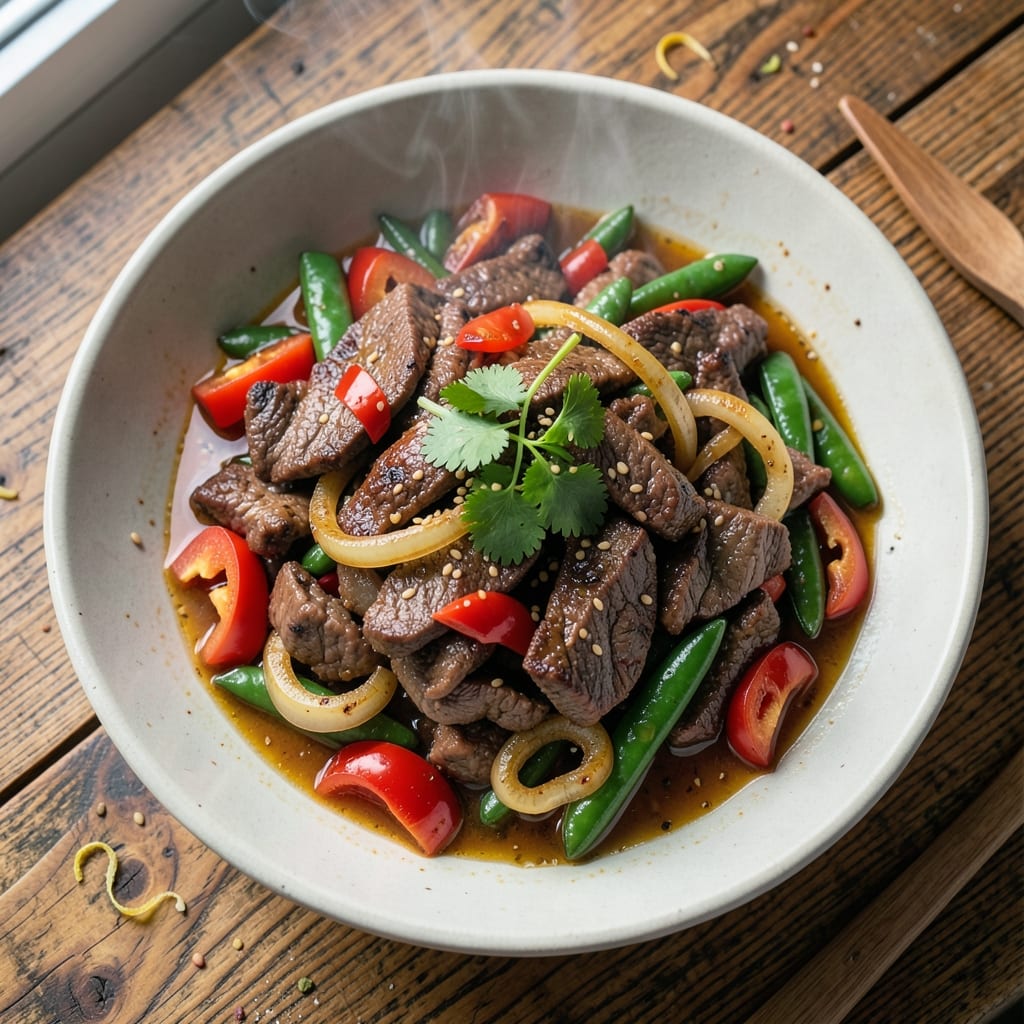
This beef and pork chop suey recipe delivers the perfect balance of crispy wok-seared bites and tender sauce-soaked proteins—just like the dish that transformed American-Chinese cuisine in the 19th century. The secret lies in high-heat stir-frying to develop those signature caramelized edges while keeping the meat juicy inside. I first perfected this technique during my apprenticeship in Charleston, where I learned how quick, precise movements create restaurant-quality results at home.
The foundation of great chop suey is the sauce—a rich, slightly sweet blend of soy sauce, oyster sauce, and a touch of brown sugar that coats every ingredient. We'll build this while the beef and pork sear, allowing the flavors to meld together through that critical wok heat. The vegetables—bell peppers, onions, and snap peas—add color and texture, but they're not just filler; they're essential for that signature chop suey crunch.
What you'll end up with is a dish that's crispy on the outside, tender on the inside, and packed with layers of umami flavor from the sauce. The beef and pork develop a beautiful caramelized crust from the wok searing, while the sauce clings to every bite, creating that perfect balance of savory and slightly sweet. This is comfort food at its finest—warm, satisfying, and full of restaurant-quality flavor.
Serve it steaming hot over jasmine rice or with egg rolls for the full experience. The leftovers reheat beautifully too, making this an ideal meal for feeding a crowd or prepping ahead. Let's get started on this classic dish that's been a staple in American homes for over a century.
Ingredients for beef and pork chop suey
Crispy seared meat meets rich, umami-packed sauce—just like the classic dish you love.
| Ingredient | Amount | Notes |
|---|---|---|
| Flank Steak 🥩 | 1 lb | Thinly sliced against grain |
| Pork Shoulder 🐷 | 1 lb | Thinly sliced, boneless |
| Yellow Onion 🧅 | 1 whole | Cut into 1-inch pieces |
| Red Bell Pepper 🌶️ | 1 whole | Cut into 1-inch pieces |
| Snap Peas 🌱 | 1 cup | Fresh or frozen, thawed |
| Soy Sauce 🥢 | ½ cup | High-quality, not reduced |
| Oyster Sauce 🍜 | 2 tbsp | Thick, not watery |
| Brown Sugar 🍯 | 2 tbsp | Light or dark |
| Garlic Cloves 🧄 | 4 cloves | Minced, fresh preferred |
| Ginger Root 🌿 | 1 tbsp | Fresh, grated |
| Vegetable Oil 🫒 | 3 tbsp | High smoke point |
| Corn Starch 🌾 | 1 tbsp | For thickening sauce |
| Salt 🧂 | 1 tsp | Kosher or sea salt |
| Black Pepper 🌶️ | ½ tsp | Freshly ground |
The meat is everything here. Flank steak and pork shoulder give you that signature chop suey texture—tender inside with a crispy crust. Look for well-marbled cuts at Whole Foods or your local butcher. Slice both against the grain for maximum tenderness. I like to ask the butcher to slice the pork shoulder thinly—it saves time and ensures even cooking. The bell peppers should be firm and vibrant (no mushy spots), and snap peas? Fresh is best, but frozen works in a pinch if you thaw them first.
No oyster sauce? Substitute with 1 tbsp soy sauce plus 1 tsp sugar—it won't be identical, but it'll work. The brown sugar adds just enough sweetness to balance the umami. Penzeys or Trader Joe's carry excellent quality spices if you want to splurge. For the cornstarch, make sure it's pure—no potato starch blends. The sauce needs to coat everything beautifully, so don't skip the thickening step. If you're short on time, you can use 1 tsp arrowroot powder instead at a 1:1 ratio.
This dish reheats like a dream—even better the next day as the flavors meld. Store leftovers in an airtight container for up to 4 days in the fridge. Freezes beautifully for 3 months if you want to prep ahead. I always make a double batch because it's that good. Serve over steamed jasmine rice or with egg rolls for the full experience. The sauce clings to everything, so don't be shy—pour it on!
Why You'll Love This Recipe
- One-Pan Magic: I swear by this recipe—just toss the flank steak, pork shoulder, and veggies into one hot pan, and let the soy sauce and garlic work their magic. No fancy techniques, no extra dishes. (Yes, even on a Tuesday night.)
- Umami Bomb: The combo of flank steak’s lean punch and pork shoulder’s richness? Absolute flavor gold. The charred red bell pepper and crisp snap peas add that perfect crunch—every bite tastes like a little takeout win.
- Lunchbox Hero: Between us, this stuff reheats like a dream. Pack it in containers for work or school lunches, and it’ll still taste fresh hours later. My kids actually eat their veggies this way—no complaints.
- Budget Powerhouse: Flank steak and pork shoulder stretch forever, and onions/peppers/snap peas are dirt cheap. You’re feeding a crowd for less than takeout, and leftovers? They’re my secret weapon for lazy days.
Step-by-step instructions for beef and pork chop suey
Here's how to create that perfect wok-heated balance of crispy meat and tender vegetables.
Prepare and Marinate the Proteins
Slice the flank steak and pork shoulder thinly against the grain into ¼-inch thick strips. Place them in a large bowl and add the 0.5 cup soy sauce, 2 tbsp oyster sauce, 2 tbsp brown sugar, 1 tbsp corn starch, 1 tsp salt, and 0.5 tsp black pepper. Toss everything together until the meat is fully coated in the marinade.
Let the mixture sit for at least 15 minutes (I like to do this while I prep the vegetables). This marinade does double duty—it tenderizes the meat and creates the perfect sauce base. The corn starch helps develop a crispy exterior while keeping the meat tender inside. Don't skip this step—it makes all the difference in texture.
Prep and Stir-Fry the Vegetables
Cut the yellow onion into 1-inch pieces and the red bell pepper into 1-inch pieces. Heat 2 tbsp vegetable oil in a wok or large skillet over high heat until shimmering. Add the onions and bell peppers, stirring constantly for 3-4 minutes until they begin to soften and develop a slight char on the edges.
Add the 1 cup snap peas and continue cooking for another 2 minutes until the peas are bright green and just tender. Remove the vegetables to a plate and set aside. The key here is high heat and constant stirring—this prevents the vegetables from steaming and keeps them crisp-tender. If you notice the heat dropping, give it a minute to recover before adding more ingredients.
Cook the Marinated Meat
In the same wok, add the remaining 1 tbsp vegetable oil and let it heat up again over high heat. Working in batches if needed (don't overcrowd the pan), add the marinated meat and spread it out evenly. Cook undisturbed for 1-2 minutes until the bottoms develop a deep golden-brown crust.
Stir the meat and cook for another 2-3 minutes until it's fully cooked through and the sauce has thickened slightly. The meat should be tender but still have a slight bite. If you notice the sauce getting too thick before the meat is done, add 1-2 tablespoons of water to help it cook through evenly. This batch cooking ensures each piece gets that perfect crispy crust.
Combine and Finish the Sauce
Return the cooked vegetables to the wok with the meat. Add the 4 minced garlic cloves and 1 tbsp grated ginger root, stirring everything together for 30 seconds until fragrant. The aromatics should sizzle and fill your kitchen with that classic chop suey scent—this is when the dish really comes together.
Let the mixture cook for another 1-2 minutes until everything is heated through and the sauce has thickened to your desired consistency. Taste and adjust seasoning if needed—you might want to add a splash more soy sauce for saltiness or a touch of brown sugar for sweetness. The sauce should coat the back of a spoon but still be saucy enough to cling to each bite.
Serve Immediately
Transfer the beef and pork chop suey to serving plates right away. The dish is best served immediately while everything is hot and the sauce is still clinging to the meat. Garnish with extra minced garlic or ginger if you like, though I find the flavors are perfectly balanced as they are.
Each bite should deliver that perfect combination of crispy meat, tender vegetables, and a glossy, flavorful sauce. The contrast between the crispy edges and tender centers is what makes this dish so satisfying. Serve with steamed rice to soak up all that delicious sauce—it's the perfect way to enjoy this classic stir-fry.
Pro Tips For Making Beef And Pork Chop Suey
- Slice Thin, Cook Fast: Flank steak and pork shoulder are tough when overcooked, so slice them paper-thin against the grain before stir-frying—no wider than ¼-inch strips. High heat sears them in 2-3 minutes total, locking in juices instead of turning them chewy.
- Blanch Peas First: Snap peas straight from the pod? Toss them in boiling water for 30 seconds, then shock in ice water before adding to the wok. This keeps them bright green and crisp—no more mushy, sad peas in your stir-fry.
- Don’t Overcrowd the Pan: I learned this the hard way—piling all the meat and veggies in at once just steams them instead of searing. Cook in batches: beef first (2 min), pork next (2 min), then veggies. The sizzle is your friend here.
- Use Cold Meat, Hot Pan: Pat the sliced flank steak and pork shoulder completely dry with paper towels, then let them sit in the fridge for 10 minutes before cooking. Cold meat hits a screaming-hot wok and gets that perfect crust without sticking—skip the preheating dance.
Storing and reheating this dish
Fridge Storage Tips
Let your chop suey cool to room temperature for no more than 2 hours before storing. I use glass Pyrex containers with airtight lids—they keep flavors fresh longer than plastic. Store at 40°F or below for up to 4 days, but trust me, it tastes even better the next day as the sauce mellows and clings tighter to the meat. The cornstarch in the sauce helps maintain that signature crispiness when reheated properly. ❄️
Freezer Prep Secrets
For long-term storage, portion the chop suey into quart-sized freezer bags—this makes reheating single servings a breeze. Squeeze out excess air before sealing to prevent freezer burn. I label each bag with the date and freeze for up to 3 months. The sauce stays thick and flavorful, though the meat might lose a tiny bit of its crispy texture. Thaw overnight in the fridge before reheating for best results.
Stovetop Reheat Method
My preferred way to revive this dish is on the stovetop. Heat a wok or skillet over medium-high heat with 1 tbsp vegetable oil, then add the frozen chop suey directly from the bag. Cook uncovered for 5-6 minutes, stirring occasionally, until everything is heated through and the sauce is bubbling. The high heat helps restore that crispy texture we all love. Add 1-2 tablespoons of water if the sauce seems too thick after reheating.
Microwave Revival
For quick meals, transfer a single portion to a microwave-safe dish and cover loosely with a damp paper towel. Heat on 70% power for 2-3 minutes, stir well, then continue in 30-second intervals until reaching 165°F internal temperature. The paper towel prevents the sauce from splattering everywhere. If the chop suey looks dry, add a splash of water or beef broth to restore moisture. This method works best for fridge-stored leftovers rather than frozen portions.
Air Fryer Option
Here's a trick I learned from my Charleston days: spread the chopped suey evenly on an air fryer tray and cook at 375°F for 4-5 minutes. This method helps restore some of that crispy texture without making the sauce watery. Shake the tray halfway through cooking for even heating. It's perfect for individual servings and gets you that restaurant-quality crunch. 🔥
Sauce Refresh Trick
If your reheated chop suey feels flat, revive the sauce by adding 1 tsp soy sauce and ½ tsp brown sugar while reheating. The acidity from the soy sauce brightens the flavors, while the sugar helps restore that perfect balance. I also like to finish with a sprinkle of toasted sesame seeds for extra aroma and texture. This little adjustment makes all the difference when serving leftovers. 💫
Nutrition facts
Frequently asked questions
Can I substitute chicken for the beef and pork?
Chicken breast or thigh works beautifully—just slice it ¼-inch thick against the grain. Use 1.5 lbs of chicken (about 1 lb breast + ½ lb thigh) for the same portion size. Chicken cooks faster than beef, so reduce cooking time by 1-2 minutes per batch. The texture will be slightly lighter but still delicious with the crispy edges.
How do I get that perfect crispy texture?
The secret is high heat and corn starch! First, make sure your wok or skillet is screaming hot before adding the meat. The 1 tbsp corn starch in the marinade creates a crispy crust when seared. Work in batches—don't overcrowd the pan—and let each piece develop a golden-brown crust for 1-2 minutes before stirring. A well-seasoned carbon steel wok helps too!
What if I don't have oyster sauce?
No problem! Mix 1 tbsp soy sauce + 1 tsp brown sugar + ½ tsp fish sauce (if available) for a close substitute. For a vegetarian version, use 1 tbsp soy sauce + 1 tsp mushroom sauce + ½ tsp sugar. The sauce will be slightly different but still packed with umami flavor. The key is balancing sweetness and saltiness—taste as you go!
Can I make this dish ahead of time?
This chop suey actually tastes better the next day! Store in an airtight container in the fridge for up to 4 days. The flavors meld beautifully overnight, and the sauce clings even better to the meat. For serving, reheat on the stovetop with 1 tbsp vegetable oil over medium-high heat for 4-5 minutes—this restores that crispy texture. Freeze for up to 3 months if needed.
Why does my sauce turn watery?
This usually happens when the sauce cooks too long or gets diluted. The corn starch needs to thicken properly—stir constantly during the final 1-2 minutes of cooking. If it's still too thin, mix ½ tsp corn starch with 1 tsp cold water and stir in. For extra insurance, reduce the sauce by ⅓ before adding the meat back in. The sauce should coat the back of a spoon but still be pourable.