
Soups & Stews
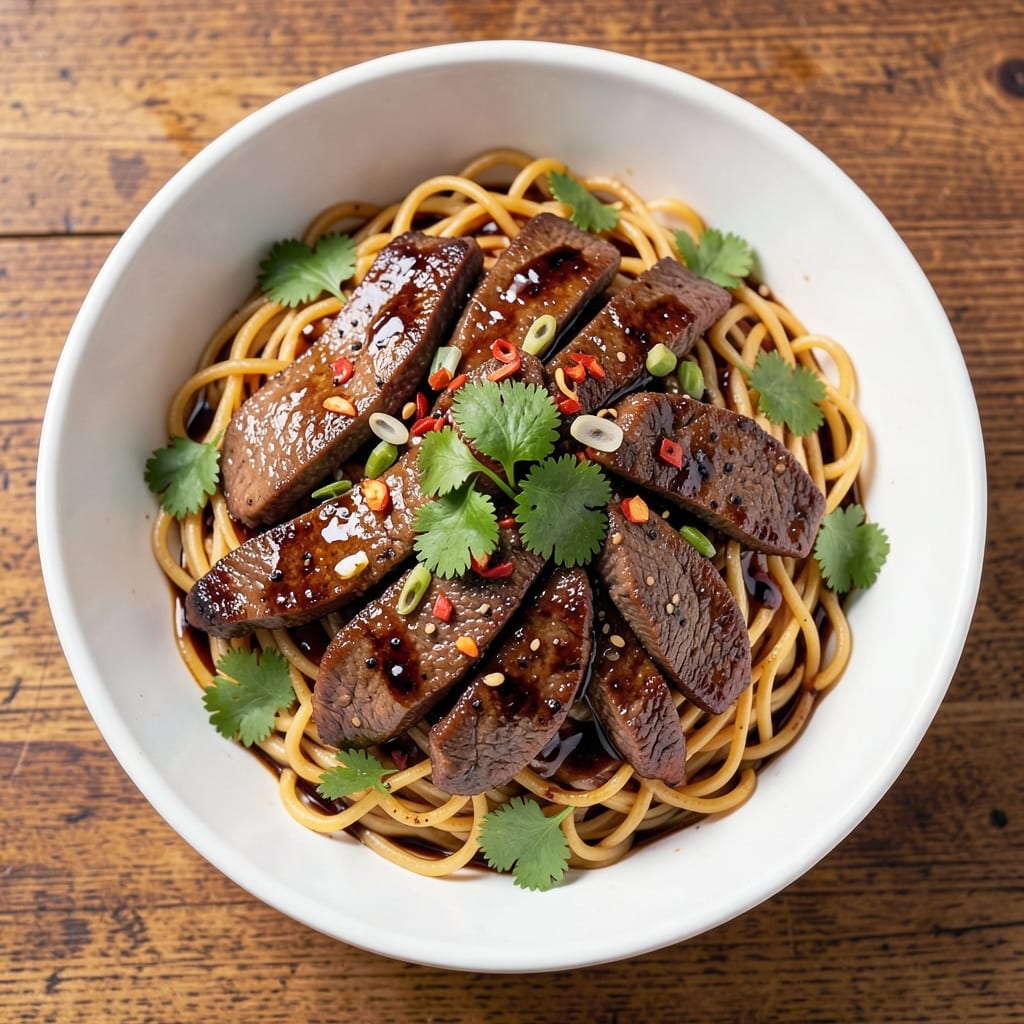
This wok-hot crispy beef and hokkien noodles recipe delivers the bold flavors of Singapore street food with restaurant-quality results at home. The secret lies in high-heat stir-frying thinly sliced beef until it achieves that signature crispy texture while keeping the noodles silky and perfectly al dente. I've perfected this recipe through countless wok sessions, balancing rich beef flavors with the fresh, slightly chewy noodles and aromatic vegetables.
The foundation starts with tender beef strips marinated in a blend of soy sauce, ginger, and garlic, then seared in a screaming-hot wok until they develop those coveted crispy edges. Meanwhile, fresh egg noodles cook just until tender—never overdone—so they maintain their signature bite. A simple yet flavorful sauce ties everything together, combining dark soy sauce, oyster sauce, and a touch of sugar to create that perfect umami-sweet balance.
What you'll end up with is a dish that's as visually stunning as it is delicious—golden-brown beef pieces nestled among glossy noodles, vibrant vegetables, and a glossy sauce that coats every bite. The aroma alone will have everyone gathering around the table, and the first forkful delivers that perfect combination of textures and flavors that makes this dish a crowd-pleaser.
Serve immediately with optional garnishes like crispy fried shallots and fresh cilantro for added texture and freshness. This recipe scales beautifully for family dinners or gatherings, and the leftovers reheat surprisingly well. Let's get cooking—your taste buds are about to be transported to the bustling streets of Singapore.
Ingredients for beef and hokkien noodles
These bold ingredients transform into wok-hot, restaurant-style beef and hokkien noodles.
| Ingredient | Amount | Notes |
|---|---|---|
| Thinly Sliced Beef (Flank or Sirloin) 🥩 | 1 ½ lb | Pounded to even thickness |
| Egg Noodles (Hokkien Style) 🍜 | 12 oz | Fresh or dried, uncooked |
| Dark Soy Sauce 🍶 | ½ cup | For color and depth |
| Light Soy Sauce 🍶 | ¼ cup | For saltiness balance |
| Oyster Sauce 🦪 | ¼ cup | High-quality preferred |
| Sesame Oil 🌱 | 1 tbsp | Toasted, for aroma |
| Fresh Ginger 🧄 | 1 ½ tbsp | Finely grated, juicy |
| Garlic Cloves 🧄 | 6 cloves | Minced, aromatic |
| White Sugar 🍚 | 1 tbsp | Balances flavors |
| Vegetable Oil 🫒 | ½ cup | High smoke point |
| Green Onions 🧅 | 6 whole | Sliced, for garnish |
| Crispy Fried Shallots 🧅 | ¼ cup | Store-bought or homemade |
| Fresh Cilantro 🌿 | ¼ cup | Chopped, optional garnish |
| Salt 🧂 | 1 tsp | Kosher preferred |
| Black Pepper 🌶️ | ½ tsp | Freshly ground |
The beef is everything here—flank or sirloin cut, pounded to even thickness for that signature crispy texture. Look for well-marbled beef at the meat counter, and ask for it to be sliced paper-thin. If you can't find hokkien noodles, fresh egg noodles work just as well. The soy sauces? Dark soy sauce gives that gorgeous brown color, while light soy sauce adds saltiness. I always grab the Lee Kum Kee oyster sauce—it's a pantry staple for this dish. Toasted sesame oil is non-negotiable for that authentic aroma, so don't skip it.
No dark soy sauce? Substitute with a mix of light soy sauce and a pinch of molasses—it won't be identical, but close enough. Fresh ginger and garlic are ideal, but paste works in a pinch if you're short on time. The sugar balances the salty-savory flavors, so don't skip it—even though it seems counterintuitive. For the oil, high smoke point is key—vegetable or canola oil works best. If you're feeling fancy, toast the garlic and ginger in the oil first to build even more flavor. The noodles should be cooked just until al dente—overcooking turns them mushy.
This dish is all about freshness—serve it immediately for that wok-hot experience. Store leftovers in an airtight container for up to 3 days, but honestly, it's best eaten fresh. Reheating works, but the texture won't be quite the same. For extra crunch, toast the fried shallots in the wok for 30 seconds before serving. The beef and noodles can be prepped ahead—just store them separately and assemble when ready to eat. Garnish with cilantro if you love its bright flavor, or skip it if you prefer a cleaner look.
Why You'll Love This Recipe
- One-Pan Magic: Honestly, I swear by this—just beef, noodles, and a splash of sauces in one wok. No chopping boards, no extra pots, and that caramelized beef? It’s all happening in the same pan where you start.
- Umami Bomb: Between us, the combo of dark soy for depth, light soy for brightness, and oyster sauce? It’s a flavor explosion. That crispy beef edge with the chewy noodles—every bite tastes like a little victory.
- Meal Prep MVP: I make double batches on Sundays because it reheats like a dream. The noodles stay tender, the beef stays juicy, and it’s ready in minutes—perfect for lazy nights or packed lunches.
- Budget-Friendly Feast: Thinly sliced beef stretches far, and the sauces add luxury without breaking the bank. It’s the kind of dish where you get restaurant-quality taste for a fraction of the cost—my wallet thanks me every time.
Step-by-step instructions for wok-hot crispy beef and silky noodles
Here's how to achieve that perfect wok-hei—smoky, crispy beef with silky noodles that cling together.
Marinate and Veloute the Beef
In a bowl, combine the 1.5 lb thinly sliced beef (flank or sirloin) with 0.25 cup oyster sauce, 1 tbsp white sugar, 1.5 tbsp finely grated fresh ginger, 6 minced garlic cloves, 0.5 tsp black pepper, and 1 tsp salt. Mix thoroughly until the beef is evenly coated. Let it marinate for at least 30 minutes in the refrigerator—this ensures tender, flavorful slices that won't shrink in the wok.
After marinating, spread the beef on a wire rack set over a baking sheet. Refrigerate uncovered for another 15-20 minutes to dry the surface slightly. This velouteing step is crucial—it creates that signature crispy crust when seared. Pat any excess moisture off with paper towels before cooking.
Cook the Noodles Al Dente
Bring a pot of water to a rolling boil and add 12 oz egg noodles (hokkien style). Cook for 1 minute less than the package instructions—you want them al dente. Drain immediately and rinse briefly under cold water to stop the cooking process. Toss the noodles with 1 tbsp toasted sesame oil to prevent sticking and add a subtle aroma.
Keep the noodles covered with a damp towel while you finish the beef. Overcooking them will turn them mushy, and you want that perfect chewy texture. The noodles should be tender but still offer some resistance when bitten.
Build the Flavor Base
Heat 0.5 cup vegetable oil in a wok or large skillet over high heat until shimmering. Add the marinated beef in a single layer—don't overcrowd the pan. Let it sear undisturbed for 1-2 minutes until the edges turn deep golden brown. This is where the magic happens—the beef develops that crispy crust while staying tender inside.
Remove the beef and set aside. In the same wok, add a splash of 0.25 cup light soy sauce and 0.5 cup dark soy sauce. Scrape up any browned bits from the bottom—this creates a rich, umami-packed sauce. Add 1 tbsp white sugar and let it caramelize slightly for 30 seconds until the mixture darkens and smells fragrant.
Combine and Finish
Return the beef to the wok and toss to coat in the sauce. Add the cooked noodles and mix gently to distribute everything evenly. The noodles should absorb the sauce without turning soggy—this is why we kept them al dente. Cook for an additional 1-2 minutes over medium-high heat to let the flavors meld.
Turn off the heat and immediately stir in 0.25 cup crispy fried shallots and 0.25 cup chopped fresh cilantro. Garnish with 6 sliced green onions. Serve immediately while the beef is still crispy and the noodles retain their texture.
Pro Tips For Making Beef And Hokkien Noodles
- Freeze Beef First: Toss your sliced beef in the freezer for 20-30 minutes before cooking—it tightens the fibers so they sear into perfect, tender strips instead of curling into sad little spirals. I used to skip this, and my beef always ended up chewy. Now it’s restaurant-quality every time.
- Toss Noodles in Oil: Toss cooked noodles in a tablespoon of neutral oil while they’re still hot—keeps them from turning into a gluey mess when you toss in the sauce. I learned this after watching my first batch of noodles turn into a sticky blob. (Yes, it’s awkward, but it works.)
- Dark Soy Last: Add dark soy sauce after the beef is cooked—it burns fast and turns bitter if you let it sit in the pan. A splash at the end gives that glossy, caramelized color without sacrificing flavor. Trust me, your dish won’t look right if you skip this step.
- Prep Aromatics Together: Dice garlic, ginger, and chili all at once and keep them in a small bowl while you cook—no scrambling mid-stir-fry. I used to chop them separately, and by the time I got to the pan, they’d lost their punch. Now they hit the wok together, fresh and sharp.
Troubleshooting this recipe
Beef Too Tough
If your beef turns out chewy instead of tender, it likely wasn't marinated long enough or sliced thinly enough. Always use flank or sirloin cut pounded to ⅛-inch thickness—any thicker and it won't cook through properly. For extra tenderness, marinate for 1-2 hours instead of just 30 minutes, and use 1 tbsp cornstarch mixed into the marinade to help retain moisture. 💡
Another common issue is overcooking during the stir-fry. The beef should only need 1-2 minutes in the wok—any longer and it'll dry out. If you're using a crowded pan, cook in two batches to avoid steaming instead of searing. Keep the heat at high and work quickly!
Noodles Mushy
Overcooked noodles are the #1 reason this dish falls flat. Always cook them 1 minute less than package instructions and rinse immediately in cold water to stop the cooking process. The goal is al dente—they should still have a slight bite. Store-bought dried hokkien noodles often need 4-5 minutes total cooking time, not the 6-7 minutes listed on the package. 🍜
If your noodles still turn mushy, try this trick: undercook them by 2 minutes, then finish them in the wok with the beef for 30 seconds over high heat. This adds texture while preventing sogginess. Never cover the cooked noodles—always keep them in a single layer with a damp towel.
Sauce Too Salty
The sauce can easily become overwhelming if you use too much soy sauce. Stick to the exact measurements—0.5 cup dark soy sauce (for color) and 0.25 cup light soy sauce (for saltiness). If it's still too salty, balance it with 1 extra tbsp sugar or a splash of rice vinegar (just ½ tsp). Taste as you go—you can always add more sauce, but you can't take salt out! 🧂
For a smoother sauce, reduce it slightly by cooking the soy sauces and sugar together for 1 extra minute before adding the beef back. This caramelizes the sugars and deepens the umami flavor without adding more salt. If you're using a lower-quality oyster sauce, reduce it by half to prevent overpowering the dish.
Beef Not Crispy
Crispy beef is all about the velouteing step—don't skip drying the beef before cooking! After marinating, spread the beef on a wire rack in the fridge for 15-20 minutes to dry the surface. Pat it very dry with paper towels right before cooking. The wok must also be screaming hot—if it's not smoking slightly, let it heat up longer. 🔥
Another pro tip: Use a little more oil (up to 0.75 cup) if your wok isn't nonstick. The beef needs to sizzle and sear, not steam. Work in small batches if needed—overcrowding causes the beef to release moisture and steam instead of crisp up. A carbon steel wok is ideal, but a heavy stainless steel skillet works too.
Flavor Too Mild
If your dish lacks depth, it's usually due to insufficient aromatics or sauce reduction. Toast your garlic and ginger in the oil for 30 seconds before adding the beef to build more flavor. For an extra umami boost, add 1 tsp fish sauce or ½ tsp MSG to the sauce. A pinch of white pepper (instead of black) adds complexity without overpowering. 🌶️
Don't be afraid of extra dark soy sauce—it's what gives the dish its signature color and richness. If your sauce tastes flat, reduce it longer (up to 3 minutes) to concentrate the flavors. A final drizzle of toasted sesame oil right before serving adds another layer of aroma that elevates the dish instantly.
Nutrition facts
Frequently asked questions
Can I use regular egg noodles instead of hokkien noodles?
Yes, you can substitute! Hokkien noodles are thicker and slightly chewier, but fresh or dried egg noodles work perfectly. Just cook them 1 minute less than package instructions to keep them al dente. The key is maintaining that signature chewy texture—don't overcook them!
How do I get the beef as crispy as restaurant versions?
The secret is the velouteing step—dry the beef thoroughly after marinating by spreading it on a wire rack in the fridge for 15-20 minutes. Pat it completely dry with paper towels before cooking. Use a screaming-hot wok with plenty of oil (up to 0.75 cup) and cook in small batches for 1-2 minutes per side.
What's the best way to reheat leftovers?
Reheat in a wok or skillet over medium heat with 1 tbsp oil and 1 tbsp water to restore moisture. Stir constantly for 2-3 minutes until warmed through. Avoid microwaving—it makes the noodles soggy. For extra crispiness, sear the beef again briefly in a hot pan after reheating.
Can I make this dish vegetarian?
Swap the beef for extra-firm tofu (pressed, cubed, and pan-fried until crispy) or mushroom slices (like oyster or shiitake). Use 1 tbsp soy sauce + 1 tsp cornstarch in the marinade for better texture. Boost umami with 1 tsp mushroom powder or an extra splash of oyster sauce.
Why does my sauce turn out too salty?
This happens when using too much light soy sauce. Stick to the exact measurements—0.5 cup dark soy sauce (for color) and 0.25 cup light soy sauce (for saltiness). If needed, balance with 1 extra tbsp sugar or ½ tsp rice vinegar. Taste as you go—you can always add more sauce, but you can't remove salt!