
Soups & Stews
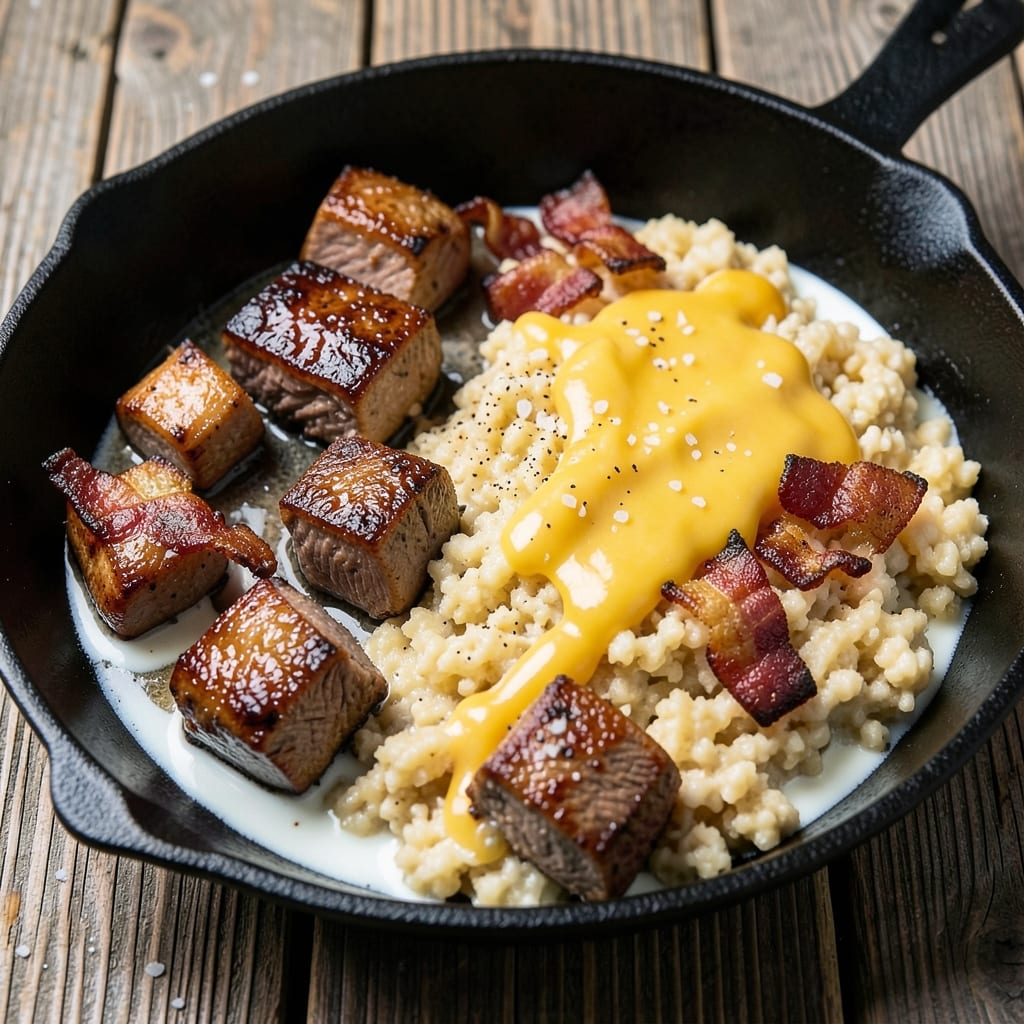
This beef and grits recipe delivers the perfect marriage of smoky, crispy beef and velvety cheese grits that taste like a Southern classic. The secret lies in slow-cooked beef with deep, caramelized flavors and stone-ground grits cooked in rich bacon fat until creamy. Every bite balances hearty beef with that comforting, cheesy grits texture that makes this dish a comfort food staple.
What sets this recipe apart is the smoky paprika crust on the beef, achieved through careful browning and a touch of smoked paprika. Meanwhile, the grits get their signature creaminess from sharp cheddar and a splash of buttermilk, creating that signature Southern richness. This method ensures tender beef that practically melts in your mouth while the grits stay perfectly creamy—not too thick, not too thin.
The result is a dish that’s restaurant-quality at home, with layers of flavor from the beef’s crust to the cheesy grits underneath. The combination of slow-cooked beef and perfectly textured grits makes this more than just a meal—it’s an experience. Whether you’re serving it for a cozy family dinner or a special occasion, this beef and grits recipe delivers every time.
Serve it with a side of crispy hash browns or a simple green salad to round out the meal. The leftovers reheat beautifully, making it a great make-ahead option for busy weeknights. Here’s how to bring this Southern classic to your table with minimal fuss and maximum flavor.
Ingredients for beef and grits
Fourteen ingredients transform into a Southern classic with smoky beef and velvety grits.
| Ingredient | Amount | Notes |
|---|---|---|
| Chuck Roast Beef 🥩 | 1 ½ lb | Cut into 1-inch cubes |
| Stone-Ground Grits 🍚 | 1 cup | Uncooked, coarse texture |
| Sharp Cheddar Cheese 🧀 | 1 cup | Shredded, aged variety |
| Buttermilk 🥛 | 1 cup | Full-fat preferred |
| Bacon Fat 🥓 | ½ cup | Or substitute bacon |
| Smoked Paprika 🌶️ | 1 tbsp | For smoky crust |
| Garlic Cloves 🧄 | 4 cloves | Minced for depth |
| Yellow Onion 🧅 | 1 whole | Diced, medium size |
| Salt 🧂 | 1 ½ tsp | Kosher or sea salt |
| Black Pepper 🌶️ | ½ tsp | Freshly ground |
| Bay Leaves 🌿 | 2 whole | For aromatic depth |
| Beef Broth 💧 | 2 cups | Low-sodium preferred |
| Butter 🧈 | 2 tbsp | Unsalted, for richness |
| Fresh Parsley 🌿 | ¼ cup | Chopped, for garnish |
The chuck roast is key—its marbling keeps the beef tender during slow cooking. Look for well-marbled cuts at Whole Foods or your local butcher shop, where they can trim excess fat for you. Stone-ground grits are non-negotiable; they have that signature gritty texture that regular grits can't match. Bob's Red Mill is a reliable brand, but any coarse stone-ground grits will work. For the bacon fat, render your own from thick-cut bacon or grab a jar of the good stuff from the refrigerated section at Kroger. If you're using bacon instead, render it until crispy and strain out the bits.
No smoked paprika? Substitute a pinch of liquid smoke or extra cayenne for heat. Sharp cheddar is ideal, but Pecorino Romano or Gruyère add different depth. Short on buttermilk? Mix 1 cup milk with 1 tbsp vinegar or lemon juice and let it sit for 5 minutes. The beef broth can be swapped for chicken broth in a pinch, though it'll lose some richness. For the bay leaves, remove them before serving—they add flavor but shouldn't be eaten. The garlic and onion can be sautéed in bacon fat first to build flavor, or you can add them directly to the pot with the beef.
This dish reheats beautifully—just add a splash of water or broth to the grits to loosen them up. Store the beef and grits separately in airtight containers for up to 5 days in the fridge. The grits can be made ahead and reheated with extra butter or milk to restore creaminess. For freezing, portion the grits into single-serving containers—they'll keep for 3 months. The beef can be frozen separately for up to 4 months, though it's best reheated gently in a skillet with a little broth to restore moisture.
Why You'll Love This Recipe
- One-Pot Magic: I swear by this—just brown the beef, simmer the grits right in the same pot, and let the bacon fat work its savory magic. No extra pans, no fuss, and honestly? That’s my kind of cooking.
- Smoky Cheesy Bliss: The sharp cheddar melts into the grits like a hug, while the chuck roast stays tender and rich. Between us, that buttermilk finish? It’s the secret weapon—creamy, tangy, and impossible to resist.
- Weeknight to Weekend: Make a big batch on Sunday, and you’ve got breakfast-for-dinner covered all week. Freeze leftovers or serve it at brunch—trust me, it’s just as good cold as it is hot.
- Budget-Friendly Feast: Chuck roast stretches far, grits fill you up, and bacon fat adds depth without breaking the bank. I’ll be real: this feeds four for under $15, and everyone leaves happy.
Step-by-step instructions for smoky paprika beef and grits
Here's how to create a rich, velvety dish where tender beef meets perfectly creamy grits.
Sear the Beef for Deep Flavor
Heat the 0.5 cup bacon fat in a large Dutch oven over medium-high heat until shimmering. Add the 1.5 lb chuck roast beef cut into 1-inch cubes in a single layer, being careful not to overcrowd. Let each piece sear undisturbed for 3-4 minutes until developing a deep brown crust.
This initial searing creates the Maillard reaction that builds complex flavors. Stir occasionally, working in batches if needed, until all beef is evenly browned. Remove the beef and set aside on a plate. You'll notice the fat will begin to smoke slightly—this is perfect. If it burns before all beef is seared, reduce heat slightly but maintain that fat shimmer.
Build the Smoky Base
In the same Dutch oven, reduce heat to medium and add the 1 whole yellow onion and 4 cloves garlic cloves that have been minced. Cook for 5-6 minutes until the onions soften and the garlic becomes fragrant, stirring occasionally to prevent burning.
Add the 1 tbsp smoked paprika, 1.5 tsp salt, and 0.5 tsp black pepper, stirring constantly for 30 seconds to toast the spices and release their aromatic oils. Here's where that smoky depth comes from—don't skip this step. The spices should coat the onions evenly and develop a slightly darker color.
Simmer the Beef in Flavorful Broth
Return the seared beef to the Dutch oven along with the 2 cups beef broth and 2 whole bay leaves. Bring to a gentle boil, then reduce heat to low and cover partially. Let the beef simmer for 1.5-2 hours until fork-tender, stirring occasionally to prevent sticking. The beef should be so tender it falls apart easily when pierced with a fork.
During the last 30 minutes of cooking, check the liquid level occasionally. If it reduces too much, add 2-4 tablespoons of water to maintain enough liquid for the grits. You want the beef to be fully submerged in flavorful liquid, not dried out.
Cook the Creamy Grits
While the beef simmers, prepare the grits by bringing 4 cups water to a boil in a separate pot. Gradually whisk in the 1 cup stone-ground grits and reduce heat to low. Cook for 20-25 minutes, stirring frequently with a wooden spoon, until the grits reach a creamy consistency that coats the back of the spoon.
Remove from heat and stir in the 1 cup buttermilk and 1 cup sharp cheddar cheese until smooth and velvety. The mixture should be thick but still coat the spoon easily. If it's too thick, whisk in 1-2 tablespoons of the beef cooking liquid to achieve the perfect creamy texture.
Combine and Finish
Once the beef is tender, use a slotted spoon to transfer it to a serving platter, leaving the cooking liquid in the Dutch oven. Stir the 2 tbsp butter into the beef broth until melted and smooth. Taste and adjust seasoning if needed—this is your final chance to balance the flavors.
To serve, divide the creamy grits among bowls and top each portion with the beef and its flavorful cooking liquid. Garnish with 0.25 cup chopped fresh parsley for a pop of color and freshness. The result should be rich, creamy grits perfectly complemented by tender, smoky beef in every bite.
Pro Tips For Making Beef And Grits
- Sear the Chuck Twice: I learned this the hard way—skipping the second sear means your chuck roast stays tough as boot leather. After browning it the first time, let it cool slightly (10 minutes), then hit it again with a hot pan and a splash of buttermilk. The second sear locks in flavor and keeps the meat juicy when it slows.
- Use Bacon Fat Like a Boss: Don’t waste that rendered bacon fat—it’s the real MVP here. Cook your grits in it instead of water or milk, and save the leftover fat for crisping the bacon (if you’re using it) or finishing the beef. Sounds weird, but it works: the grits get a smoky depth, and the beef stays moist longer.
- Don’t Overstir the Grits: I used to think grits needed constant stirring, but that’s how you get glue. Stone-ground grits thicken fast—once they’re bubbling, stir once, then let them sit. If they’re too thick, add a splash of buttermilk (yes, even if you’ve already mixed it in). Patience here makes all the difference.
- Salt the Beef Early and Often: Chuck roast needs time to tenderize, and salt is your secret weapon. Season it generously the night before, then again before searing. I know, I know—it’s a lot of salt, but trust the process. The meat stays juicy, and the bacon fat crisps up better because the salt draws out moisture (which you’ll render out anyway).
Creative variations of beef and grits
Spicy Cajun Twist
Transform your grits into a fiery Cajun-inspired side by adding 1 tbsp Cajun seasoning (like Tony Chachere's) directly to the cooking water. Stir in ½ tsp cayenne pepper with the buttermilk for extra heat. Top with 2 slices of andouille sausage, sliced into rounds, and serve with a side of pickled jalapeños. The smoky paprika beef pairs beautifully with this spicy kick, creating a Louisiana-inspired fusion dish. 🌶️
Breakfast Beef & Grits
Turn this into a brunch star by adding 2 fried eggs on top of each serving and sprinkling with ¼ cup crumbled bacon. For extra richness, stir 2 tbsp sour cream into the grits before serving. Serve with a side of crispy hash browns and hot sauce for dipping. This version is perfect for weekend mornings and keeps everyone full for hours. 🍳
Cheesy Grits Upgrade
Elevate your grits with a blend of cheeses: mix ½ cup sharp cheddar with ½ cup pepper jack and ¼ cup cream cheese for a creamy, slightly spicy twist. Fold in 2 tbsp chives for freshness. This version is extra indulgent and pairs wonderfully with the smoky beef. For a vegan option, use nutritional yeast and cashew cream instead of dairy. 🧀
Smoked Brisket Fusion
Replace the chuck roast with 1 lb smoked brisket, sliced thinly against the grain. Cook the brisket in the Dutch oven for just 10-15 minutes over medium heat to warm through, then shred slightly for texture. The smoky flavor from the brisket enhances the paprika crust, creating a deeper, more complex dish. Serve with extra hot sauce on the side for those who love heat. 🔥
Herbed Grits Variation
Infuse your grits with fresh herbs by stirring in 1 tbsp chopped thyme, 1 tbsp chopped rosemary, and 1 tbsp chopped chives along with the buttermilk. The herbs add a bright, aromatic note that cuts through the richness of the beef. Pair this with a side of roasted asparagus for a lighter, more elegant meal. 🌿
Sweet & Smoky Maple Grits
Add a touch of sweetness by stirring 2 tbsp pure maple syrup into the grits along with the buttermilk. The maple complements the smoky paprika beautifully, creating a unique sweet-and-savory balance. Top with a sprinkle of crushed pecans for crunch. This version works surprisingly well with the rich beef and adds a Southern-inspired twist. 🍁
Nutrition facts
Frequently asked questions
Why does stone-ground grits taste different from regular grits?
Stone-ground grits have a coarser texture and more pronounced corn flavor because they're made by grinding whole corn kernels with granite stones. Regular grits are smoother and milder since they're processed differently. For authentic Southern flavor, stone-ground grits are essential—they create that signature gritty texture that makes this dish special.
Can I make this recipe without bacon fat?
Use olive oil or butter instead, but bacon fat adds that unmistakable smoky depth. For a similar flavor, render bacon until crispy, strain out the fat, and use that. If you're vegetarian, substitute with vegetable oil and add a pinch of smoked salt for that bacon-like taste.
How do I fix grits that are too thick or too thin?
For thick grits, whisk in 1-2 tablespoons of warm water or beef broth until smooth. For thin grits, remove from heat and stir in 1 tablespoon of cornstarch mixed with 2 tablespoons cold water, then cook for 2 more minutes. The key is consistency—aim for a texture that coats the back of a spoon but isn't gluey.
What's the best cut of beef for this recipe?
Chuck roast is ideal because its fat content keeps the meat tender during slow cooking. Brisket or short ribs also work well—they add even more richness. Avoid lean cuts like sirloin, as they can dry out. If using pre-cut beef, ask your butcher to cut it into 1-inch cubes for even cooking.
Can I make this dish ahead of time?
Yes! Cook the beef and grits separately, then refrigerate in airtight containers for up to 5 days. To reheat, warm the beef in a skillet with a splash of broth, then microwave the grits in 30-second intervals, stirring between each, and adding a splash of milk or water to restore creaminess. The flavors actually improve overnight!