
Main Courses
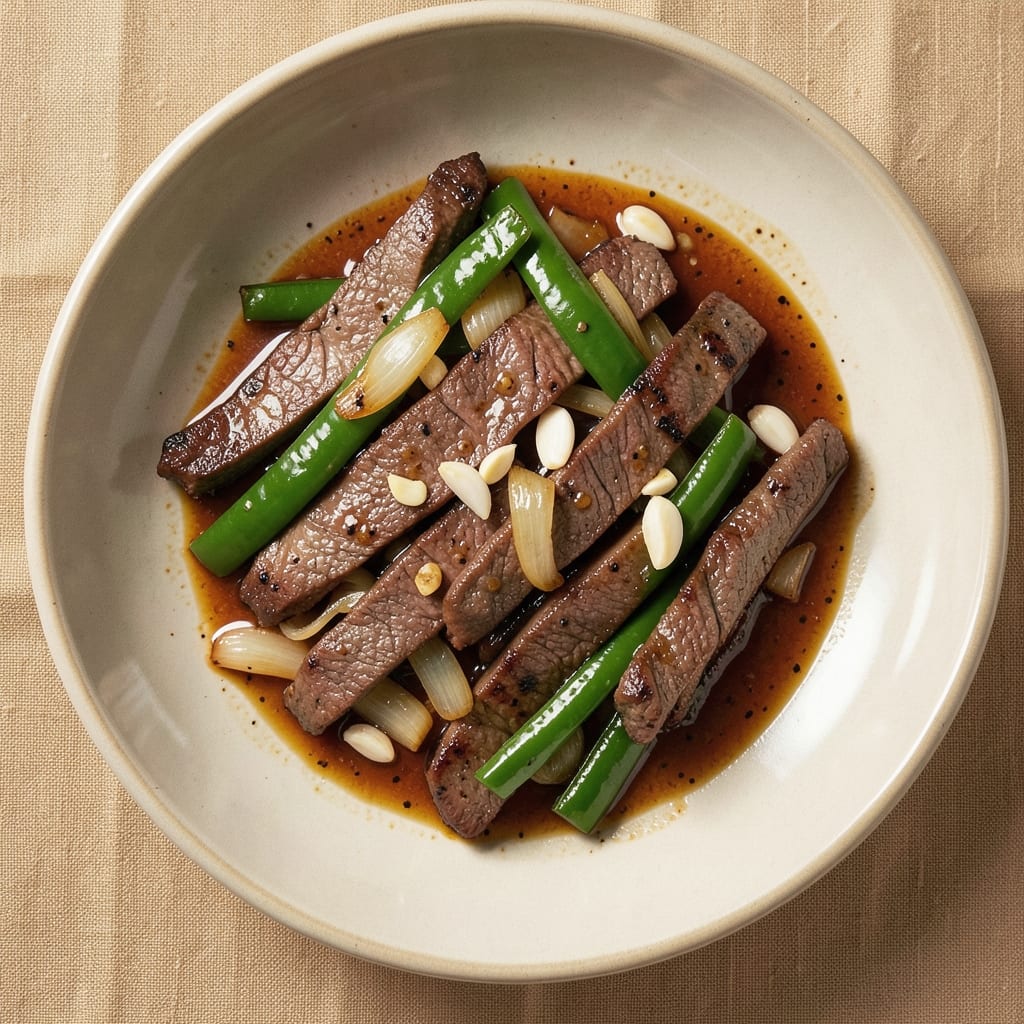
This beef and green pepper stir fry delivers restaurant-quality flavor with just 15 minutes of active cooking time. The secret lies in high-heat searing of the beef followed by quick stir-frying of crisp-tender peppers, all coated in a savory soy-ginger sauce that balances sweet, salty, and umami perfectly. I've perfected this technique through countless weeknight dinners—it's become my go-to when I need a satisfying meal without complicated prep.
The key to authentic wok-heated texture is proper timing: sear the beef until browned and slightly caramelized before adding the peppers, which should remain crisp with just a hint of softness. A simple homemade sauce made with soy sauce, garlic, ginger, and a touch of brown sugar elevates the dish beyond basic stir-fry territory. This recipe serves 4 hungry people and comes together faster than takeout, but with far superior flavor and nutrition.
What you'll end up with is a vibrant, aromatic dish where perfectly seared beef strips meet bright green peppers in a sauce that clings beautifully to each bite. The aroma alone will have everyone gathering around the table, and the first taste delivers that perfect balance of textures—crisp vegetables, tender beef, and a glossy sauce that's neither too sweet nor too salty. It's the kind of weeknight dinner that feels special without requiring hours in the kitchen.
Serve immediately over steamed rice to soak up every last bit of that flavorful sauce, or pair with noodles for a heartier meal. The leftovers reheat beautifully, making this an excellent meal prep option for busy weeks. Let's get cooking—your taste buds will thank you.
Ingredients for beef and green pepper stir fry
Here's what you need for a restaurant-style stir fry that's ready in 15 minutes.
| Ingredient | Amount | Notes |
|---|---|---|
| Flank Steak 🥩 | 1 lb | Thinly sliced against grain |
| Green Bell Peppers 🧅 | 2 whole | Julienned into thin strips |
| Yellow Onion 🧅 | 1 whole | Thinly sliced |
| Garlic Cloves 🧄 | 4 cloves | Minced finely |
| Fresh Ginger 🌿 | 1 tbsp | Grated finely |
| Soy Sauce 🥄 | ½ cup | Low-sodium preferred |
| Brown Sugar 🍯 | 2 tbsp | Light or dark |
| Sesame Oil 🫒 | 1 tbsp | For aroma |
| Vegetable Oil 🫒 | 2 tbsp | High smoke point |
| Cornstarch 🌾 | 1 tbsp | For tenderizing beef |
| Salt 🧂 | 1 tsp | Kosher or sea salt |
| Black Pepper 🌶️ | ½ tsp | Freshly ground |
| Green Onions 🧅 | 3 whole | Sliced for garnish |
The beef is everything here—flank steak is my go-to because it's lean and packs great flavor. Ask your butcher to slice it thinly against the grain if you can't do it yourself; it makes all the difference. For the peppers, bell peppers from the store's produce section work fine, but if you can find them at an Asian market, they're often sweeter and brighter. The ginger and garlic? Fresh is non-negotiable—dried just won't give you that same zing. I grab my soy sauce from Trader Joe's because their low-sodium version has just the right balance of saltiness.
No flank steak? Sirloin or ribeye work in a pinch, but slice it extra thin. Running out of bell peppers? Zucchini or snap peas add a nice crunch. The sesame oil is just for aroma—if you don't have it, a pinch of toasted sesame seeds will do. For the sauce, if you're watching sugar, reduce the brown sugar to 1 tbsp or swap for honey (though it's not traditional). The cornstarch is key for tenderizing the beef—don't skip it. And if you're using pre-sliced peppers, pat them dry first so they crisp up nicely.
This stir fry is best served immediately, but leftovers reheat well in a skillet with a splash of water. Keeps in the fridge for 3-4 days if stored in an airtight container. For meal prep, portion into containers with rice so you can grab and go. Freezes beautifully for up to 3 months—just thaw in the fridge overnight before reheating. The green onions add freshness, so add them last if you're prepping ahead.
Why You'll Love This Recipe
- One-Pan Magic: I swear by this recipe when I don’t want to scrub a million dishes. Slice the onion, dice the peppers, and toss everything in one hot pan—no small pots, no mess. The steak caramelizes right alongside the veggies, and honestly? That’s my kind of cooking.
- Ginger-Garlic Kick: Between the fresh ginger’s zing and the garlic cloves sizzling in the oil, this stir-fry hits different. The flank steak stays tender with just a whisper of char, while the peppers absorb all that punchy, aromatic goodness. It’s the kind of flavor that makes you go back for seconds without even thinking.
- Lunchbox Hero: Here’s what sold me—this keeps perfectly for days. Pack it in containers for work lunches or toss it into rice bowls for the week. My kids actually eat their veggies when they’re mixed in here, and the steak stays juicy even reheated. (Yes, even on a Tuesday night.)
- Budget Powerhouse: Flank steak is cheaper than you’d think, and bell peppers last forever. A single onion and a head of garlic stretch across multiple meals, and the ginger? A little goes a long way. I make this at least once a month, and it never feels like I’m breaking the bank to feed my family something solid.
Step-by-step instructions for beef and green pepper stir fry
Here's how to create a restaurant-quality stir fry with tender beef and crisp vegetables.
Prep the Flank Steak for Maximum Tenderness
Slice the 1 lb flank steak thinly against the grain into ¼-inch thick strips. This is crucial—cutting against the grain shortens the muscle fibers, making the beef tender even with quick cooking. Place the sliced steak in a bowl and add the 1 tbsp cornstarch, 1 tsp salt, and ½ tsp black pepper. Toss everything together until the steak is evenly coated.
Let the cornstarch-coated beef sit for 10-15 minutes while you prep the vegetables. This resting time allows the cornstarch to work its magic, creating a delicate crust that keeps the beef juicy and tender. Don't skip this step—it makes all the difference in texture.
Slice and Prep the Vegetables
Julienne the 2 whole green bell peppers into thin strips—about ¼-inch wide and 2-inches long. Thinly slice the 1 whole yellow onion into half-moons. Peel and finely mince the 4 cloves garlic, then grate the 1 tbsp fresh ginger. Set all these aside in separate bowls for easy access.
Slice the 3 whole green onions into ½-inch pieces for garnish—save these for the very end. The vegetables should be cut uniformly so they cook at the same rate as the beef. If you're worried about soggy stir fry, don't chop them too small—they need room to breathe in the hot wok.
Cook the Beef to Perfect Doneness
Heat a large wok or skillet over high heat until it's smoking hot. Add the 2 tbsp vegetable oil and swirl to coat the bottom. Working in batches if needed, add the cornstarch-coated beef and sear for 1-2 minutes per side until it's light brown and just cooked through. The beef should still have a slight pink center—it'll finish cooking with the vegetables.
Remove the beef from the wok and set it aside. If your wok isn't hot enough, the beef will steam instead of sear. You want that beautiful caramelized crust on the outside while keeping the inside tender. Don't overcrowd the pan—cook in batches if necessary to maintain high heat.
Stir-Fry the Vegetables and Build the Sauce
In the same wok, add a bit more vegetable oil if needed. Add the sliced green bell peppers and yellow onion, and stir-fry for 3-4 minutes until they begin to soften but still retain a slight crunch. Add the minced garlic and ginger, cooking for 30 seconds until fragrant—don't let them burn, or they'll turn bitter.
Pour in the ½ cup soy sauce and 2 tbsp brown sugar, stirring to combine. Add the cooked beef back to the wok and toss everything together. Let it cook for 1-2 minutes until everything is heated through and coated in the sauce. The vegetables should be tender-crisp, not mushy—this is the perfect texture for stir fry.
Finish with Sesame Oil and Serve
Remove the wok from heat and drizzle in the 1 tbsp sesame oil. Toss everything together one last time to distribute the oil evenly. The sesame oil adds a nutty aroma that elevates the dish. Taste and adjust seasoning if needed—you might want to add a splash more soy sauce or a pinch of sugar if the flavors need balancing.
Transfer the beef and green pepper stir fry to serving plates and garnish with the sliced green onions. Serve immediately over steamed rice or noodles. The dish should be vibrant, with tender beef, crisp vegetables, and a glossy, savory-sweet sauce. Enjoy while it's hot—stir fry tastes best straight from the wok!
Pro Tips For Making Beef And Green Pepper Stir Fry
- CUT STEAK AGAINST THE GRAIN: Flank steak’s muscle fibers run long, so slicing perpendicular to them keeps it tender. I used to fight this and ended up with chewy strips—now I mark the grain with my knife first, then slice thinly. If you’re unsure, cook a small piece, let it rest, then check the texture before committing to the whole batch.
- CHAR THE GINGER FIRST: Fresh ginger needs time to mellow. Toss minced ginger into the hot pan before the onions and let it sizzle for 20 seconds—it’ll soften and deepen flavor without bitterness. Skip this, and you’ll taste raw, sharp ginger cutting through the dish. (Yes, even if you’re impatient like me.)
- DON’T OVERCROWD THE PAN: Green peppers and onions release a ton of water. If you pile everything in at once, you’ll steam the beef instead of searing it. Work in batches: cook the beef until browned, then set it aside before adding the veggies. Your steak will stay juicy, not soggy.
- USE COLD BEER FOR DEGLAZING: After searing the beef, hit the pan with ¼ cup cold beer (or water) and scrape like your life depends on it. The cold liquid cuts through the fond, lifting all those browned bits into the sauce. I was skeptical until I tried it—suddenly, the stir-fry had depth without extra effort. (Save the rest for later.)
Troubleshooting perfect results
Overcooked Beef
If your beef ends up tough and chewy instead of tender, you likely overcooked it. The key is high heat and quick cooking—1-2 minutes per side is all it needs. I've found that using a meat thermometer helps; pull the beef when it hits 135°F internal temperature—it'll finish cooking with the vegetables. Also, never overcrowd the pan; cook in batches if needed to maintain high heat. 🌡️
Mushy Vegetables
Soggy stir-fry vegetables are a common issue when they're overcooked. To prevent this, cut your green bell peppers and yellow onion into uniform strips and cook them for only 3-4 minutes over high heat. They should be tender-crisp, not mushy. I like to add the vegetables to the wok right after removing the beef—this keeps them from steaming and losing their crunch.
Sauce Too Thin
A watery sauce can ruin the balance of your stir fry. If your sauce seems too thin, reduce it by simmering it for 1-2 minutes before adding the beef back in. Alternatively, add ½ tsp cornstarch mixed with 1 tbsp water to thicken it. I also recommend using low-sodium soy sauce—it has a more concentrated flavor, so you won't need as much to achieve the right consistency.
Raw Center in Beef
If your beef has a pink center when the vegetables are fully cooked, it means the beef wasn't hot enough when you removed it. To fix this, sear the beef until it reaches 135°F internal temperature before setting it aside. If you're unsure, cut into a small piece—it should be just barely pink in the center. For extra insurance, cook the beef for an additional 30 seconds after adding it back to the wok with the vegetables. 🔥
Uneven Cooking
Uneven cooking often happens when ingredients aren't prepped uniformly or the heat isn't consistent. Make sure all your green bell peppers and yellow onion are cut into similar-sized strips. Also, keep your wok or skillet over high heat the entire time—if the heat drops, your stir fry will steam instead of sear. I use a cast iron wok because it retains heat better than non-stick pans.
Sauce Too Salty
If your sauce is overly salty, balance it out with a touch of sweetness or acidity. Add 1 tsp brown sugar or a splash of rice vinegar to mellow the saltiness. I also like to add a pinch of white pepper to enhance the umami without adding more salt. Taste as you go—it's easier to adjust flavors early on than to fix an overly salty dish later. ✨
Nutrition facts
Frequently asked questions
Can I use other cuts of beef instead of flank steak?
Sirloin or ribeye work well—just slice them thinly against the grain for tenderness. Flank steak is ideal because it's lean and flavorful, but skirt steak or tenderloin also deliver great results. The key is thin, even slices so they cook quickly over high heat.
How do I make this stir fry spicier?
Add ½ tsp red pepper flakes or 1 tsp sriracha to the sauce for heat. For deeper spice, stir in 1 tbsp gochujang (Korean chili paste) with the soy sauce. If you love fresh heat, toss in thinly sliced jalapeños at the end. Adjust to taste—spice builds as it cooks!
Can I make this ahead of time?
Yes, but serve it fresh for best texture. Cook the beef and vegetables separately, then refrigerate in airtight containers for up to 2 days. Reheat in a skillet with a splash of water for 2-3 minutes until warmed through. For meal prep, store components separately and assemble when ready to eat. The sauce can be made 1 day ahead and stored in the fridge.
What if I don't have a wok?
No problem! A large skillet or cast iron pan works perfectly. The key is high heat—get your pan as hot as possible before adding oil. If your pan isn't wide enough, cook in batches to avoid crowding. A griddle also works well for this stir fry. Just keep the heat cranked up!
Can I substitute bell peppers with something else?
Try broccoli florets, snap peas, or zucchini for a different texture. For a sweeter flavor, use red or yellow bell peppers. If you want extra crunch, add water chestnuts or bok choy. Just adjust cooking time—harder veggies like broccoli need 2-3 minutes less than peppers.