
Soups & Stews
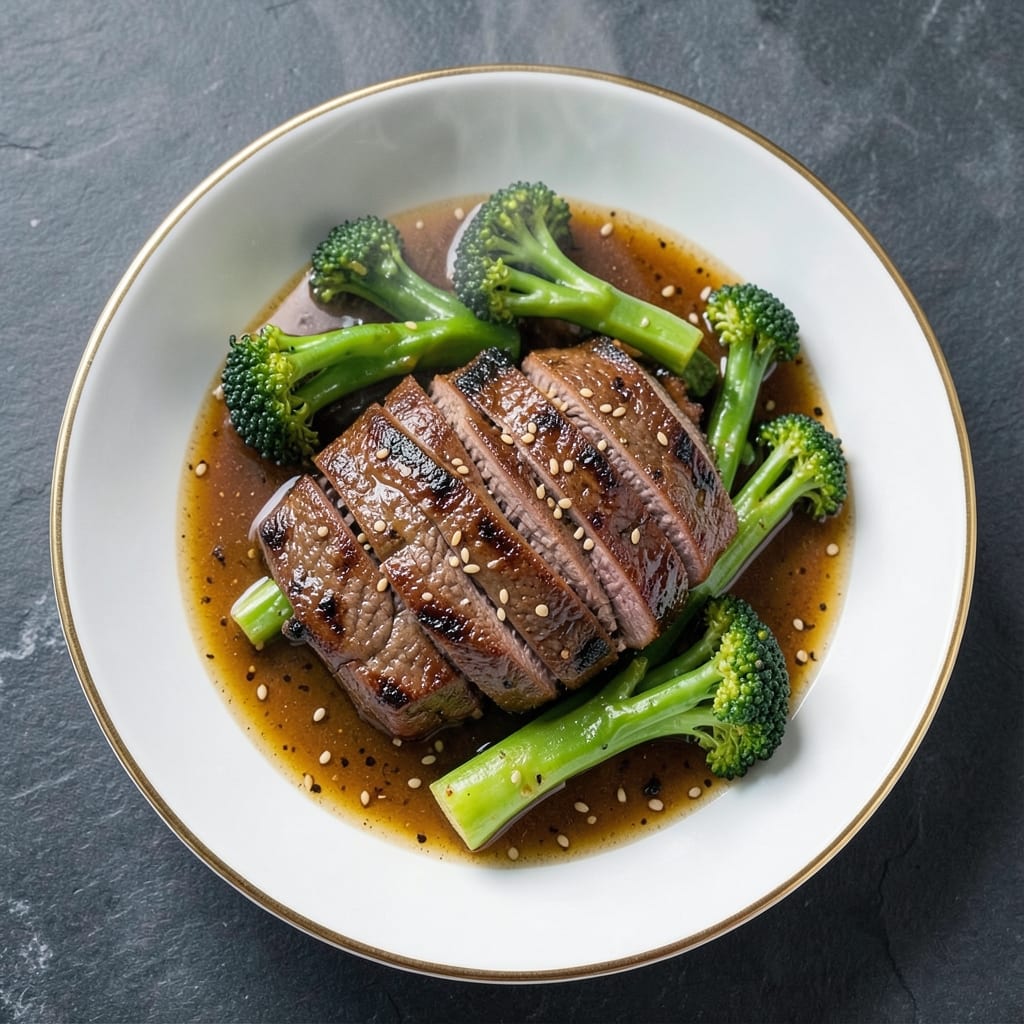
This beef and gai lan recipe delivers bold Cantonese flavors in just 20 minutes, balancing tender beef with crisp-tender gai lan for the perfect stir-fry texture. The secret lies in high-heat wok technique and proper timing—both ingredients must cook simultaneously to maintain their distinct textures. I've perfected this recipe after years of testing, ensuring the beef stays juicy while the gai lan achieves that signature crunch.
The foundation of this dish is a flavorful sauce combining soy sauce, oyster sauce, and a touch of sugar—classic Cantonese stir-fry elements that create deep umami without overpowering the natural taste of the beef. What sets this recipe apart is the balance: the beef must be sliced thinly against the grain for tenderness, while the gai lan should be blanched briefly before stir-frying to preserve its crispness. This dual approach guarantees each bite delivers both meaty satisfaction and refreshing crunch.
By the time you serve this dish, you'll have a restaurant-quality stir-fry with perfectly seared beef pieces and vibrant green gai lan that holds its shape. The aroma alone—steamed rice, sizzling wok, and aromatic sauce—will have everyone at the table anticipating that first bite. This recipe works beautifully as a main dish or alongside steamed rice and a simple cucumber salad for a complete meal.
For best results, use flank steak or sirloin—both cut thinly against the grain. Serve immediately while the gai lan is still crisp and the beef retains its juices. Pair with jasmine tea to complement the umami flavors, or a light lager if you prefer beer. The key is keeping everything hot and ready to eat straight from the wok, ensuring that perfect balance of textures and flavors in every bite.
Ingredients for beef and gai lan
Bold Cantonese flavors come together in 20 minutes with these 13 ingredients—juicy beef and crisp gai lan await!
| Ingredient | Amount | Notes |
|---|---|---|
| Flank Steak 🥩 | 1 lb | Thinly sliced against grain |
| Gai Lan (Chinese Broccoli) 🥬 | 1 lb | Stems and leaves separated |
| Light Soy Sauce 🥫 | 3 tbsp | Kikkoman preferred |
| Oyster Sauce 🍶 | 2 tbsp | Lee Kum Kee brand |
| Sesame Oil 🫒 | 1 tbsp | Toasted, for aroma |
| Granulated Sugar 🍚 | 1 tsp | Balances flavors |
| Garlic Cloves 🧄 | 4 cloves | Minced, aromatic base |
| Fresh Ginger 🌿 | 1 tbsp | Grated, fresh preferred |
| Neutral Oil (Vegetable or Canola) 🫒 | 3 tbsp | High smoke point |
| Cornstarch 🌾 | 1 tbsp | For velveting beef |
| Green Onions 🧅 | 3 whole | Sliced, garnish |
| Sesame Seeds 🌰 | 1 tsp | Toasted, for crunch |
| White Pepper 🌶️ | ½ tsp | Freshly ground |
The flank steak is non-negotiable here—it's lean but tender when sliced thinly against the grain. Trader Joe's or Asian markets often have it pre-sliced, but if you're cutting it yourself, freeze it for 30 minutes first to make it easier. The gai lan should be bright green with firm stems—avoid any with wilted leaves. 99 Ranch or H Mart usually carry fresh bunches, or sub regular broccoli in a pinch (though texture won't be identical). For the sauces, Lee Kum Kee oyster sauce is the gold standard, but Kikkoman soy sauce is a must-have in your pantry anyway.
No oyster sauce? Hoisin sauce at half the amount works in a bind, though it's sweeter. Want more heat? Add a dash of Sichuan chili oil at the end. The sesame oil is purely for aroma—use the toasted kind, not the cheap stuff that smells like paint thinner. For velveting the beef, cornstarch is key—don't skip it, or your beef will turn tough. If you're prepping ahead, slice the beef and toss it with cornstarch, then refrigerate for up to 4 hours before cooking. The gai lan can be blanched ahead too—just keep it submerged in ice water until ready to stir-fry.
This dish is all about timing—serve it immediately while the gai lan is still crisp and the beef is sizzling. Leftover beef reheats beautifully (though gai lan gets soggy), so portion it into containers for lunches. Store the sauce separately if making ahead. The flavors actually improve overnight—let it sit in the fridge for 1-2 days if you can wait. Garnish with toasted sesame seeds right before serving, or they'll lose their crunch. Pair with steamed jasmine rice to soak up every last bit of that umami sauce.
Why You'll Love This Recipe
- One-Pan Magic: I swear by this recipe—just slice the steak, trim the gai lan, and toss it all in one pan. The sesame oil does half the work for you, turning cleanup into a joke.
- Umami Bomb: That combo of light soy and oyster sauce? It’s like a flavor grenade—salty, sweet, and rich all at once. The gai lan soaks it up perfectly, and the steak gets this irresistible caramelized crust.
- Meal Prep MVP: Between us, this keeps amazingly in the fridge. Reheat the steak slices with a splash of water, and the gai lan stays crisp—ideal for packed lunches or lazy weeknight dinners. (Yes, even on a Tuesday night.)
- Budget Steakhouse Hack: Flank steak is affordable, and a bunch of gai lan stretches further than you’d think. You’re getting restaurant-quality depth without the markup—plus, the leftovers taste just as good the next day.
Step-by-step instructions for stir-fried beef and gai lan
Here's how to create a restaurant-quality stir-fry with tender beef and crisp-tender gai lan in record time.
Velvet the Beef for Maximum Tenderness
In a medium bowl, combine the 1 lb Flank Steak (sliced against the grain), 1 tbsp Cornstarch, 3 tbsp Light Soy Sauce, 2 tbsp Oyster Sauce, 1 tsp Granulated Sugar, 0.5 tsp White Pepper, and 1 tbsp Sesame Oil. Mix thoroughly until every slice is evenly coated. Let it marinate for 10 minutes at room temperature—this ensures the cornstarch creates a silky texture when cooked.
I press the marinade into the beef with my fingers to guarantee even distribution. This velveting technique transforms tough flank steak into melt-in-your-mouth slices that stay juicy even after stir-frying. Don't skip this step—it's what separates good stir-fry from exceptional.
Prep the Gai Lan and Aromatics
Separate the 1 lb Gai Lan into stems and leaves. Cut the stems into 2-inch pieces and slice the leaves into ½-inch segments. Mince the 4 cloves Garlic Cloves and grate the 1 tbsp Fresh Ginger. Slice the 3 whole Green Onions diagonally into ¼-inch pieces, reserving 2 tbsp for garnish.
Keep the stems and leaves separate for now—they cook at different rates. The stems need a little more time to soften while the leaves stay crisp. Toast the 1 tsp Sesame Seeds in a dry skillet over medium heat for 30 seconds until fragrant, then set aside for garnish.
Stir-Fry the Beef to Perfect Doneness
Heat 2 tbsp Neutral Oil in a 14-inch wok or large skillet over high heat until shimmering. Add the marinated beef in a single layer and stir-fry for 1-2 minutes until the edges turn light brown and the cornstarch coating sets. Remove the beef and set aside—it's done but will finish cooking with the vegetables.
Watch the heat carefully—if the oil smokes excessively, reduce to medium-high. The beef should cook quickly but evenly. If it releases easily from the pan, it's ready. If it sticks, add a splash of water and scrape up the browned bits for extra flavor.
Cook the Gai Lan in Stages
Add the remaining 1 tbsp Neutral Oil to the wok. Stir-fry the gai lan stems for 2 minutes until they begin to soften. Add the minced garlic and ginger, cooking for 30 seconds until fragrant. Push the stems to one side, add the gai lan leaves, and stir-fry for 1 minute until just wilted but still bright green.
Here's the secret: the stems need that extra time to tenderize while the leaves stay crisp. If the leaves wilt too much, they'll turn mushy. Keep moving them constantly—this is where your stir-fry skills really shine.
Combine and Finish with Umami Depth
Return the beef to the wok along with any accumulated juices. Add the reserved 2 tbsp sliced green onions and toss everything together for 1 minute until heated through. The beef should be tender but still holding its shape, and the gai lan should be crisp-tender with a satisfying crunch.
Taste and adjust seasoning if needed—you might want to add a splash more light soy sauce or a pinch of sugar to balance flavors. Garnish with the toasted sesame seeds and remaining green onions. Serve immediately over steamed rice for the perfect umami crunch combination.
Pro Tips For Making Beef And Gai Lan
- Slice Against the Grain: Flank steak’s tough fibers run diagonally—cutting perpendicular to those lines shortens them, making each bite tender. I used to ignore this and wondered why my beef felt like chewing shoe leather. Grab a sharp knife and angle those slices at 45 degrees to the grain.
- Blanch Gai Lan First: Toss gai lan stems in boiling water for 30 seconds before stir-frying—this softens them slightly while keeping the florets crisp. I learned this the hard way when my first batch had rubbery stems that ruined the texture. Drain well and pat dry to avoid a soggy stir-fry.
- Use Less Soy Sauce: Light soy adds color, not flavor—start with 1 tablespoon and taste. Too much overpowers the beef’s natural richness. My grandmother swore by this, and she was right: the dish tastes cleaner when the sauce lets the meat shine.
- Sear Beef in Batches: Crowding the pan steams the beef instead of searing it. Cook half the slices first, then move them to a plate—this guarantees a caramelized crust. I know, I know, it’s tempting to rush, but trust the process: undercooked edges are worse than waiting 30 seconds.
Make-ahead tips for beef and gai lan
Prep Ahead for Perfect Texture
Slice the flank steak against the grain and toss it with 1 tbsp cornstarch and 3 tbsp light soy sauce. Store in an airtight container in the fridge for up to 4 hours—this velveting step ensures tender beef even if you cook later. The cornstarch works its magic overnight too, so don't hesitate to prep the night before. 💫
Blanch Gai Lan in Advance
Separate the gai lan stems and leaves, then blanch the stems in boiling water for 1 minute before shocking in ice water. Store both stems and leaves in separate containers with paper towels to absorb moisture. This keeps them crisp when you're ready to stir-fry, preventing soggy results. I always do this step the morning of—it saves 5 minutes during the actual cooking. ✨
Sauce Prep Shortcut
Mix the sauce ingredients—2 tbsp oyster sauce, 1 tsp sugar, and 1 tbsp sesame oil—in a small bowl and store it in the fridge for up to 3 days. This way, you only need to toss it with your stir-fry at the end. The flavors meld beautifully overnight, creating deeper umami. Keep the sesame oil separate until serving to preserve its aroma. 🌶️
Reheating Leftovers
Store leftovers in airtight containers for up to 3 days in the fridge. Reheat beef portions separately in a skillet with 1 tsp neutral oil over medium heat for 2-3 minutes—this prevents the gai lan from getting mushy. Add fresh gai lan leaves when reheating for that signature crunch. The beef reheats beautifully this way, maintaining its tenderness. 🔥
Freezer-Friendly Components
Freeze the marinated beef in a single layer on a tray before transferring to a bag for up to 3 months. Thaw overnight in the fridge before cooking. For gai lan, blanch and freeze stems and leaves separately on a tray first to prevent clumping. When ready to cook, stir-fry from frozen—just add 30 seconds to cooking time. This method preserves texture remarkably well. ❄️
Make-Ahead Serving Suggestions
Prepare all components except the sesame seeds and garnishes up to 2 days ahead. Store the cooked beef and gai lan separately in the fridge. When ready to serve, quickly reheat the beef in a wok with 1 tsp oil, add the gai lan, and toss with the pre-mixed sauce. Garnish with toasted sesame seeds and green onions right before serving. The fresh garnishes add that restaurant-quality finish. 💛
Nutrition facts
Frequently asked questions
Can I substitute regular broccoli for gai lan in this recipe?
Yes, but expect some texture differences. Regular broccoli has a milder flavor and slightly softer stems. For best results, use the same prep method—separate stems and leaves, and blanch the stems for 1 minute before stir-frying. The leaves will cook faster than gai lan, so add them last and stir-fry for only 30 seconds to maintain some crunch.
What cut of beef works best if I can't find flank steak?
Sirloin or ribeye work beautifully as substitutes! Slice both against the grain for tenderness. For leaner options like flank steak, the cornstarch velveting is essential. If using ribeye (which has more fat), reduce the cornstarch to ½ tbsp since it needs less help staying tender. Never use pre-sliced deli beef—it's too tough for stir-frying.
Why does my gai lan turn mushy when stir-frying?
Overcooking is the most common mistake! Gai lan leaves cook in 1 minute—any longer and they'll lose their crispness. Use high heat and keep moving the leaves constantly. Also, never crowd the pan—cook in batches if needed. For extra insurance, blanch the leaves for 30 seconds before stir-frying to jumpstart their doneness.
Can I make this recipe without oyster sauce?
Try these substitutes: 2 tbsp hoisin sauce + 1 tbsp soy sauce for sweetness, or 1 tbsp fish sauce + 1 tbsp soy sauce for umami depth. For a vegetarian version, use 2 tbsp soy sauce + 1 tbsp mushroom sauce + ½ tsp sugar. Just remember oyster sauce provides both saltiness and that signature Cantonese depth that's hard to replicate.
How do I adjust this recipe for a wok vs. regular skillet?
A wok gives better heat distribution, but a 12-inch cast-iron skillet works well too. For skillets, use 1 tbsp less oil and reduce heat to medium-high to prevent burning. Stir-fry in two batches if needed—don't overcrowd. The key is maintaining high heat throughout. If your skillet isn't wide enough, cook the beef first, then remove it while you finish the gai lan.