
Soups & Stews
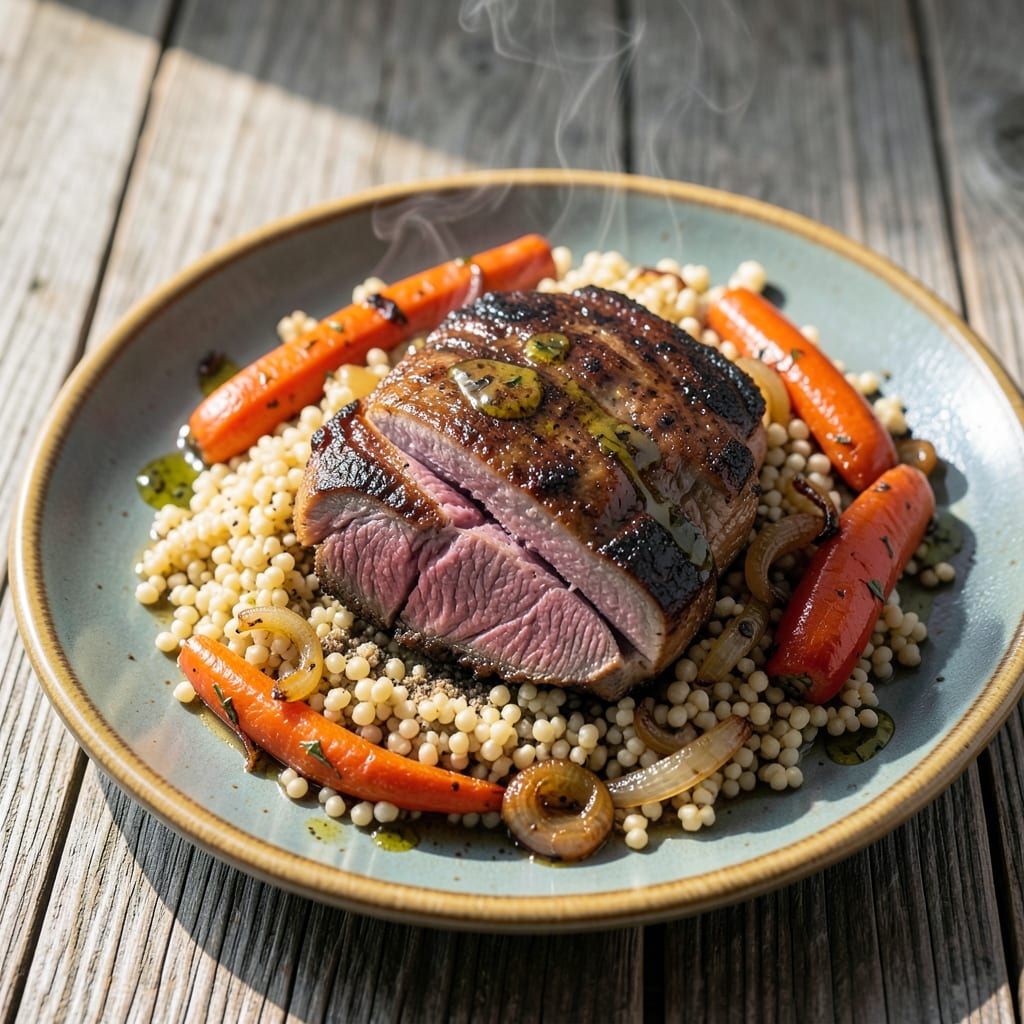
This beef and bulgur recipe transforms simple ingredients into a hearty Middle Eastern stew that balances tender beef with chewy bulgur grains. The secret lies in slow-cooked beef that melts into the broth while toasted bulgur absorbs rich flavors, creating a dish that's both comforting and deeply satisfying. I developed this recipe after years of experimenting with traditional methods, ensuring every bite delivers authentic taste without complicated techniques.
The process begins with searing beef chunks to develop deep, caramelized flavors before simmering them in aromatic spices and broth. Meanwhile, bulgur toasts in the same pot, releasing nutty aromas that form the stew's foundation. This method eliminates soaking time while creating grains that hold their shape beautifully. The result is a restaurant-quality stew that's rich, savory, and perfectly balanced between tender meat and hearty grains.
What makes this dish truly special is its versatility—serve it as a standalone meal with crusty bread or transform it into a refreshing salad by chilling and topping with fresh herbs. The flavors deepen as it sits, making it ideal for meal prep. Each spoonful delivers layers of spice, umami, and texture that transform ordinary weeknights into memorable dining experiences.
Perfect for family dinners or special occasions, this recipe delivers authentic Middle Eastern flavors with minimal effort. The beef becomes fork-tender while the bulgur maintains its satisfying chew, creating a harmony that's both traditional and approachable. Let's create this comforting, flavorful stew that will become a staple in your recipe collection.
Ingredients for beef and bulgur
Authentic Middle Eastern flavors begin with these carefully chosen ingredients for a stew that delivers restaurant-quality depth.
| Ingredient | Amount | Notes |
|---|---|---|
| Chuck Roast 🥩 | 1 ½ lb | Trimmed of excess fat |
| Fine Bulgur Wheat 🌾 | 1 cup | Toasted in oil first |
| Yellow Onion 🧅 | 1 whole | Medium size, sliced |
| Carrots 🥕 | 2 medium | Peeled and chopped |
| Garlic Cloves 🧄 | 4 cloves | Freshly minced |
| Ground Cumin 🌿 | 1 tbsp | Toasted for depth |
| Ground Coriander 🌿 | 1 tbsp | Freshly ground preferred |
| Smoked Paprika 🌶️ | 1 tbsp | Sweet or hot variety |
| Ground Allspice 🌶️ | ½ tsp | For warmth |
| Salt 🧂 | 1 ½ tsp | Diamond Crystal preferred |
| Black Pepper 🌶️ | ½ tsp | Freshly cracked |
| Beef Broth 💧 | 4 cups | Low-sodium preferred |
| Extra-Virgin Olive Oil 🫒 | 2 tbsp | For searing |
| Fresh Parsley 🌿 | ¼ cup | Chopped for garnish |
| Lemon Juice 🍋 | 1 tbsp | Freshly squeezed |
The chuck roast is non-negotiable for this stew—its marbling ensures fork-tender results. Look for cuts with good fat distribution at Whole Foods or your local butcher shop, where they can trim it to your preference. Penzeys carries excellent spice blends if you want to shortcut the individual spices, though freshly ground cumin and coriander make all the difference. The bulgur should be fine, not coarse—Bob's Red Mill is my go-to brand, but any reputable store carries it. Toasting the bulgur in olive oil before adding liquid is critical; it releases those nutty aromas that form the stew's foundation.
No cumin? Cardamom at half the amount adds warmth, though it changes the flavor profile slightly. Fresh garlic is ideal, but garlic powder at double the amount works in a pinch. The beef broth can be homemade (simmer beef bones with onions) or store-bought—Kitchen Basics or Pacific Foods brands are excellent. For extra richness, deglaze the pan with a splash of dry red wine after searing the beef. The carrots can be baby carrots if you prefer convenience, but whole carrots hold their shape better during cooking. If you're short on time, pre-chopped vegetables from the salad bar section work fine.
This stew tastes even better the next day as flavors meld. Store in an airtight container in the fridge for up to 5 days, or freeze portions for 3 months. I like to portion it into individual containers for easy lunches—just reheat with a splash of water. The bulgur will soften further upon reheating, so it's best to serve it slightly undercooked initially. Garnish with fresh parsley and a squeeze of lemon just before serving to brighten the dish. The lemon juice also helps balance the richness if you've used extra olive oil.
Why You'll Love This Recipe
- One-Pot Magic: I swear by this when I’m too tired to dirty multiple pans. Chuck roast and bulgur simmer together—no chopping like stews, just toss in diced onion, carrots, and garlic, then let the slow cooker or pot do the work. The bulgur soaks up all the flavor while staying tender, and honestly? That’s my kind of effortless dinner.
- Deep, Savory Bite: The chuck roast gets ridiculously tender, almost falling apart, while the bulgur adds a chewy texture that’s weirdly addictive. Caramelized onions and garlic cloves turn this into something that tastes like a fancy restaurant dish—just with way less fuss. (Yes, even on a Tuesday night.)
- Meal Prep MVP: Between us, this is my go-to for lunches all week. The bulgur holds up perfectly, and the beef stays juicy if you reheat it gently. I’ll make a big batch on Sunday, portion it out, and suddenly I’ve got five easy lunches that don’t involve sad desk salads.
- Budget-Friendly Feast: Chuck roast is cheap, bulgur is a pantry staple, and you’re using basic veggies—this feeds four for under $15. And the leftovers? Even better the next day because the flavors meld into something richer. My college-student friends still ask for this recipe, and I’ll never tell them it’s basically “poor man’s gourmet.”
Step-by-step instructions for hearty Middle Eastern stew
This method delivers tender beef, perfectly chewy bulgur, and aromatic spices that meld together beautifully.
Sear the Chuck Roast for Deep Flavor
Heat a heavy Dutch oven over medium-high heat until hot. Add 1 tablespoon of the extra-virgin olive oil and swirl to coat the bottom. Pat the 1.5 lb chuck roast dry with paper towels—this ensures maximum browning. Place the roast in the pot and sear for 4-5 minutes per side until deeply browned and developing a crust.
I press down gently on the roast during the first minute to prevent curling, which ensures even contact with the pan. Once browned, remove the roast and set it aside. The goal here is to develop the Maillard reaction—those browned bits on the bottom of the pan will form the flavor foundation for your stew. Don't skip this step; it's what transforms simple beef into something extraordinary.
Toast Spices and Sauté Vegetables
In the same Dutch oven, add the remaining 1 tablespoon extra-virgin olive oil over medium heat. Add the 1 whole yellow onion and 2 medium carrots (peeled and chopped into ½-inch pieces), cooking for 5-6 minutes until the onions soften and the carrots begin to caramelize.
Now add the 4 cloves garlic cloves (minced), 1 tablespoon ground cumin, 1 tablespoon ground coriander, 1 tablespoon smoked paprika, and 0.5 teaspoon ground allspice. Toast the spices for 30 seconds until fragrant—you'll smell that warm, earthy aroma that signals they're ready. This step develops the spices' full flavor potential, making them more aromatic than if you just added them raw. Stir frequently to prevent burning.
Build the Stew Base with Bulgur and Broth
Return the seared chuck roast to the Dutch oven. Add 4 cups beef broth, scraping up any browned bits from the bottom with a wooden spoon. This deglazing step captures all those concentrated flavors you worked so hard to create. Bring the mixture to a gentle boil, then reduce heat to low and cover partially.
Simmer for 1 hour until the beef is fork-tender. Here's the thing—patience is key. The beef should pull apart easily, and the broth should have thickened slightly. If it's not quite there, add ¼ cup water and continue cooking. Meanwhile, toast the 1 cup fine bulgur wheat in a dry skillet over medium heat for 2-3 minutes until lightly golden and nutty—this enhances its texture and flavor. Once the beef is tender, remove it from the stew and set aside.
Cook the Bulgur and Finish the Stew
Add the toasted bulgur wheat to the stew and stir well. Return the beef to the pot and add the 1.5 teaspoons salt and 0.5 teaspoon black pepper. Simmer uncovered for another 15-20 minutes until the bulgur has absorbed most of the liquid and is chewy but not mushy. You'll know it's perfect when the grains hold their shape but still have a satisfying bite.
Stir in the 1 tablespoon lemon juice and 0.25 cup fresh parsley (chopped) just before serving. The acidity brightens the flavors, cutting through the richness of the beef and spices. Taste and adjust seasoning if needed—this stew should be rich but balanced, with each component shining through.
Rest and Serve for Maximum Flavor
Let the stew rest for 10 minutes before serving. This allows the flavors to meld even more deeply and the bulgur to finish absorbing any remaining liquid. Serve in warm bowls, garnished with additional parsley if desired. The beef should be tender enough to pull apart with a fork, the bulgur chewy with a satisfying bite, and the broth infused with all those aromatic spices.
This dish tastes even better the next day as the flavors continue to develop. Store leftovers in the refrigerator for up to 4 days or freeze for 3 months. The bulgur will soften slightly when reheated, but a splash of water or broth will restore its texture. Pair with warm pita bread to soak up every last bit of that flavorful broth.
Pro Tips For Making Beef And Bulgur
- Sear the Chuck Roast First: Walk away from the stove after browning—this isn’t a race. A deep, dark crust on the chuck roast locks in flavor and keeps it from drying out later. I used to skimp on this step, and the beef always tasted bland no matter how long I braised it.
- Toast the Bulgur Dry: Heat your dry bulgur in a dry pan for 2-3 minutes until it smells nutty and fragrant. This step prevents a gummy texture later—wet bulgur absorbs liquid unevenly, and you’ll end up with a mushy mess. (Yes, it’s easy to skip, but trust me on this.)
- Cut Carrots into Even Sticks: Use a mandoline or sharp knife to slice carrots into ¼-inch batons—no thick chunks, no thin slivers. Even cooking means no al dente surprises or mushy bits. I learned this after serving a plate where half the carrots were rubbery and the other half still crunchy.
- Deglaze with Red Wine: After browning the onions and garlic, splash in ½ cup of red wine (like Cabernet or Merlot) and let it simmer for 2 minutes before adding broth. The alcohol burns off, leaving behind a rich, caramelized base that cuts through the richness of the beef. (Skip the wine? The dish still works, but it’ll taste flatter.)
Pro cooking tips for perfect results
Sear Like a Pro
The secret to restaurant-quality beef starts with a perfect sear. Use a heavy Dutch oven—I recommend All-Clad or Le Creuset for even heat distribution—and ensure it's ripping hot before adding oil. Pat the chuck roast completely dry with paper towels to maximize the Maillard reaction. Press down gently during the first minute to prevent curling—this ensures even browning on all sides. 🔥
Spice Toasting Tricks
Never add spices directly to cold oil—they'll burn instantly. Instead, add them to your medium heat oil after sautéing onions and carrots for 5-6 minutes. Toast for just 30 seconds until fragrant, stirring constantly. This step unlocks their full flavor potential. I like to use Penzeys spices because their grind is consistent, but freshly toasted whole spices work even better if you have them.
Bulgur Texture Mastery
Toast your bulgur wheat in a dry skillet over medium heat for 2-3 minutes until lightly golden—this releases nutty aromas and prevents mushiness. The key is to keep it moving constantly. When adding it to the stew, stir immediately to prevent clumping. For extra chew, reduce simmer time slightly—15 minutes is ideal for fine bulgur. If it's too dry, add 2 tablespoons broth at the end.
Deglazing Secrets
After removing the beef, scrape up every browned bit from the bottom with a wooden spoon—this is where 50% of your flavor lives. For extra depth, deglaze with ¼ cup dry red wine instead of broth. Let it reduce by half before adding the beef back. This technique transforms simple beef into something deeply complex. I use Cabernet Sauvignon because its tannins complement the spices beautifully. 🍷
Low-and-Slow Simmering
Maintain a gentle simmer (small bubbles, not boiling) for the beef to prevent toughening. If the broth reduces too quickly, add ¼ cup water—never cold liquid, which can shock the meat. Use a meat thermometer to check doneness at 203°F internal temperature. The beef should pull apart easily with two forks. Covering partially helps maintain moisture while allowing some evaporation for flavor concentration.
Finishing Touches
Brighten the stew with lemon juice and fresh parsley just before serving—the acidity cuts through the richness while the herbs add freshness. For extra depth, finish with a drizzle of extra-virgin olive oil (I use California Gold). Taste and adjust seasoning—this stew should be rich but balanced. The bulgur should have a satisfying chew, not be mushy. Serve immediately or let it rest 10 minutes for even better flavor melding. ✨
Nutrition facts
Frequently asked questions
Can I substitute bulgur with another grain?
Yes! For a similar texture, use couscous (1:1 ratio) or farro (cook for 25-30 minutes instead). For a nutty flavor, try quinoa, though it has a firmer bite. Avoid rice—it absorbs too much liquid and becomes mushy. If using quinoa, reduce broth by ½ cup to maintain proper consistency.
How do I make this recipe gluten-free?
Replace bulgur with certified gluten-free bulgur (check labels) or use quinoa instead. Ensure your beef broth is gluten-free, and verify all spices for cross-contamination. Most store-bought bulgur is naturally gluten-free, but always double-check packaging. The recipe's flavor profile remains intact with these substitutions.
Can I make this ahead of time?
This stew tastes even better the next day as flavors meld. Store in an airtight container in the fridge for up to 5 days. For freezing, portion into individual containers and freeze for 3 months. Reheat gently on the stove with a splash of water or broth to restore texture. The bulgur will soften slightly but remains chewy.
What's the best way to reheat leftovers?
Reheat gently on the stove over low heat with 2-3 tablespoons broth or water to prevent drying. Stir occasionally and simmer for 5-7 minutes until heated through. Avoid microwaving—it can make the bulgur gummy. For extra flavor, add a pinch of smoked paprika or a squeeze of lemon juice while reheating.
Why did my bulgur turn mushy?
Mushy bulgur usually means overcooking or adding too much liquid. Toast your bulgur first (critical step!) and simmer uncovered for 15-20 minutes max. If using fine bulgur, reduce time to 12-15 minutes. For extra insurance, add bulgur to the stew when beef is nearly done (last 15 minutes of cooking) to prevent overabsorption.