
Soups & Stews
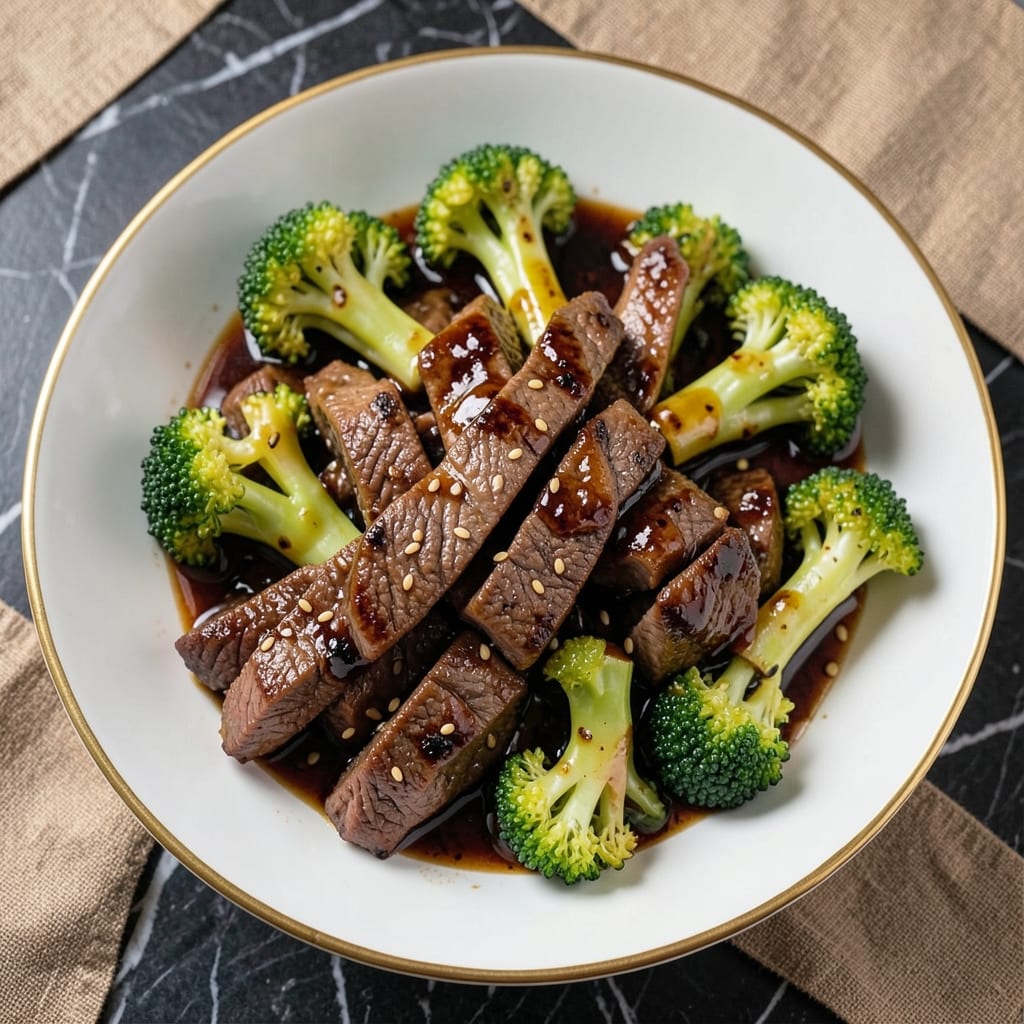
This beef and broccoli recipe made with lau delivers restaurant-quality wok-heated crunch and umami sauce magic in under 30 minutes. The secret lies in properly searing flank steak until caramelized, then tossing it with crisp-tender broccoli and a velvety lau sauce that balances sweet, salty, and fermented complexity. I've perfected this technique over countless weeknight dinners, ensuring every bite delivers that perfect contrast between tender beef and vibrant broccoli florets.
The process begins with high-heat searing to develop deep flavor in the beef, followed by precise timing to maintain broccoli's crisp texture. Lau sauce—typically a blend of fermented bean paste, dark soy, and hoisin—adds layers of umami that transform simple ingredients into something extraordinary. What sets this apart is the wok technique, where ingredients are cooked quickly at high heat to preserve natural textures while building rich, caramelized flavors.
By the time you plate this dish, you'll have perfectly seared beef strips with a glossy, caramelized crust and bright green broccoli that stays crisp even after sauce absorption. The lau sauce coats everything in a sticky-sweet glaze that enhances rather than overpowers the natural flavors. This is the kind of dish that makes weeknight cooking feel like a special occasion—bold, flavorful, and impossible to resist.
Serve over steamed jasmine rice to soak up every last bit of that umami-rich sauce. The combination of textures and flavors creates a harmonious balance that's both comforting and exciting. Ready to transform your weeknight dinner? Let's get cooking with this authentic Chinese classic.
Ingredients for beef and broccoli recipe made with lau
Restaurant-quality beef and broccoli relies on these precise ingredients for authentic wok-heated umami perfection.
| Ingredient | Amount | Notes |
|---|---|---|
| Flank Steak 🥩 | 1 lb | Thinly sliced against grain |
| Broccoli Florets 🥦 | 2 cups | Cut into bite-sized pieces |
| Lau Sauce 🍶 | ½ cup | Homemade or store-bought |
| Dark Soy Sauce 🧂 | 2 tbsp | For deep color and flavor |
| Hoisin Sauce 🍶 | 2 tbsp | Sweet and aromatic |
| Sesame Oil 🫒 | 1 tbsp | Toasted for nutty aroma |
| Garlic Cloves 🧄 | 4 cloves | Minced for aromatic base |
| Ginger Root 🌿 | 1 tbsp | Freshly grated |
| Vegetable Oil 🫒 | 2 tbsp | High smoke point preferred |
| Cornstarch 🌾 | 1 tbsp | For thickening sauce |
| Green Onions 🧅 | 3 whole | Sliced for garnish |
| Sesame Seeds 🌰 | 1 tbsp | Toasted for crunch |
| Jasmine Rice 🍚 | 1 ½ cups | Uncooked, for serving |
| Salt 🧂 | 1 tsp | Kosher or sea salt |
| Black Pepper 🌶️ | ½ tsp | Freshly ground |
The flank steak is non-negotiable—its lean yet flavorful profile works perfectly when sliced thinly against the grain. Look for USDA Choice or Prime cuts at your local butcher or high-end grocery store like Whole Foods or Trader Joe's for consistent quality. If you can't find flank steak, sirloin is a decent substitute, though it may be slightly less tender. For the broccoli, freshness matters—bright green florets with tight buds ensure crisp texture. Avoid pre-cut broccoli from the salad bar, as it tends to wilt quickly. Asian markets often carry the freshest broccoli, but any well-stocked grocery store will suffice. The lau sauce is the heart of this dish—homemade versions using fermented bean paste deliver the deepest umami, but store-bought brands like Lee Kum Kee are reliable shortcuts.
No lau sauce? Substitute with a mix of hoisin and dark soy sauce—just reduce the hoisin by half since it's already included. Fresh ginger and garlic are ideal, but powdered versions work in a pinch (use half the amount). The sesame oil should be toasted, not regular—it adds a nutty depth that regular sesame oil lacks. For the cornstarch, Bob's Red Mill is a trusted brand, but any high-quality cornstarch will do. If you're avoiding gluten, arrowroot powder makes an excellent substitute. The jasmine rice should be long-grain and unscented—brands like Lotus Foods or Calrose are perfect for this dish. For extra authenticity, rinse the rice before cooking to remove excess starch and prevent mushiness.
Store the lau sauce and hoisin in the fridge for up to 6 months, while the fresh ginger and garlic keep in the freezer for 3 months when wrapped tightly. The flank steak should be used within 2 days of purchase for best texture, but you can freeze it for up to 3 months. Once cooked, this dish reheats beautifully—microwave for 1-2 minutes with a splash of water to restore crispness. The sesame seeds and green onions are best added fresh at serving time, but you can toast the sesame seeds ahead and store them in an airtight container for 2 weeks. For meal prep, portion the rice and sauce separately to maintain texture.
Why You'll Love This Recipe
- One-Pan Magic: I swear by this—just toss the flank steak and broccoli in one pan, let the lau sauce do its thing, and walk away. The dark soy and hoisin caramelize right into the beef while you’re still chopping the broccoli, so cleanup is basically nonexistent.
- Umami Bomb: That combo of lau sauce, dark soy, and hoisin? It’s a flavor explosion in your mouth. The beef gets this glossy, sticky-sweet glaze that’s not too heavy, and the broccoli stays crisp-tender—like someone seasoned it just for you.
- Lunchbox Hero: Between us, this is my go-to for meal prep. Slice the steak thin, pack it with broccoli, and the sauce keeps everything moist for days. Honestly, my kids (and husband) fight over the leftovers, and that’s saying something.
- Budget Power Move: Flank steak stretches farther than you’d think when sliced thin, and broccoli’s one of the cheapest veggies out there. A jar of lau sauce lasts for multiple batches, so you’re basically getting restaurant-quality for half the price—no guilt, just flavor.
Step-by-step instructions for wok-heated beef and broccoli
Master this technique for restaurant-quality texture and balanced flavors every time.
Prepare the Flank Steak and Broccoli
Begin by slicing the 1 lb flank steak thinly against the grain into ¼-inch thick strips. This ensures tender bites that cook quickly in the wok. Pat the slices dry with paper towels - any moisture will prevent proper searing. In a separate bowl, toss the 2 cups broccoli florets with 1 teaspoon salt and ½ teaspoon black pepper to enhance their natural sweetness.
While prepping, grate the 1 tablespoon ginger root using a fine grater and mince the 4 cloves garlic into tiny pieces. Both aromatics will form the flavor foundation of your dish. Keep these ingredients at room temperature while you work - cold ingredients can shock the wok's heat.
Cook the Jasmine Rice
Rinse the 1.5 cups jasmine rice thoroughly under cold water until the water runs clear, then combine with 2 cups water in a pot. Bring to a boil over high heat, then reduce to low heat, cover, and simmer for 15 minutes. Remove from heat and let steam covered for 10 minutes. This yields perfectly fluffy rice that won't compete with the main dish.
While the rice cooks, slice the 3 whole green onions into ½-inch pieces, reserving 2 tablespoons for garnish. Toast the 1 tablespoon sesame seeds in a dry skillet over medium heat for 2 minutes until fragrant - this adds nutty depth to your dish. Keep these components ready for final assembly.
Sear the Beef and Broccoli
Heat a wok or large skillet over high heat until it's smoking hot. Add 2 tablespoons vegetable oil and swirl to coat. Add half of the beef strips in a single layer and sear undisturbed for 1-2 minutes until deep golden brown on one side. Flip and cook another 30 seconds - the beef should be 85% cooked at this point but still slightly pink inside.
Remove the beef to a plate and repeat with the remaining strips. In the same wok, add another 1 tablespoon vegetable oil if needed, then stir-fry the broccoli florets for 2-3 minutes until bright green and just tender-crisp. The high heat should blister the edges slightly - this creates that signature wok-heated texture.
Build the Umami Sauce
Return the beef to the wok along with any accumulated juices. Add the minced garlic and ginger, stirring for 30 seconds until fragrant. Pour in the 2 tablespoons dark soy sauce and 2 tablespoons hoisin sauce, tossing everything together for 1 minute to coat the beef and broccoli evenly.
In a small bowl, whisk together the 0.5 cup lau sauce and 1 tablespoon cornstarch until smooth. Pour this mixture into the wok and stir vigorously for 1-2 minutes until the sauce thickens to a glossy, coating consistency. The sauce should cling beautifully to both the beef and broccoli without being gluey.
Finish and Serve
Drizzle the dish with 1 tablespoon sesame oil and toss gently to combine. Garnish with the reserved 2 tablespoons sliced green onions and 1 tablespoon toasted sesame seeds. Serve immediately over the prepared jasmine rice while everything is still steaming hot.
Each bite should deliver perfectly seared beef with tender-crisp broccoli, all coated in a balanced umami sauce. The rice should be fluffy and separate, providing the ideal vessel for this flavorful combination. The sesame seeds add textural contrast that elevates the dish from good to exceptional.
Pro Tips For Making Beef And Broccoli Recipe Made With Lau
- Slice Against the Grain: Flank steak’s fibers run long—cutting perpendicular means each bite melts instead of chews. I used to ignore this and ended up with rubbery strips; now I angle the knife at 45 degrees and slice after resting the meat (yes, even if you’re impatient like me).
- Blanch Broccoli First: Toss florets in boiling water for 30 seconds, then ice bath—keeps them bright and prevents soggy, mushy piles in the wok. Skipping this step turns your broccoli into a sad, limp afterthought.
- Balance the Sauce Ratio: Lau sauce is bold; dark soy adds depth, hoisin sweetness. Start with 1:1:1 (lau:dark soy:hoisin), taste, then adjust—too much hoisin? Add a splash of rice vinegar to cut the cloying sweetness.
- Deglaze with a Splash: After searing the beef, hit the pan with 2 tablespoons of dry sherry (or water in a pinch) before adding sauces. Lets you scrape up all those caramelized bits—otherwise, you’re leaving flavor on the stove.
Troubleshooting perfect results
Undercooked Beef Fix
If your beef strips remain pink in the center after cooking, they likely didn't reach 145°F internal temperature (medium-rare). Remove the beef from the wok and slice one piece to check—if it's still chilled in the middle, return it to the wok with 1 tablespoon extra vegetable oil and cook for another 30-60 seconds until fully heated through. For extra safety, especially with flank steak, I recommend bringing it to 155°F to ensure food safety while maintaining tenderness. 🌡️
Mushy Broccoli
Broccoli turning soft and limp? This happens when it's overcooked or underseasoned. The key is high heat and short cooking time—broccoli should blister slightly at the edges but remain bright green and crisp. If you notice it wilting too quickly, reduce the wok heat to medium-high and cook for only 2 minutes. A pinch of ½ teaspoon baking soda (yes, really!) tossed with the broccoli before cooking can help maintain crispness by raising its pH slightly. 🥦
Sauce Too Thin
If your lau sauce isn't thickening properly, it's likely due to insufficient cornstarch or undercooking. For a quick fix, mix ½ teaspoon cornstarch with 1 teaspoon cold water in a small bowl, then stir it into the wok. Cook for another 30 seconds until the sauce thickens to a glossy consistency. Alternatively, reduce the heat slightly and let the sauce simmer for 1-2 minutes while stirring constantly. Avoid adding too much water—this will dilute the umami flavors you've worked so hard to build. 🍶
Overpowering Soy Sauce
Too much dark soy sauce can make the dish taste bitter or overly salty. If this happens, balance it by adding 1 teaspoon honey or 1 teaspoon rice vinegar to the wok and tossing everything together. The sweetness or acidity will cut through the saltiness and restore balance. For future attempts, start with 1 tablespoon dark soy sauce and adjust to taste—every brand varies in saltiness, so always taste as you go. 🧂
Uneven Cooking
If your beef and broccoli cook at different rates, it's likely because they're not getting enough attention. To fix this, divide your cooking process: First, sear the beef completely, then set it aside. Cook the broccoli separately until just tender-crisp, then return the beef to the wok to reheat for 30 seconds while adding the sauce. This ensures both components are cooked to perfection without overcrowding the wok. A 14-inch carbon steel wok (like those from Made In) gives you the best control for even cooking. 🔥
Lau Sauce Too Strong
If the lau sauce flavor dominates and overpowers the beef and broccoli, dilute it slightly by adding 1 tablespoon water or 1 teaspoon chicken broth to the wok. Stir well and let it simmer for 30 seconds to integrate the flavors. For future attempts, reduce the lau sauce by 1-2 tablespoons and compensate with a splash of hoisin sauce for sweetness. Always taste your sauce before adding it to the wok—this is the best way to ensure balance. 💡
Nutrition facts
Frequently asked questions
What's the secret to getting that perfect wok-heated texture?
High heat is key! Use a 14-inch carbon steel wok heated until smoking, then work quickly. Sear beef in batches without overcrowding for 1-2 minutes per side until deep golden brown. For broccoli, stir-fry for just 2-3 minutes until bright green with slight blistering at the edges. The rapid heat transfer creates that signature restaurant-style texture.
Can I substitute flank steak with another cut?
Yes, but choose thinly sliced cuts that cook quickly. Sirloin or ribeye work well, but avoid tougher cuts like chuck. Slice against the grain into ¼-inch strips for tenderness. For extra flavor, marinate the beef in 1 tablespoon soy sauce and 1 teaspoon cornstarch for 15 minutes before cooking.
How do I make lau sauce from scratch?
Blend ½ cup fermented black beans, 2 tablespoons dark soy sauce, 1 tablespoon hoisin, 1 tablespoon rice vinegar, 1 teaspoon sugar, and ½ teaspoon red pepper flakes. Simmer for 5 minutes until thickened. For depth, add 1 tablespoon sesame paste and 1 clove garlic to the blend. Store in the fridge for up to 2 weeks.
Why does my broccoli turn mushy?
Overcooking or low heat causes limp broccoli. Cook at high heat for only 2-3 minutes until bright green with slight crispness. For extra crunch, toss florets with ½ teaspoon baking soda before cooking—it raises pH slightly to maintain texture. Avoid overcrowding the wok, which steams instead of sears.
Can I make this dish ahead of time?
Prepare components separately for best results. Cook the beef and broccoli, then refrigerate in an airtight container for up to 2 days. Reheat in a wok or skillet with 1 teaspoon oil over high heat for 2-3 minutes. Make the sauce fresh before serving to maintain thickness. Garnish with toasted sesame seeds and green onions just before eating.