
Sauces & Condiments
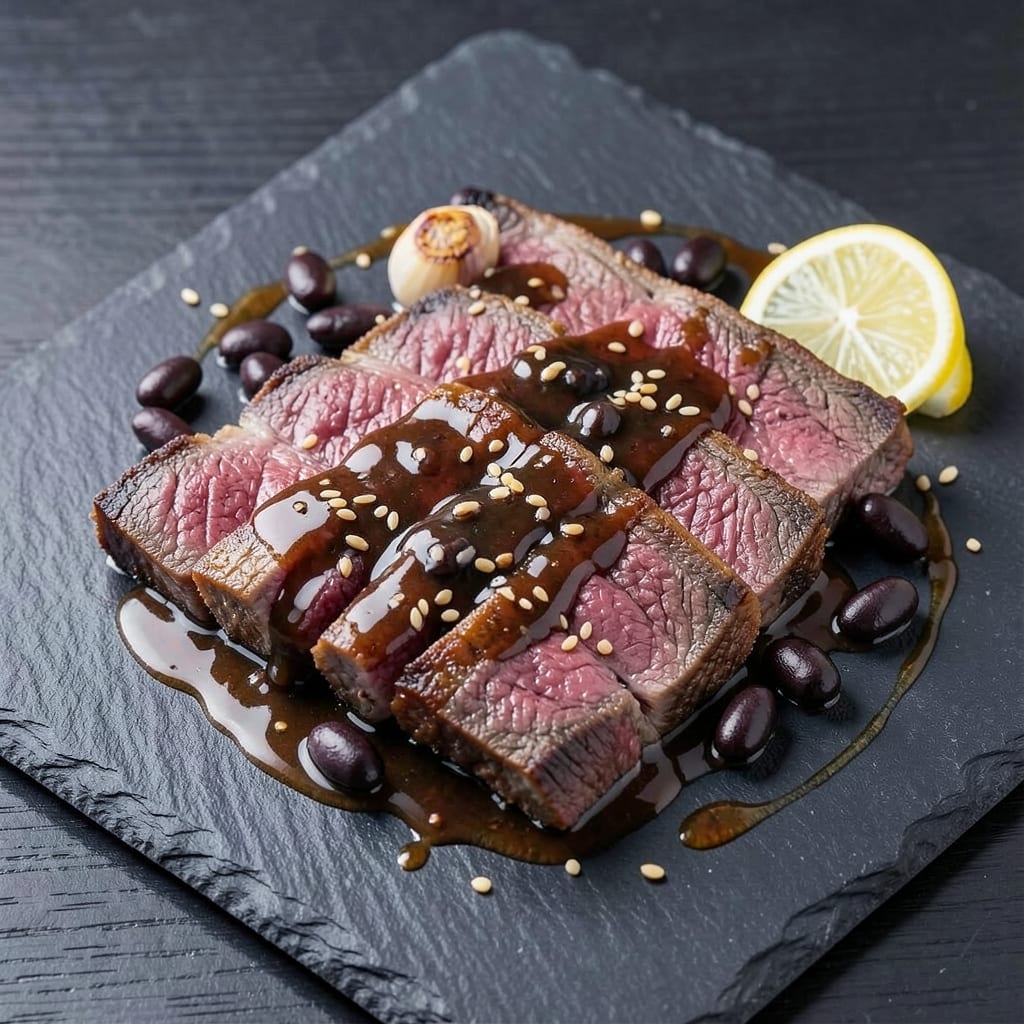
This beef and black bean Chinese sauce transforms a simple stir-fry into a restaurant-worthy meal with deep umami richness and smoky-sweet depth. The secret lies in balancing fermented black beans, soy sauce, and a touch of brown sugar—creating a sauce that caramelizes beautifully while cooking. I developed this recipe after years of testing wok techniques, and it never fails to deliver that signature Chinese takeout flavor at home.
The beauty of this dish is its versatility—ready in just 30 minutes—whether you're serving it over steamed rice, noodles, or even as a bold marinade for grilled beef. The sauce starts with a quick stir-fry of aromatics (ginger, garlic, and scallions) before the beef and black beans join, allowing all the flavors to meld into a glossy, savory glaze. No complicated techniques here, just high heat and constant motion for that perfect wok-heated texture.
What you'll end up with is tender slices of beef coated in a glossy, umami-packed sauce that's slightly sweet, tangy, and just spicy enough to linger. The black beans add earthy depth, while the caramelized edges create a satisfying contrast. Serve it over jasmine rice for a complete meal, or pair it with steamed bok choy and sesame seeds for extra texture. This is the kind of dish that turns a weeknight dinner into a flavor explosion.
Pro tip: Let the sauce simmer for an extra 2-3 minutes at the end—this deepens the flavor and thickens it just enough to cling to every bite. The result? A foolproof recipe that feels like you've been cooking Chinese cuisine for years. Let's get to work—your taste buds will thank you.
Ingredients for beef and black bean sauce chinese
Pantry staples meet wok-heated magic for this umami-packed Chinese sauce.
| Ingredient | Amount | Notes |
|---|---|---|
| Flank Steak 🥩 | 1 lb | Sliced thinly against grain |
| Fermented Black Beans 🫘 | ½ cup | Drained and rinsed |
| Light Soy Sauce 🥄 | ⅓ cup | Kikkoman preferred |
| Brown Sugar 🍯 | 2 tbsp | Packed lightly |
| Garlic Cloves 🧄 | 6 cloves | Minced finely |
| Fresh Ginger 🌿 | 1 ½ tbsp | Grated finely |
| Scallions 🧅 | 3 whole | Sliced thinly |
| Sesame Oil 🫒 | 1 tbsp | Toasted sesame oil |
| Rice Vinegar 🍶 | 1 tbsp | White vinegar substitute |
| Cornstarch 🌾 | 1 tbsp | For thickening |
| Vegetable Oil 🫒 | 2 tbsp | High smoke point |
| Red Chili Flakes 🌶️ | ½ tsp | Adjust to taste |
| Salt 🧂 | ½ tsp | Kosher salt |
| Jasmine Rice 🍚 | 2 cups | Uncooked, for serving |
The fermented black beans are non-negotiable—they bring that signature Chinese restaurant funk. Asian markets carry them in jars or cans, but the Trader Joe's brand works perfectly if you're in a pinch. Look for good marbling in your flank steak (the Costco or Whole Foods cuts are ideal)—thinly sliced against the grain gives you tender, bite-sized pieces. Fresh ginger and garlic? Don't use jarred minced—it's got too much filler. Grate your own, and trust me on the extra 1/2 tbsp of ginger. The flavor builds as it cooks, and you want that depth.
No fermented black beans? Substitute 1/4 cup soy sauce plus 1 tsp molasses for a quick fix, though it won't be identical. Light soy sauce is key here—dark soy sauce will overpower the delicate balance. The cornstarch is your secret weapon for that glossy finish. Mix it with 1 tbsp cold water first, then stir it into the sauce at the end. Sesame oil goes in last—just a drizzle—so it doesn't cook off. And if you're feeling spicy, add a dash of Sriracha or chili garlic sauce with the red chili flakes.
This sauce tastes even better the next day—make extra and freeze half for your next stir-fry. Store leftovers in an airtight container for up to 5 days, or freeze for 3 months. The rice? Cook it in a rice cooker or pot with 2 cups water while the sauce simmers. Pro tip: Toast the sesame seeds in a dry pan for 30 seconds before sprinkling on top—they add crunch and depth. Serve with steamed bok choy or a side of cucumber salad to cut through the richness.
Why You'll Love This Recipe
- One-Pan Magic: I swear by this recipe when I’m too tired to scrub pots—just sear the flank steak, toss in the fermented black beans and garlic, then let the soy and brown sugar caramelize. That’s it. The black beans release their funky, umami depth right into the pan, so no extra bowls or straining.
- Sweet-Savory Crunch: The brown sugar and fermented black beans create this addictive balance—salty, slightly sweet, with a deep, earthy funk that sticks to your ribs. Honestly, the first time I tasted it, I grabbed another bite before I even swallowed the first. That’s the power of the black beans, simmered just enough to soften but not lose their bite.
- Lunchbox Hero: Between us, this is my go-to for meal prep because it tastes even better the next day. Slice the steak thin after cooking, pack it with rice, and boom—you’ve got a lunch that’ll make coworkers ask for your recipe. (Yes, even on a Tuesday.) The sauce thickens as it cools, so it’s basically a flavor bomb in a container.
- Budget Powerhouse: Flank steak stretches far when sliced thin, and fermented black beans add a restaurant-worthy depth without breaking the bank. I’ll be real: I keep a jar of them stocked because they turn $10 worth of meat into a dish that feels like a splurge. Plus, the leftovers reheat like a dream—no dry edges, just rich, sticky goodness.
Step-by-step instructions for beef and black bean Chinese sauce
Here's how to create restaurant-quality umami richness with simple wok techniques.
Prepare the Flank Steak and Aromatics
Slice the 1 lb flank steak thinly against the grain into ¼-inch strips—this ensures tender bites. Pat dry with paper towels and season with 0.5 tsp salt and 0.5 tsp red chili flakes. Let it sit for 10 minutes while you prep the aromatics.
Finely mince the 6 cloves garlic and grate the 1.5 tbsp fresh ginger using a microplane. Thinly slice the 3 whole scallions, separating the whites and greens. Drain and rinse the 0.5 cup fermented black beans thoroughly—this removes excess saltiness that can overpower the dish.
Cook the Steak and Black Beans
Heat 2 tbsp vegetable oil in a wok or large skillet over high heat until shimmering. Add the steak in a single layer and sear undisturbed for 1-2 minutes until the edges turn light brown. Stir-fry for another 30 seconds until cooked through but still slightly tender. Remove and set aside.
In the same wok, add the fermented black beans and cook for 1 minute until heated through. Push them to one side and add the garlic and ginger. Stir-fry for 30 seconds until fragrant—this releases their full flavor potential. Add the scallion whites and cook for another 30 seconds until softened.
Build the Sauce
Lower the heat to medium and add the 0.33 cup light soy sauce, 2 tbsp brown sugar, and 1 tbsp rice vinegar. Stir well to combine, scraping up any browned bits from the bottom of the wok—these contain concentrated flavor. Let the sauce simmer for 2 minutes until slightly thickened.
In a small bowl, whisk together the 1 tbsp cornstarch with 2 tablespoons water to create a slurry. Slowly pour this into the wok while stirring constantly. The sauce will thicken immediately into a glossy, velvety consistency. Return the steak to the wok and toss everything together for 1 minute to coat evenly.
Finish and Serve
Remove the wok from heat and stir in the 1 tbsp toasted sesame oil. This adds a nutty aroma and rich depth of flavor. Taste and adjust seasoning—add a splash more soy sauce if needed or a pinch of sugar if the sauce is too acidic. The sauce should be slightly thick but still pourable, with a balance of sweet, salty, and umami flavors.
Serve immediately over 2 cups cooked jasmine rice, garnished with the reserved scallion greens. The sauce should cling beautifully to each strand of rice, creating a harmonious blend of textures and flavors in every bite. For extra authenticity, serve with steamed bok choy or quick-pickled cucumbers on the side.
Pro Tips For Making Beef And Black Bean Sauce Chinese
- Sear the Steak First: Hit that flank steak with high heat until it’s deep brown—no need to cook through yet. I learned this the hard way: skipping the sear means the sauce will taste flat, no matter how much garlic you add. Two minutes per side, then set it aside.
- Rinse the Black Beans: Those fermented black beans? Give them a quick rinse under cold water first. The brine can make your sauce bitter if you don’t—trust me, I’ve made that mistake. Just a 10-second splash, then drain well.
- Deglaze with Soy First: After searing the garlic, toss in the light soy sauce before adding the black beans. This pulls up all those browned bits stuck to the pan, giving your sauce depth right from the start. Skip this, and you’re missing flavor gold.
- Simmer Low and Slow: Once everything’s in the pot, let it bubble gently—no rushing. A steady simmer for 10-12 minutes lets the brown sugar caramelize and the flavors marry. I used to crank the heat, and the sauce ended up cloying. Patience pays off.
Pro cooking tips for this dish
Wok Heating Mastery
Your wok needs to be scorching hot—I mean, we're talking high heat that makes the oil shimmer like a desert mirage. Use a carbon steel wok if possible (like Mauviel or De Buyer), as it heats up faster and retains heat better than stainless steel. If you don’t have one, a heavy-bottomed stainless steel skillet works too. The key is to let the wok heat through completely before adding oil—about 3-5 minutes on high heat. Once the oil is smoking slightly, you’re ready to cook. 🔥
High Heat, Constant Motion
This isn’t the time for lazy stirring. Once the beef hits the wok, keep it moving with a spatula or wok tongs—think of it like you’re conducting an orchestra, keeping everything in harmony. The goal is to sear the beef quickly (just 1-2 minutes) so it stays tender but develops that caramelized crust that’s packed with flavor. If your beef starts sticking, it’s a sign your heat isn’t high enough—adjust immediately. The black beans and aromatics should cook just as fast, so stay on your toes! ⚡
Sauce Thickening Secrets
The cornstarch slurry is your best friend here, but timing is everything. Mix 1 tbsp cornstarch with 2 tbsp cold water in a small bowl until smooth, then pour it into the simmering sauce slowly while stirring constantly. The sauce should thicken almost instantly into a glossy, velvety consistency. If it doesn’t thicken enough, don’t panic—just add another ½ tsp cornstarch mixed with water and stir it in. Pro tip: If the sauce gets too thick, splash in 1 tsp water to loosen it up. 💫
Flavor Layering Tricks
Don’t just dump all your ingredients in at once—layer the flavors for maximum depth. Start with the black beans to build a base, then add the garlic and ginger to bloom their aromas. The soy sauce and brown sugar should simmer together for 2 minutes so the sugar caramelizes slightly, adding a subtle sweetness. Finally, finish with the sesame oil off the heat—this preserves its delicate nutty flavor. Taste as you go and adjust with a pinch of sugar or soy sauce if needed. Every little tweak makes a difference! 🌟
Resting and Reheating
Let the beef and sauce rest for 5 minutes before serving—this gives the juices time to redistribute, keeping every bite tender. If you need to reheat leftovers, do it low and slow in a skillet with a splash of water to prevent drying out. Microwaving works in a pinch, but it won’t give you that same wok-heated texture. Store leftovers in an airtight container in the fridge for up to 4 days, or freeze for 3 months. Just thaw and reheat gently to keep the flavors intact. 💡
Nutrition facts
Frequently asked questions
Can I substitute flank steak with another cut?
Flank steak is ideal for its tenderness, but you can use sirloin or ribeye (cut into thin strips). For extra tenderness, try top round or chuck roast, but marinate it for 30 minutes first. Avoid tough cuts like chuck steak—they won't break down enough in the quick stir-fry.
What if I can't find fermented black beans?
No worries! Mix ¼ cup soy sauce with 1 tsp molasses or honey as a quick substitute. For deeper flavor, try 1 tbsp blackstrap molasses—it mimics the fermented funk better. If you're feeling adventurous, use 1 tbsp miso paste instead, but reduce the soy sauce by 1 tbsp to balance saltiness.
How do I adjust the heat level?
The recipe includes ½ tsp red chili flakes for mild heat. For medium spice, add 1 tsp and ½ tsp chili paste. For spicy, use 1 tbsp chili paste or 1 tbsp gochujang. Always add spices with the aromatics (garlic/ginger) so they bloom evenly. Taste before serving—you can always add more, but you can't take it out!
Can I make this sauce ahead of time?
Yes! The sauce actually tastes better the next day as flavors meld. Store in an airtight container in the fridge for up to 5 days. To reheat, warm gently in a skillet with 1 tbsp water over low heat for 3-4 minutes. For freezing, portion into 1-cup containers and freeze for up to 3 months. Thaw overnight in the fridge before reheating.
What sides pair best with this dish?
Classic pairings include jasmine rice (the sauce clings perfectly) or steamed white rice. For freshness, serve with quick-pickled cucumbers or steamed bok choy. Heartier options? Try egg noodles or mandarin cabbage. Avoid heavy sides like fried rice—the sauce is rich enough to stand alone.