
Side Dishes
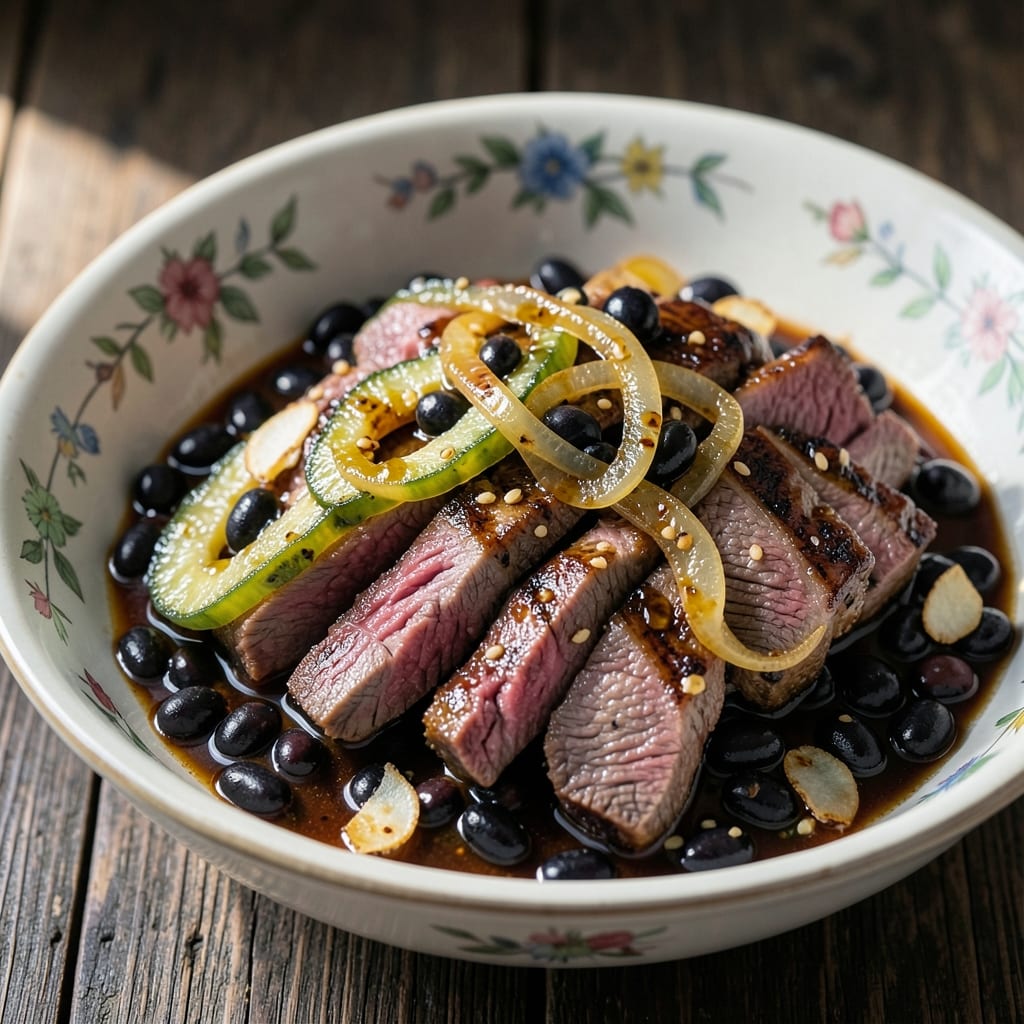
This beef ampalaya with black beans recipe transforms bitter melon into a hearty, flavorful dish that balances earthy beans and tender beef in a rich tomato gravy. The key lies in properly preparing the ampalaya—slicing it thin and blanching to reduce bitterness while maintaining its signature crisp-tender texture. I’ve perfected this Filipino classic to ensure the beef stays fork-tender, the black beans hold their shape, and the sauce achieves that perfect balance of sour, sweet, and umami.
The process begins with sautéing onions and garlic until fragrant, then adding the beef to brown before removing it briefly. This step builds depth in flavor, while the black beans and ampalaya cook low and slow in a tomato-based sauce infused with garlic, ginger, and a touch of soy sauce. The result is a dish where every component—crisp ampalaya, creamy beans, and melt-in-your-mouth beef—works in harmony.
What makes this recipe approachable is the methodical approach to balancing flavors. The ampalaya’s bitterness is softened by the sweetness of the tomatoes and the saltiness of the soy sauce, while the black beans add heartiness without overpowering the dish. The beef, cooked just until tender, absorbs the aromatic sauce, creating a meal that’s both comforting and restaurant-worthy.
Serve this dish with steamed rice to soak up every last bit of the savory gravy. The combination of textures—crisp ampalaya, tender beef, and creamy beans—makes it a complete meal that’s perfect for weeknight dinners or family gatherings. Let’s bring this Filipino classic to your table with confidence.
Ingredients for beef ampalaya with black beans
These fourteen ingredients transform bitter melon into a rich, hearty Filipino classic with tender beef and creamy black beans.
| Ingredient | Amount | Notes |
|---|---|---|
| Ampalaya (Bitter Melon) 🍆 | 2 lb | Thinly sliced, blanched for 2 minutes |
| Beef Chuck Roast 🥩 | 1 ½ lb | Cut into 1-inch cubes |
| Black Beans 🌱 | 1 ½ cups | Cooked, drained and rinsed |
| Yellow Onions 🧅 | 2 whole | Thinly sliced, about 2 cups |
| Garlic Cloves 🧄 | 6 cloves | Minced, about 2 tbsp |
| Fresh Ginger 🌿 | 2 tbsp | Grated, about 1-inch piece |
| Canned Tomato Sauce 🍅 | 1 can | 28 oz, San Marzano preferred |
| Soy Sauce 🥄 | 2 tbsp | Light or regular |
| Olive Oil 🫒 | ¼ cup | Extra-virgin preferred |
| Salt 🧂 | 1 ½ tsp | Diamond Crystal kosher salt |
| Ground Black Pepper 🌶️ | ½ tsp | Freshly ground preferred |
| Sugar 🍚 | 1 tbsp | White granulated |
| Bay Leaves 🌿 | 2 whole | Dried, for infusion |
| White Vinegar 💧 | 1 tbsp | For balancing bitterness |
The ampalaya requires careful handling—look for firm, deep green melons with no soft spots. Filipino markets or Asian grocery stores often carry the freshest varieties, but if unavailable, substitute with zucchini (though texture will differ). The beef should be well-marbled chuck roast—this cut stays tender during long cooking. For the black beans, canned low-sodium varieties work best, but if using dried, soak overnight. The ginger and garlic are non-negotiable—they form the aromatic base that balances the dish's complex flavors.
No soy sauce? Substitute with coconut aminos at 1:1 ratio, though flavor will differ slightly. Short on tomato sauce? Crushed tomatoes plus 1 tbsp tomato paste works well. The vinegar is crucial for cutting bitterness—apple cider vinegar works too. For a deeper umami profile, add 1 tsp fish sauce (ensure vegetarian version if needed). The sugar may seem odd, but it rounds out the acidity in the sauce. If you prefer less sweetness, reduce to 0.5 tbsp. The bay leaves should be removed before serving—crush them slightly to release more flavor during cooking.
Fresh ampalaya keeps for 3-4 days in the fridge, wrapped in paper towels. The cooked dish reheats beautifully—simmer for 5-10 minutes with a splash of water to restore moisture. Portion into containers for 4-5 days of leftovers, or freeze for 3 months. For meal prep, cook the beans and ampalaya separately, then combine with the sauce when reheating. The beef can be browned ahead and refrigerated for 2 days before completing the recipe.
Why You'll Love This Recipe
- One-Pot Magic: I swear by this recipe when I’m too tired to wash extra bowls—just brown the beef, toss in the onions and garlic, add the ampalaya and beans, and let it simmer. The bitter melon softens into something almost sweet, and the black beans soak up all the rich beef juices.
- Garlic Bomb: Between us, I’ve never met a dish that uses garlic like this one does. The cloves caramelize just enough to give every bite this deep, savory punch, while the ampalaya’s natural bitterness gets balanced by the beef’s richness. It’s the kind of flavor that lingers—in a good way.
- Lunchbox Hero: Honestly, this is my go-to for meal prep. The beef stays tender for days, the beans hold their shape, and the ampalaya’s texture is weirdly satisfying cold or reheated. Pack it in containers, and you’ve got a hearty lunch that doesn’t taste like leftovers.
- Budget Beef Boost: A pound of chuck roast goes a long way here, and black beans stretch the meal without sacrificing flavor. I’ve fed four people for under $15, and no one ever complains about the price—just the taste. Plus, ampalaya is cheap and packed with nutrients. Win-win.
Step-by-step instructions for beef ampalaya with black beans
This dish balances bitter melon's unique flavor with rich beef and hearty black beans—here's how to execute it perfectly.
Prepare the Ampalaya and Beef
Begin by blanching the 2 lb ampalaya (bitter melon) in boiling water for 2 minutes to remove bitterness, then drain and rinse under cold water. Thinly slice the blanched ampalaya into ¼-inch strips—this ensures even cooking and better texture integration. Set aside in a colander.
While the ampalaya cools, cut the 1.5 lb beef chuck roast into 1-inch cubes for even cooking. Season each piece generously with 1 tsp of the 1.5 tsp salt and ¼ tsp of the 0.5 tsp ground black pepper—this initial seasoning prevents blandness later in the cooking process.
Sauté Aromatics and Brown the Beef
Heat 0.25 cup olive oil in a large Dutch oven over medium-high heat until shimmering. Add the 2 whole yellow onions (thinly sliced) and cook for 5 minutes until softened and translucent. Add the 6 cloves minced garlic and 2 tbsp grated fresh ginger, stirring for 30 seconds until fragrant—this builds the flavor foundation.
Increase heat to high and add the seasoned beef cubes in a single layer. Let them sear undisturbed for 3 minutes until browned on all sides. Avoid overcrowding the pan—this ensures proper browning. Transfer the beef to a plate and set aside temporarily.
Build the Tomato-Ginger Sauce
Return the Dutch oven to medium heat and add the 1.5 cups cooked black beans, stirring to coat in the rendered beef fat. Pour in the 1 can canned tomato sauce, 2 tbsp soy sauce, 1 tbsp sugar, and 1 tbsp white vinegar. Add the 2 whole bay leaves and bring to a gentle simmer.
Reduce heat to low and let the sauce cook for 10 minutes, stirring occasionally. This step allows the flavors to meld while the sauce thickens slightly. The bitterness of the vinegar and ginger will begin to soften as the tomato sauce caramelizes.
Combine and Simmer
Return the browned beef to the Dutch oven and add the prepared ampalaya strips. Stir gently to combine, then increase heat to medium-low. Cover and let the dish simmer for 20-25 minutes, stirring occasionally, until the beef is tender and the ampalaya is just tender—it should still hold its shape but be slightly softened.
Taste and adjust seasoning with the remaining ½ tsp salt and ¼ tsp black pepper if needed. The dish should balance the bitterness of the ampalaya with the richness of the beef and sweetness of the black beans. Remove the bay leaves before serving.
Final Adjustments and Serving
For a glossy finish, uncover the Dutch oven and let the sauce reduce for 5-7 minutes over medium heat, stirring occasionally. The sauce should coat the back of a spoon but remain slightly loose—this ensures it clings to each bite. If the ampalaya releases too much liquid, simmer uncovered for 2-3 minutes to evaporate excess moisture.
Serve immediately, garnished with additional minced garlic or grated ginger if desired. The contrast of tender beef, slightly bitter ampalaya, and creamy black beans creates a harmonious balance of textures and flavors that defines this dish. Pair with steamed rice to soak up the rich gravy.
Pro Tips For Making Beef Ampalaya With Black Beans
- Sear the Beef First: I learned this the hard way—skipping the sear means flavorless beef. Pat the chuck roast very dry, then hit it with high heat in a Dutch oven until deep brown on all sides. That crust locks in juices and builds depth that simmering alone can’t match.
- Slice Ampalaya Thin: Thick bitter melon slices stay tough and bitter. Instead, cut them paper-thin (1-2mm) and soak in salted water for 10 minutes to mellow the bitterness. Rinse well—you want flavor, not a mouthful of soap.
- Don’t Overcrowd the Pot: I used to dump everything in at once, and the beef turned out gray and sad. Brown the onions and garlic first, then remove half before adding the beef. This keeps the heat steady and prevents steaming instead of searing.
- Use Canned Black Beans: Sounds weird, but it works: drained, rinsed canned black beans save hours and add consistent texture. If you’re set on dried, soak overnight and simmer them separately first—mixing them raw turns the stew into mush.
Troubleshooting great beef ampalaya with black beans
Mushy Ampalaya Fix
If your ampalaya turns mushy during cooking, it’s likely overcooked or sliced too thick. For future batches, stick to ¼-inch slices and simmer uncovered for the last 2-3 minutes to evaporate excess moisture. I’ve found that blanching for exactly 2 minutes (no longer!) preserves texture while reducing bitterness. 🌱
Bland Beef Solution
Tasteless beef usually means insufficient browning or overcrowding. Sear beef in single layers over high heat until deeply browned on all sides—this creates the Maillard reaction for rich flavor. After simmering, if beef still tastes bland, deglaze the Dutch oven with 1 tbsp soy sauce and 1 tbsp water, scraping up browned bits to infuse the sauce. 🥩
Sauce Too Thin?
A watery sauce often happens when ampalaya releases too much liquid. After combining all ingredients, simmer uncovered for 5-7 minutes to reduce excess moisture. For extra thickness, mash ¼ cup of the cooked black beans directly in the pot—their starch will help bind the sauce. Stir in 1 tsp cornstarch mixed with 1 tbsp water as a last resort. 🍲
Overly Bitter Taste
If bitterness dominates, you likely skipped blanching or used unripe ampalaya. Always blanch for 2 minutes and rinse thoroughly. For extra balance, add ½ tsp sugar or 1 tsp coconut sugar to counteract bitterness. A splash of white vinegar (1 tbsp) also helps—it brightens flavors while cutting through harshness. 💧
Black Beans Too Soft
Overcooked beans lose their texture. To prevent this, add them after the beef returns to the pot (Step 4) and simmer for only 10-15 minutes total. For extra firmness, use canned black beans (not dried) and drain them very well before adding. If beans are already mushy, stir in 1 tbsp tomato paste to thicken the sauce and stabilize their texture. 🌱
Greasy Final Dish
Excess oil usually comes from over-sautéing onions or adding too much olive oil. Reduce oil to 2 tbsp (instead of ¼ cup) and sauté onions at medium heat for 4-5 minutes—they should soften without browning. Skim excess fat from the surface before serving, or blot with a paper towel. For a lighter finish, sprinkle 1 tsp toasted sesame seeds on top. 🌿
Nutrition facts
Frequently asked questions about beef ampalaya with black beans
Why do I need to blanch the ampalaya before cooking?
Blanching removes the bitter compounds that make raw ampalaya unpleasant. The 2-minute boil softens the texture while preserving its signature crisp-tender bite when cooked. Skipping this step can leave your dish overly bitter—even with vinegar and sugar.
Can I substitute zucchini for ampalaya?
Yes, but expect a milder flavor and softer texture. Use 2 medium zucchini (about 1 lb) and increase blanching to 1 minute to prevent mushiness. Add ½ tsp extra sugar to balance any remaining bitterness. For authenticity, though, fresh ampalaya is ideal.
How do I prevent the black beans from turning mushy?
Add beans after the beef returns to the pot (Step 4) and simmer for only 10-15 minutes total. Use canned beans (not dried) and drain them very well before adding. For extra firmness, stir in 1 tbsp tomato paste at the end to thicken the sauce.
Is this dish spicy? Can I make it milder?
This recipe isn't spicy by default, but if you prefer even milder heat, reduce the garlic to 4 cloves and omit the ginger entirely. For extra smoothness, blend ¼ cup of the sauce and stir it back in. The natural bitterness of ampalaya provides enough contrast without spice.
Can I make this recipe in a slow cooker?
Brown the beef first, then combine all ingredients (except bay leaves) in the slow cooker. Cook on low for 6-7 hours or high for 3-4 hours. Add the ampalaya and black beans in the last 30 minutes to prevent overcooking. The sauce may need 1 tsp cornstarch to thicken at the end.