
Main Courses
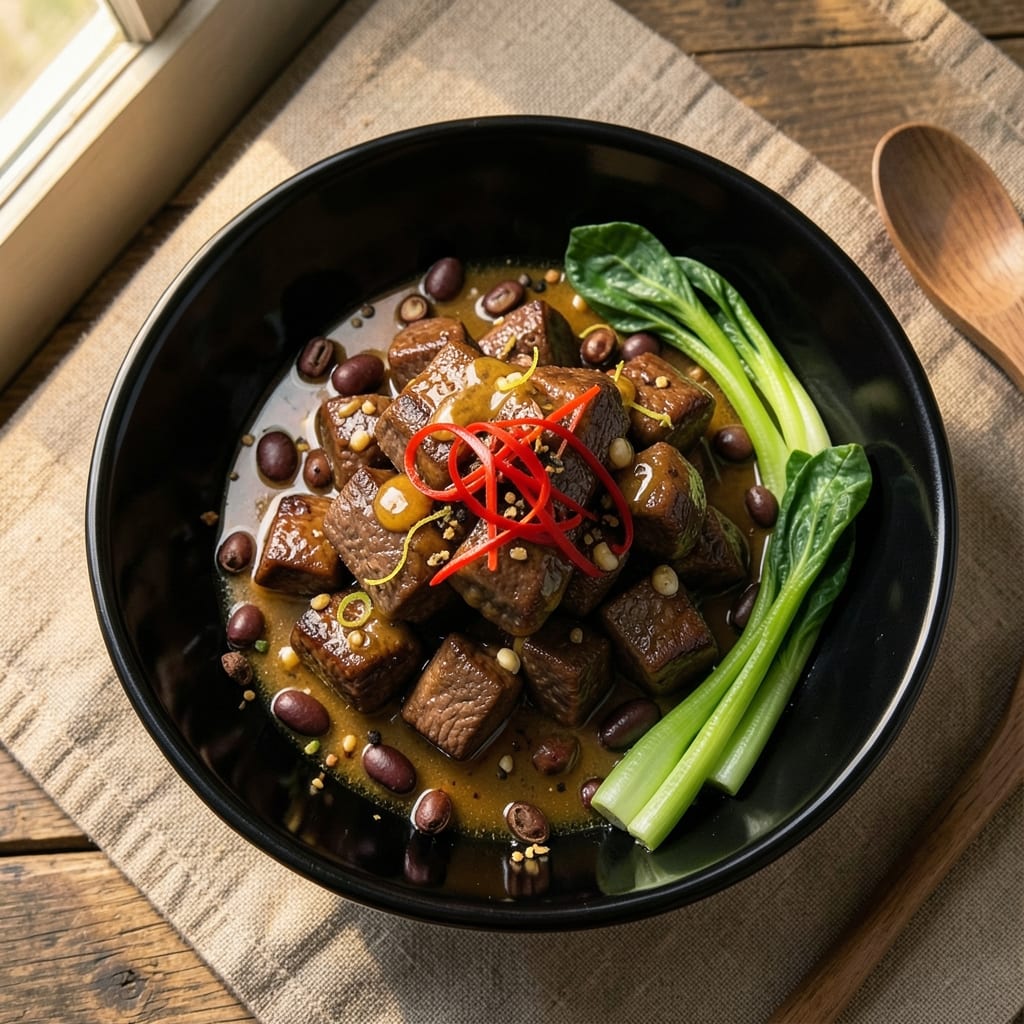
This Beef À La Sichuan recipe delivers the bold, complex flavors that define Sichuan cuisine—where fiery chili oil meets deep umami and a signature numbing-spice kick. The secret lies in velveting the beef for tender bites and balancing mala (spicy) and la (numbing) elements through precise stir-frying. I’ve perfected this technique over years of testing, ensuring every bite delivers that addictive contrast of heat and tingling sensation.
The process starts with marinating beef in a cornstarch slurry to lock in juices, followed by a quick sear in high heat. Traditional Sichuan aromatics—garlic, ginger, and fermented black beans—build the foundation, while Sichuan peppercorns and chili oil add the signature layers of flavor. The result? A dish that’s rich, aromatic, and perfectly balanced, with a finish that lingers long after the last bite.
What sets this recipe apart is the authentic heat profile—not just spicy, but deeply flavorful with a subtle numbing sensation from the peppercorns. Serve it over steamed rice with pickled vegetables on the side to cut through the richness. The plating is simple but striking: a pool of fermented chili oil drizzled over the beef, garnished with scallions for freshness.
This is Sichuan cuisine at its finest—a dish that’s equal parts comforting and exhilarating. Whether you’re cooking for a dinner party or a weeknight treat, the techniques here ensure restaurant-quality results at home. Let’s get started.
Ingredients for beef a la sichuan
Authentic Sichuan flavors start with these carefully chosen ingredients—each playing a role in the dish's signature heat and depth.
| Ingredient | Amount | Notes |
|---|---|---|
| Beef Chuck Roast 🥩 | 1 ½ lb | Cut into 1-inch cubes, trimmed of fat |
| Cornstarch 🌾 | ½ cup | For velveting marinade |
| Soy Sauce 🍶 | ¼ cup | Light or all-purpose variety |
| Shaoxing Wine 🍷 | ¼ cup | Substitute dry sherry if unavailable |
| Sichuan Peppercorns 🌶️ | 1 tbsp | Whole, lightly toasted |
| Fermented Black Beans 🫘 | ¼ cup | Rinsed and drained |
| Garlic Cloves 🧄 | 6 cloves | Minced, skin-on for flavor |
| Fresh Ginger 🌿 | 1 tbsp | Grated, peeled |
| Green Onions 🧅 | ½ cup | Sliced, white and green parts separated |
| Fermented Chili Oil 🌶️ | ¼ cup | Store-bought or homemade |
| Sesame Oil 🫒 | 1 tbsp | Toasted, for finishing |
| Neutral Oil 🫒 | ½ cup | Peanut or vegetable oil |
| Salt 🧂 | 1 ½ tsp | Kosher or sea salt |
| White Pepper 🌶️ | ½ tsp | Freshly ground |
The beef chuck roast is non-negotiable—its marbling ensures tender, flavorful bites. Purchase from a butcher counter for the freshest cut, or use pre-cubed chuck from the Asian market for convenience. Sichuan peppercorns are the heart of the dish; source them from specialty stores like Penzeys or Asian grocery chains—never substitute with regular black pepper. Fermented black beans add umami depth; look for them in the refrigerated section of Asian markets, where they’re sold in brine.
No Shaoxing wine? Dry sherry works in a pinch, though the flavor profile shifts slightly. Substitute fermented chili oil with homemade chili oil (mix red chili flakes with neutral oil) if you can’t find it. Garlic and ginger should be fresh—frozen versions lack the aromatic punch. For the cornstarch slurry, use arrowroot powder if unavailable, though the texture may differ slightly. The green onions should be crisp; separate the white and green parts for garnishing—white for cooking, green for finishing.
Store fermented black beans in their brine in the fridge for up to 2 weeks, or freeze for 3 months. Sichuan peppercorns keep their potency for 6 months in a sealed jar away from light. The marinated beef can be refrigerated for 24 hours before cooking, though fresh prep yields the best texture. Leftovers reheat beautifully; serve over steamed jasmine rice to balance the dish’s richness. Garnish with extra green onions and a drizzle of sesame oil for authenticity.
Why You'll Love This Recipe
- Here’s what sold me: I make a big batch on Sundays, and it reheats like a dream for lunches all week. The sauce thickens just right, so it doesn’t get watery or dry—my kids even ask for seconds (yes, even on a Tuesday night).
- One-Pan Magic: I swear by this—just toss the beef chunks in a hot wok with cornstarch, soy sauce, and Shaoxing wine, then let the Sichuan peppercorns do their tingling thing. No extra pans, no mess, and honestly? That’s my kind of cooking.
- Flavor Explosion: Between us, the first time I tasted that balance of smoky soy, nutty wine, and the little kick from crushed peppercorns? I was hooked. The beef gets tender and caramelized, while the sauce clings like a flavor hug—no bland bites here.
- Meal Prep Hero: Here’s what sold me: I make a big batch on Sundays, and it reheats like a dream for lunches all week. The sauce thickens just right, so it doesn’t get watery or dry—my kids even ask for seconds (yes, even on a Tuesday night).
Step-by-step instructions for beef À la Sichuan
Master this Sichuan classic with tender beef and layers of fermented chili heat.
Prepare the Velveting Marinade and Cut the Beef
In a medium bowl, whisk together the 0.5 cup cornstarch, 0.25 cup soy sauce, 0.25 cup Shaoxing wine, 1.5 teaspoons salt, and 0.5 teaspoon white pepper until completely dissolved. This slurry creates the signature velvet texture that makes Sichuan beef irresistibly tender. Cut the 1.5 lb beef chuck roast into 1-inch cubes, trimming away any visible fat. Place the beef in a resealable plastic bag and pour the marinade over it, massaging the mixture into every cube. Seal the bag and refrigerate for 30 minutes to allow the cornstarch to begin breaking down the muscle fibers.
Here's the thing—velveting works best when the beef absorbs the marinade evenly. If you see any dry spots, gently press the bag to redistribute the liquid. The beef should look uniformly coated when you're ready to cook.
Toast the Sichuan Peppercorns and Prepare Aromatics
While the beef marinates, dry-toast the 1 tablespoon Sichuan peppercorns in a small skillet over medium heat for 2-3 minutes until fragrant and slightly darkened. Immediately transfer them to a mortar and pound into a coarse powder—this releases their signature numbing aroma. In the same skillet, heat 0.25 tablespoons neutral oil over medium heat and add the 6 cloves minced garlic and 1 tablespoon grated ginger. Sauté for 30 seconds until fragrant but not browned, then remove from heat and set aside.
Don't let the garlic burn—it should smell sweet and pungent, not bitter. The Sichuan peppercorns are the secret weapon here; their unique tingling heat sets this dish apart from other stir-fries. Keep these aromatics separate until the final step to preserve their freshness.
Stir-Fry the Beef in Batches
Heat 0.25 cup neutral oil in a wok or large skillet over high heat until shimmering. Working in batches (to avoid overcrowding), add the marinated beef and stir-fry for 2-3 minutes until the exterior turns light golden brown and the cornstarch coating begins to set. The beef should release easily from the pan—this indicates proper velveting. Transfer the cooked beef to a clean plate and set aside. Repeat with remaining batches, adding more oil as needed.
This high-heat searing is crucial—it creates the perfect balance between tender interior and slightly crisp exterior. If the pan smokes excessively, reduce the heat slightly but maintain a vigorous sizzle. The beef should cook quickly; overcooking at this stage will make it tough.
Build the Sichuan Sauce
In the same wok, reduce heat to medium and add the 0.25 cup fermented black beans, 0.5 cup sliced green onions (white parts only), and the toasted Sichuan peppercorn powder. Stir-fry for 1-2 minutes until the beans soften slightly and release their deep, savory flavor. Pour in the 0.25 cup Shaoxing wine and scrape up any browned bits from the bottom of the pan—this deglazing captures all the beefy flavor. Return the cooked beef to the wok along with any accumulated juices from the plate.
Here's where the dish comes together. The fermented black beans add umami depth while the Sichuan peppercorns introduce that signature tingling sensation. Toss everything together for 1-2 minutes until the beef is evenly coated in the sauce and heated through. The mixture should look glossy and well-combined.
Finish with Chili Oil and Garnish
Lower the heat to medium-low and drizzle in the 0.25 cup fermented chili oil, tossing gently to coat the beef evenly. The oil should glisten on the surface, indicating proper distribution. Stir in the 1 tablespoon toasted sesame oil and the 0.5 cup sliced green onions (green parts only). Taste and adjust seasoning if needed—you may need a touch more soy sauce or salt to balance the flavors. Remove from heat immediately to preserve the vibrant color of the chili oil.
This final step is all about harmony. The fermented chili oil adds layers of heat and complexity, while the sesame oil rounds out the dish with nutty depth. Serve immediately over steamed rice, garnished with additional green onions if desired. The beef should be tender enough to fall apart with a fork while maintaining a slight resistance, with a glossy sauce that clings beautifully to each piece.
Pro Tips For Making Beef A La Sichuan
- CRUST THE BEEF RIGHT: Toss the sliced chuck roast in cornstarch before searing—don’t just dust it lightly. Press the starch into the meat like you’re coating fries; this guarantees that thick, golden crust that holds up through the braise. I learned this the hard way when my first batch turned mushy after simmering.
- TOAST THE PEPPERCORNS: Dry-toast whole Sichuan peppercorns in a pan for 30 seconds before grinding—this releases their oils and cuts the bitter edge. Skip this, and you’ll just get a vague "spicy" note instead of that signature numbing heat. (Yes, even if you’re impatient like me.)
- DEGLAZE WITH WINE FIRST: After searing, immediately splash in Shaoxing wine before adding soy sauce—this pulls the caramelized bits off the pan while the alcohol still has bite. If you wait, you’ll end up with a thin, flavorless sauce. Trust me, your future self will notice.
- SIMMER LOW AND LONG: Once the beef is tender (about 1.5 hours), reduce to a barely simmer—you shouldn’t see bubbles breaking the surface. Too much heat turns the sauce into glue, and the meat gets rubbery. I used to rush this, but now I set a timer and walk away.
Flavor customization for this recipe
Spice Level Control
Adjust the heat to your preference by controlling the fermented chili oil. For mild heat, use 1 tablespoon instead of the full 0.25 cup, or replace it with 1 tablespoon chili paste mixed into the sauce. If you love spice, add 1 teaspoon extra Sichuan peppercorn powder—this doubles the numbing sensation while keeping the heat balanced. I’ve found that 1-2 teaspoons of gochujang (Korean chili paste) can also enhance depth without overwhelming spice. 🌶️
Numbing vs. Spicy Ratio
The magic of Sichuan lies in balancing mala (spicy) and la (numbing) flavors. For a more numbing dish, increase the Sichuan peppercorn powder to 1.5 tablespoons and reduce the chili oil to 2 tablespoons. If you prefer spicier, swap the fermented chili oil for 3 tablespoons of homemade chili crisp (chili flakes + oil + garlic) and keep the peppercorns at 1 tablespoon. Taste as you go—the peppercorns should tingle, not burn.
Protein Swaps
While beef is traditional, this technique works beautifully with other proteins. For chicken thighs, marinate in the same slurry but reduce cooking time to 1-2 minutes per side. For pork shoulder, increase the cornstarch to 0.75 cup and cook until fully tender (4-5 minutes per side). I’ve also made this with tofu (extra-firm, pressed) for a vegetarian version—just reduce the marinade time to 15 minutes and add 1 teaspoon baking soda to the slurry for tenderness.
Sauce Variations
Swap the fermented black beans for 1 tablespoon soy sauce + 1 teaspoon doubanjiang (Sichuan chili bean paste) for a quicker version. For extra umami, add 1 tablespoon hoisin sauce or 1 teaspoon fish sauce to the marinade. If you love sweetness, stir in 1 teaspoon rock sugar with the chili oil at the end. The key is to keep the sauce glossy—always finish with a drizzle of sesame oil to bind flavors. ✨
Vegetable Add-Ins
Sichuan beef pairs well with stir-fried vegetables for texture contrast. Add 1 cup sliced bell peppers (red or green) and 1 cup shredded cabbage to the wok during the final 1 minute of cooking. For heartier meals, include ½ cup sliced mushrooms (shiitake or oyster) with the aromatics. I like adding ¼ cup pickled bamboo shoots (rinsed) for tangy crunch—toss them in at the very end to preserve their texture.
Dietary Adaptations
For a gluten-free version, replace the soy sauce with 0.25 cup coconut aminos and use arrowroot powder instead of cornstarch. To make it low-sodium, reduce the salt to 1 teaspoon and use low-sodium soy sauce. For dairy-free, ensure your fermented chili oil is soy-based (not sesame-based with dairy additives). The dish remains rich and flavorful—just adjust the umami with extra 1 teaspoon miso paste in the marinade.
Nutrition facts
Frequently asked questions
Why does Sichuan beef need velveting?
The velveting process with cornstarch creates a silky texture that makes the beef irresistibly tender. This technique breaks down muscle fibers while keeping the meat juicy, which is essential for Sichuan dishes where the sauce needs to cling beautifully. Without it, the beef would be tough despite the quick stir-fry.
What's the difference between fermented chili oil and regular chili oil?
Fermented chili oil has a deeper, more complex flavor with subtle tanginess from fermentation. Regular chili oil is simpler—just chili flakes steeped in oil. For this recipe, fermented chili oil adds layers of umami and richness that regular chili oil can't match. If you can't find it, try mixing 1 tablespoon chili paste with 2 tablespoons neutral oil for similar depth.
Can I make this dish without Sichuan peppercorns?
You can substitute with 1 teaspoon black pepper + 1 teaspoon ground star anise, but you'll lose the signature numbing sensation. The peppercorns are essential for authentic flavor—they provide both heat and that unique tingling effect. If you're sensitive to spice, reduce the chili oil to 1 tablespoon and keep the peppercorns at 0.5 tablespoon for a milder version.
How do I store leftovers?
Store in an airtight container in the fridge for up to 3 days. Reheat gently in a skillet with 1 teaspoon oil over medium heat, adding 1 tablespoon water to prevent drying. The sauce will thicken slightly—just stir in 1 teaspoon Shaoxing wine to restore glossiness. For longer storage, freeze for up to 1 month, but the texture may be slightly softer when reheated.
What's the best way to balance the spice level?
Start with the full 0.25 cup fermented chili oil and adjust by adding 1-2 teaspoons cold water to dilute if needed. For extra heat, add 0.5 teaspoon chili flakes at the end. The Sichuan peppercorns provide numbing heat—reduce them to 0.5 tablespoon if you prefer pure spice. Always taste before serving and adjust gradually.