
Soups & Stews
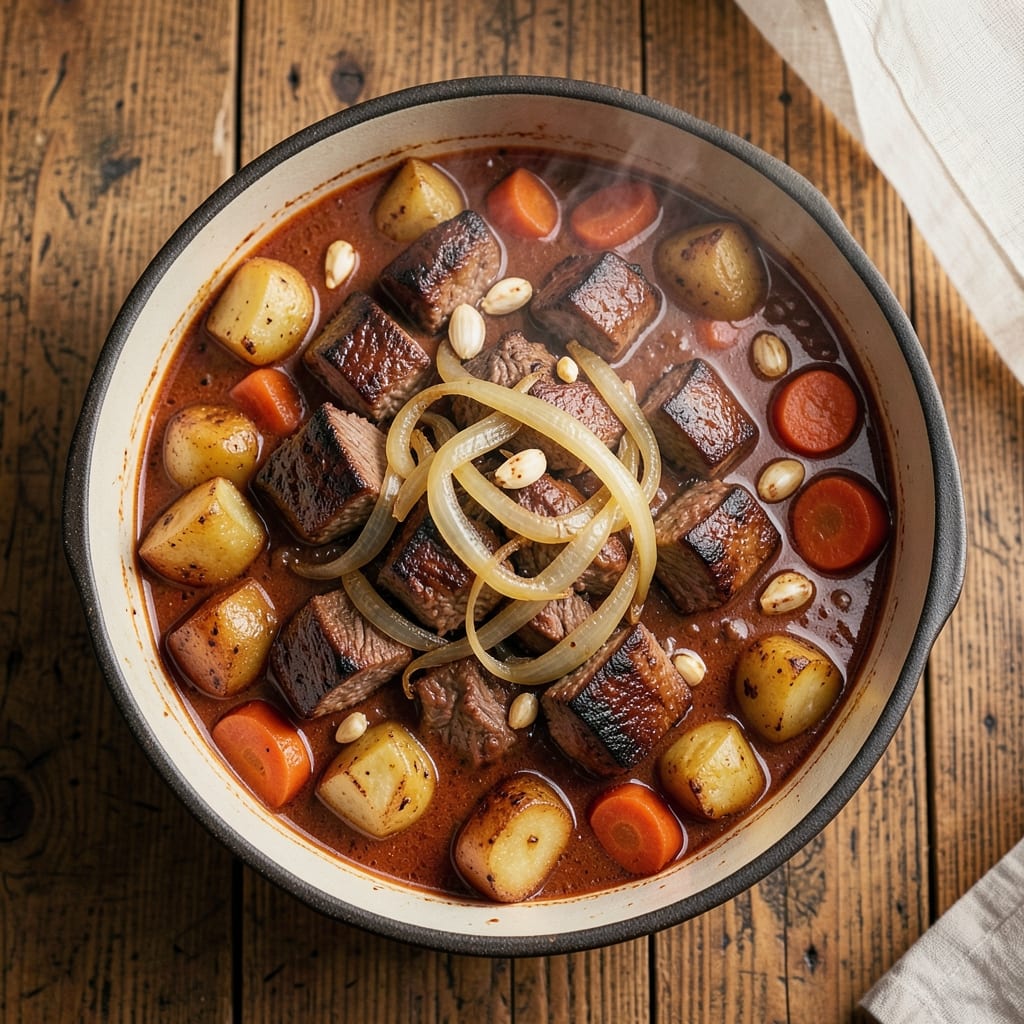
This beat beef stew recipe transforms tough cuts into melt-in-your-mouth tenderness with a rich, caramelized depth that lingers long after the last bite. The secret lies in slow-cooking beef until it practically falls apart, while potatoes develop a golden crust that adds texture and sweetness to every spoonful. What sets this apart is the umami-packed broth, built layer by layer through proper browning and deglazing techniques that professional chefs rely on.
Starting with a well-seared beef chuck roast creates a flavorful crust that dissolves into the simmering liquid, infusing the stew with depth. The potatoes, cut into even chunks, caramelize beautifully as they cook low and slow, absorbing the savory broth while developing a satisfying crispness. This method ensures the beef remains tender without turning mushy, and the vegetables retain their structure without becoming soggy.
By the time it’s done, you’ll have a hearty stew with deep, complex flavors—where each bite delivers tender beef, creamy potatoes, and a broth so rich it coats every spoonful. The aroma alone will have everyone gathered around the table, and the texture contrasts perfectly between the crispy potatoes and the velvety meat. This is comfort food at its finest, built on technique rather than shortcuts.
Serve with crusty bread to soak up every last drop of that flavorful broth, or pair it with steamed greens for a balanced meal. The beauty of this recipe is in its versatility—it’s perfect for a cozy weeknight dinner or a crowd-pleasing centerpiece for gatherings. Let’s get started on creating a stew that tastes like home.
Ingredients for beat beef stew
Sixteen ingredients, six servings of velvety beef and caramelized potatoes that define umami perfection.
| Ingredient | Amount | Notes |
|---|---|---|
| Beef Chuck Roast 🥩 | 3 lb | Pre-cut into 1.5-inch cubes |
| Yellow Onions 🧅 | 2 whole | Medium, sliced into 1/2-inch pieces |
| Carrots 🥕 | 4 whole | Medium, cut into 1-inch chunks |
| Russet Potatoes 🥔 | 3 lb | Cut into 1.5-inch chunks, peeled |
| Garlic Cloves 🧄 | 6 cloves | Minced for depth of flavor |
| Tomato Paste 🍅 | ½ cup | High-quality, for umami base |
| Red Wine 🍷 | 1 cup | Bold dry variety, like Cabernet Sauvignon |
| Beef Broth 💧 | 4 cups | Homemade or high-quality store-bought |
| Olive Oil 🫒 | ¼ cup | Extra-virgin, for searing |
| Thyme 🌿 | 1 tbsp | Fresh, or 1 tsp dried |
| Bay Leaves 🍃 | 2 whole | Dried, for aromatic depth |
| Salt 🧂 | 1 ½ tsp | Diamond Crystal kosher, adjust to taste |
| Black Pepper 🌶️ | 1 tsp | Freshly ground, for balanced seasoning |
| All-Purpose Flour 🌾 | 2 tbsp | For thickening the broth |
The beef chuck roast is non-negotiable—its marbled fat renders into the broth, creating that signature richness. Costco or Whole Foods carry excellent pre-cut cubes, but if buying whole, ask your butcher to trim excess fat. For the potatoes, Russets caramelize best; avoid waxy varieties like Yukon Golds. The tomato paste should be San Marzano if you want to splurge, but any high-quality brand works. Fresh thyme and bay leaves elevate the stew beyond canned seasonings—Penzeys Spices sells them in bulk, but grocery store herb sections suffice for weeknight cooking.
No red wine? Substitute beef broth with 1 tbsp balsamic vinegar for depth. Swap fresh thyme for dried at one-third the amount, but toast the dried leaves first for better flavor. The carrots can be baby carrots if that's what's in your fridge, but whole carrots develop a sweeter, deeper flavor. For the flour, King Arthur all-purpose is ideal, but any high-gluten flour will work. If you're avoiding gluten, use cornstarch at half the amount. The beef broth should be homemade if possible—Pacific Foods or Kettle & Fire are solid store-bought options if you're short on time.
This stew tastes even better the next day as flavors meld. Store in an airtight container in the fridge for up to 5 days, or freeze portions for 3 months. For reheating, simmer on low heat with a splash of broth to restore moisture. The potatoes will crisp up again, and the beef will stay tender. Double the recipe if you're feeding a crowd—it reheats just as beautifully. Keep a small batch in the freezer for those nights when you don't feel like cooking.
Why You'll Love This Recipe
- One-Pot Wonder: I swear by this recipe because it’s literally dump-and-go after the initial sear. Brown the chuck roast, toss in onions, carrots, potatoes, garlic, and broth—then walk away. The slow cooker or oven does all the heavy lifting while you sip wine or fold laundry.
- Deep, Rich Payoff: That beef chuck roast? It melts into tender, pull-apart perfection—no tough chews here. The onions caramelize just enough to add sweetness, and the garlic? Oh, it’s there, but not overpowering. Every bite has that satisfying, hearty depth that makes you slow down and savor it.
- Leftovers That Don’t Suck: Between us, most stew leftovers are sad. Not this one. The flavors actually get better the next day—especially if you let it rest overnight. I freeze half for lazy Mondays or toss it into a grilled cheese sandwich (yes, really). No one skips seconds with this.
- Budget Hero: A 3-pound chuck roast feeds six for under $15, and the veggies stretch it further. Honestly, I make this when I’m pinching pennies, but no one ever guesses. It’s the kind of meal that makes you feel like you’re treating yourself—without the grocery bill screaming at you.
Step-by-step instructions for hearty beef stew with caramelized potatoes
This method builds rich umami flavor through precise timing and technique—no shortcuts, just deep satisfaction.
Sear the Beef Chuck in Batches for Maximum Flavor
Heat the 0.25 cup olive oil in a large Dutch oven over medium-high heat until shimmering. Working in batches, add the 3 lb beef chuck roast (pre-cut into 1.5-inch cubes) and sear for 2-3 minutes per side until deeply browned. This step is non-negotiable—browned meat equals flavor.
Don't overcrowd the pan or the temperature will drop. I like to leave the beef in a single layer at first, then push pieces aside as needed. Once all cubes are golden brown, remove them and set aside. The residual fat in the pot will become your flavor base.
Build the Aromatic Base with Onions, Carrots, and Garlic
In the same Dutch oven, add the 2 whole yellow onions (sliced into ½-inch pieces) and 4 whole carrots (cut into 1-inch chunks). Cook for 8-10 minutes over medium heat, stirring occasionally, until the onions soften and begin to caramelize at the edges. This transformation—from pale to deep amber—signals they're ready for the next step.
Add the 6 cloves minced garlic and cook for another 30 seconds until fragrant. Here's where it gets good: stir in the 0.5 cup tomato paste and cook for 2 minutes to deepen its umami notes. This paste will form the rich foundation of your stew.
Deglaze with Wine and Develop the Sauce
Pour in the 1 cup red wine and scrape up all the browned bits from the bottom of the pot with a wooden spoon. This deglazing step captures all the meaty flavor you've built. Let the wine simmer for 3-4 minutes until reduced by half, until it coats the back of a spoon.
Sprinkle the 2 tbsp all-purpose flour over the mixture and stir vigorously for 1 minute to toast the flour and remove its raw taste. This creates a natural roux that will thicken your stew beautifully. Pour in the 4 cups beef broth and add the 1.5 tsp salt, 1 tsp black pepper, 1 tbsp thyme, and 2 whole bay leaves.
Simmer the Stew Until Tender and Flavor-Infused
Return the seared beef to the pot and bring the mixture to a gentle boil. Once boiling, reduce heat to low and cover partially. Let it simmer for 2 hours, stirring occasionally, until the beef is fork-tender and the flavors have melded together. The stew should reduce slightly, intensifying its depth.
Here's the thing—don't rush this step. The long simmer breaks down the connective tissue in the beef, making it melt-in-your-mouth tender while allowing all the vegetables to absorb the rich, savory broth. If the stew looks too thin, uncover and simmer for another 15 minutes to reduce it to your desired consistency.
Add Potatoes and Finish with Caramelized Crispiness
Add the 3 lb russet potatoes (cut into 1.5-inch chunks) to the stew and simmer uncovered for 30-45 minutes until the potatoes are tender and the liquid has reduced enough to create a thick, velvety sauce. The potatoes should absorb some of the broth but still have a slight bite to them.
For the final touch, increase the heat to medium-high and let the stew reduce for another 10 minutes to achieve that perfect sauce consistency. Taste and adjust seasoning if needed—this is your chance to balance the flavors. Serve immediately with crusty bread to soak up every last drop of that umami-rich broth.
Pro Tips For Making Beat Beef Stew
- Brown the Chuck First: Skip the slow start—sear that beef chuck in batches over high heat until it’s deep brown, not just pink. I learned this the hard way: rushing the sear means bland stew later, and no one wants that. Use 2 tablespoons of oil and don’t crowd the pan—give it space to crisp.
- Cut Potatoes Uniformly: Russet potatoes won’t soften evenly if they’re lumpy. Aim for 1.5-inch chunks, and parboil them for 5 minutes before adding to the stew. This guarantees they’ll finish tender without turning to mush—no one likes a watery potato.
- Add Garlic Late: Toss the minced garlic in only during the last 10 minutes of cooking. Raw garlic burns fast, and overcooked garlic tastes bitter. If you’re impatient like me, set a timer—this small tweak makes a real difference.
- Deglaze with Beer: After browning the beef, splash in ½ cup of dark beer (or broth) to scrape up those browned bits. That’s flavor you’d otherwise lose. Skip the water—it’s the crust that matters most here. (Yes, even if you’re not a beer drinker, use what you have.)
Perfect pairings for this recipe
Crusty Bread Pairings
Nothing enhances this stew like a warm, crusty loaf of bread to soak up the rich, umami-packed broth. I love using a baguette-style bread from Breads Bakery or a rustic sourdough from my local grocery store—both toasted until golden and crispy. Tear the bread into chunks and serve directly in bowls so everyone can scoop up those flavorful bits. 🥖
For an extra-special touch, brush the bread with garlic-infused olive oil before toasting. Add a sprinkle of flaky sea salt and a few fresh thyme leaves to complement the stew’s herbal notes. This simple upgrade transforms an ordinary side into a flavorful centerpiece.
Fresh Green Vegetables
A crisp, bright green vegetable balances the hearty richness of the stew. I often serve steamed green beans with a splash of lemon or a simple arugula salad tossed with lemon vinaigrette and shaved Parmigiano-Reggiano. The acidity cuts through the stew’s depth while adding freshness to each bite.
For a more substantial option, try roasted Brussels sprouts with a drizzle of balsamic glaze. Their caramelized edges and slightly bitter notes contrast beautifully with the tender beef and creamy potatoes. Serve them alongside the stew for a well-rounded meal.
Wine Pairings
A bold, full-bodied red wine elevates the stew’s deep flavors. I reach for a Cabernet Sauvignon from Napa Valley or a Malbec from Argentina—both have enough tannins and fruitiness to stand up to the beef’s richness. The wine’s acidity also helps cleanse your palate between bites.
If you prefer white wine, a Chardonnay with noticeable oak notes works surprisingly well. The buttery undertones complement the stew’s caramelized potatoes and umami broth. For a non-alcoholic option, try a sparkling apple cider—its effervescence and slight tartness pair wonderfully with the dish.
Cheesy Toppings
Add a final touch of indulgence with a sprinkle of grated Gruyère or Comté cheese right before serving. The nutty, melty cheese enhances the stew’s depth and adds a luxurious finish. I like to use about ¼ cup per serving, sprinkled generously over the top.
For a lighter option, try crumbled feta or goat cheese—their tangy notes balance the richness of the beef. A drizzle of honey or maple syrup (about 1 tsp per bowl**) adds a touch of sweetness that rounds out the flavors beautifully.
Nutrition facts
Frequently asked questions
Why does this recipe call for searing the beef in batches?
Searing beef in batches ensures each piece develops a rich, golden-brown crust that locks in juices and creates deep, meaty flavor. Overcrowding the pan lowers the temperature, resulting in steamed meat instead of properly seared. The residual fat left in the pot becomes your flavor base for the entire stew. This step is what transforms a simple beef stew into something truly restaurant-quality.
Can I use a different cut of beef besides chuck roast?
While chuck roast is ideal for its marbled fat and tenderness when slow-cooked, you can substitute with short ribs or brisket for extra richness. Avoid lean cuts like sirloin—they'll dry out during the long simmer. If using short ribs, reduce cooking time to 1.5 hours as they cook faster. The flavor will be slightly different but still delicious.
How do I know when the potatoes are perfectly caramelized?
Perfectly caramelized potatoes should have a golden-brown crust on the outside while remaining tender inside. Press a potato with a fork—it should give slightly but not fall apart. The liquid should coat the back of a spoon but still have body. If the potatoes are too soft, they've absorbed too much liquid. For extra crispiness, uncover the pot for the final 10 minutes of cooking.
What if my stew tastes too salty?
Don't panic! The best fix is to add 1/2 cup of cold water or beef broth and simmer uncovered for 10 minutes to dilute the salt. If that's not enough, stir in 1 tbsp of tomato paste or a splash of milk/cream—both help balance saltiness. Avoid adding more liquid too late, as it can make the stew watery. Taste as you go!
Can I make this stew in an Instant Pot?
Sear the beef as directed, then add all ingredients except potatoes. Cook on high pressure for 45 minutes, then add potatoes and cook another 10 minutes on high pressure. Release pressure naturally. The Instant Pot version will be slightly quicker but may need more reduction time for thickness. For extra richness, finish with 10 minutes on sauté mode to caramelize the potatoes.