
Main Courses
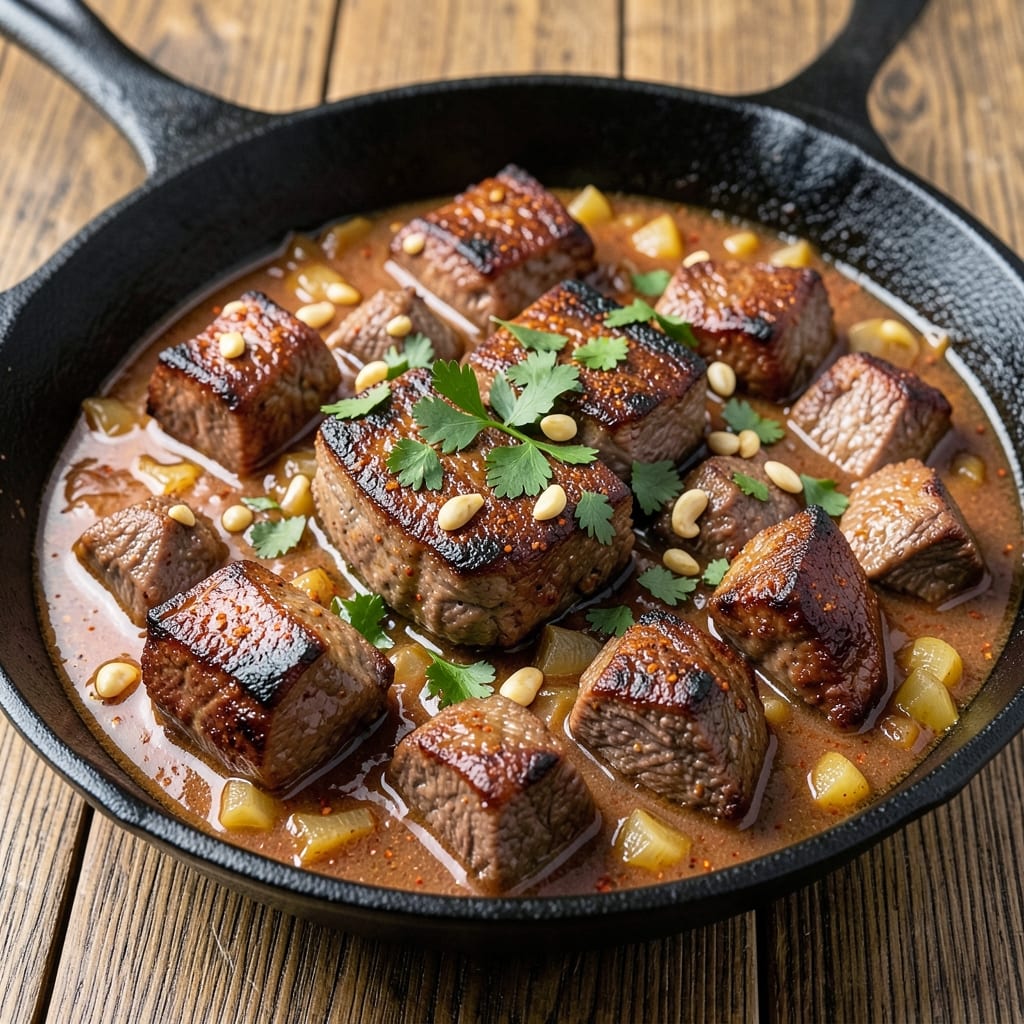
This Bavarian beef goulash recipe brings hearty German comfort to your table with tender beef, rich spices, and a deep, savory broth that simmers for hours. The secret lies in slow-braising beef with sweet paprika and aromatic herbs, creating layers of flavor that transform tough cuts into melt-in-your-mouth perfection. This dish isn’t just about taste—it’s about tradition, with roots in Bavarian home cooking where stews were the backbone of family meals.
The recipe balances authenticity with modern convenience, using simple pantry staples like onions, garlic, and tomatoes to build depth. A 30-minute prep followed by 2.5 hours of hands-off simmering ensures tender beef and a sauce so rich it clings to every bite. The key? Browning the meat first for a deep, caramelized foundation, then letting the spices and broth work their magic over low heat. This is the kind of dish that tastes even better the next day—ideal for meal prep or feeding a crowd.
What sets this goulash apart is its versatility. Serve it with fluffy German dumplings for a traditional pairing or alongside crusty bread to soak up every last drop of sauce. The aroma alone—smoky paprika, warm spices, and tender beef—will fill your kitchen with the cozy warmth of a Bavarian kitchen. Whether you're cooking for a family dinner or a special occasion, this recipe delivers restaurant-quality results with minimal effort.
For those short on time, an Instant Pot adaptation cuts cooking time in half without sacrificing flavor, proving that tradition and convenience can coexist. The beauty of goulash lies in its adaptability—add mushrooms for earthiness, a splash of beer for depth, or a sprinkle of fresh parsley at the end for brightness. Let’s get cooking—your taste buds (and leftovers) will thank you.
Ingredients for bavarian beef goulash
Simple pantry staples and a few key ingredients bring Bavarian tradition to your stew pot.
| Ingredient | Amount | Notes |
|---|---|---|
| Beef Chuck Roast 🥩 | 3 lb | Cut into 1-inch cubes |
| Yellow Onion 🧅 | 2 whole | Sliced into half-moons |
| Garlic Cloves 🧄 | 6 cloves | Minced, not pressed |
| Sweet Paprika 🌶️ | 2 tbsp | Hungarian variety preferred |
| Tomato Paste 🍅 | ½ cup | Squeeze tube or canned |
| Beef Broth 💧 | 4 cups | Low-sodium preferred |
| Red Wine 🍷 | 1 cup | Dry, like Cabernet |
| Bay Leaves 🌿 | 2 whole | Fresh if available |
| Thyme 🌿 | 1 tbsp | Fresh or 1 tsp dried |
| Black Peppercorns 🌶️ | 1 tsp | Freshly cracked |
| Salt 🧂 | 1 ½ tsp | Kosher or sea salt |
| Olive Oil 🫒 | 2 tbsp | For browning meat |
| All-Purpose Flour 🌾 | 2 tbsp | For dredging beef |
| Fresh Parsley 🌿 | ¼ cup | Chopped for garnish |
The beef is everything here. Chuck roast is the gold standard—it's tough enough to benefit from the long braise, breaking down into fork-tender pieces. Grab it from the butcher counter if you can, or look for pre-cubed chuck at Costco or Walmart. If you're buying a whole roast, cube it yourself—about 1-inch pieces. The Hungarian sweet paprika (not smoked) is non-negotiable for that authentic flavor. Penzeys or bulk bins at Whole Foods carry the best quality. Fresh thyme and bay leaves add depth, but dried works in a pinch if that's what you've got.
No red wine? Beef broth with a splash of balsamic vinegar gets you close. The tomato paste can be from a squeeze tube—Trader Joe's carries those handy ones that last forever. Skip the pre-minced garlic (it's sad stuff) and grab a head to mince fresh. For the flour, King Arthur or any all-purpose brand works fine. The onions should be sweet, like Vidalia if you're feeling fancy. If you're making this for a crowd, double the spices—just keep the ratios the same. The paprika is the star, so don't skimp there.
This tastes even better the next day—plan ahead! Store in an airtight container in the fridge for up to 5 days, or freeze portions for 3 months. The sauce thickens as it cools, so add a splash of broth if it seems too thick when reheating. For serving, I like to make a big batch of German dumplings or just keep crusty bread on hand. The leftovers reheat beautifully—just warm through on the stove with a little extra broth. Garnish with fresh parsley right before serving to keep it bright.
Why You'll Love This Recipe
- One-Pot Magic: I swear by this recipe because it’s literally one pot. Chuck roast goes in raw, onions caramelize in the same pan, and by the time the paprika deepens to that rich rust color? You’re done. No extra bowls, no scrubbing—just that smoky, sweet aroma filling your kitchen.
- Paprika Powerhouse: That sweet paprika isn’t just a spice—it’s the star. It turns the beef tender and the sauce velvety, with a warmth that lingers. Honestly, I double the amount now because the first time I made it, I couldn’t believe how much deeper the flavor got.
- Leftovers That Win: This goulash tastes better the next day. Between us, I make a double batch on Sundays because it reheats like a dream—just toss it in a skillet with a splash of water, and it’s hearty enough for lunch or dinner. My kids fight over the leftovers, and that’s saying something.
- Budget Beef Feast: A chuck roast stretches farther than you’d think, especially when it’s slow-cooked until fall-apart tender. I’ve fed six people for under $20 with this, and it’s the kind of meal that makes grocery day feel like a victory. Plus, the tomato paste adds richness without breaking the bank.
Step-by-step instructions for Bavarian beef goulash
Here's how to create a rich, paprika-kissed stew with deep German flavors that'll warm your kitchen.
Brown the Beef for Maximum Flavor
Heat the 2 tablespoons olive oil in a large Dutch oven over medium-high heat until shimmering. Working in batches, add the 3 lb beef chuck roast cut into 1-inch cubes, spreading them in a single layer. Let them sear undisturbed for 3-4 minutes until deeply browned on one side—this develops that wonderful Maillard reaction we crave.
I press down gently on the beef with a wooden spoon during the first minute to prevent curling, which ensures even contact with the pan. Once browned on one side, flip and repeat until all pieces are golden brown on all sides. Transfer the beef to a plate and set aside. Don't rush this step—proper browning is the foundation of goulash flavor.
Build the Flavor Base with Aromatics
Reduce heat to medium and add the 2 whole yellow onions sliced into half-moons. Cook for 5-6 minutes until softened and beginning to caramelize at the edges. Here's the thing—don't walk away. You'll see the onions release their sweetness and start sticking slightly to the pan, which is exactly what we want.
Add the 6 cloves minced garlic and cook for 30 seconds until fragrant. Immediately stir in the 2 tablespoons sweet paprika and let it toast for 1 minute—this deepens its flavor and prevents that raw taste. The kitchen should fill with an intoxicating aroma of caramelized onions and spiced paprika. If it smells amazing now, just wait—we're building to something even better.
Create the Rich Sauce Foundation
Sprinkle the 2 tablespoons all-purpose flour over the onions and paprika, stirring constantly for 1-2 minutes until it forms a golden roux. This creates the perfect thickening agent for our stew. Pour in the 1 cup red wine and scrape up all those delicious browned bits from the bottom of the pan—this is called deglazing, and it captures all the flavor we've built.
Let the wine simmer for 3-4 minutes until reduced by half. Add the 0.5 cup tomato paste and stir until smooth. Here's where it gets good—pour in the 4 cups beef broth, add the 2 whole bay leaves, 1 tablespoon thyme, 1 teaspoon cracked black peppercorns, and 1.5 teaspoons salt. Bring to a gentle boil, then reduce heat to low-medium and return the beef to the pot.
Slow Simmer to Tender Perfection
Cover the Dutch oven and let the goulash simmer gently for 2-2.5 hours until the beef is fork-tender. I know it's tempting to check constantly, but resist the urge—this is where patience pays off. The beef should be so tender it practically falls apart when pierced with a fork, and the sauce should coat the back of a spoon.
About 30 minutes before the stew is done, taste and adjust seasoning. You might need to add more salt or a splash of red wine or beef broth to reach the perfect balance of richness and acidity. The sauce should be thick enough to coat the beef but still spoonable—if it's too thick, add a little more broth.
Finish and Serve with Fresh Herbs
Remove the bay leaves and discard them. Stir in the 0.25 cup chopped fresh parsley just before serving—this adds a bright, fresh contrast to the rich stew. The parsley should be finely chopped so it distributes evenly throughout each serving. Taste one last time and adjust seasoning if needed.
Ladle the goulash into bowls and serve immediately with crusty bread or over buttered egg noodles. Each spoonful should deliver tender beef, aromatic paprika, and a perfect balance of sweet and savory flavors. For extra richness, you can top with a dollop of sour cream or a sprinkle of grated Parmesan cheese—though the goulash stands beautifully on its own.
Pro Tips For Making Bavarian Beef Goulash
- SEAR THE ONIONS LOW AND SLOW: I used to blast those onions on high heat and end up with a bitter, gray mess. For Bavarian goulash, cook them over medium-low until they’re soft and golden—about 10-12 minutes—so they sweeten properly. This is where the depth of flavor starts, not in the rush.
- USE TOMATO PASTE LIKE A RUSTIC PAINT: Skip the watery tomato sauce—this isn’t Italian. Stir in the paste directly with the paprika and spices, then deglaze with a splash of red wine or beef broth. It thickens the sauce naturally and cuts through the richness of the beef chuck. (Yes, even if you’re impatient like me.)
- BROWN THE CHUCK IN BATCHES: Crowding the pan = steam, not sear. Cut the roast into chunks first, then brown them in two batches over high heat with oil. The crust on each piece makes all the difference—don’t skip it, even if it takes an extra 5 minutes.
- LET THE PAPRIKA BLOOM FIRST: After searing the onions, turn off the heat for 30 seconds, then stir in the sweet paprika. This lets the spices release their aroma before they burn. I learned this the hard way—charred paprika tastes like ash, not goulash. (Your future self will notice.)
Serving suggestions for this recipe
Classic German Dumplings
Nothing beats the traditional pairing of Bavarian goulash with fluffy German dumplings, known as Semmelknödel. These soft, pillowy dumplings soak up the rich paprika sauce beautifully. I make mine with 2 cups bread cubes (from a stale loaf), 1 cup milk, 1 egg, and ¼ cup butter, bound together with a pinch of salt. Boil them gently for 15-20 minutes until they float—just like your grandmother made. 🌟
Crusty Bread Basket
For a simpler approach, serve your goulash with a warm crusty bread basket. I love using a baguette or sourdough from the bakery section, sliced into thick pieces and toasted until golden. The crusty exterior contrasts perfectly with the tender beef and thick sauce. Add a side of butter for dipping—trust me, every bite will be better. The bread also helps mop up any leftover sauce in the pot.
Buttered Egg Noodles
If you prefer a more substantial base, cook 1 lb egg noodles according to package instructions, then toss them with 2 tablespoons melted butter and a sprinkle of salt. The noodles absorb the goulash sauce beautifully, creating a comforting one-pot meal. I like to add a pinch of nutmeg to the butter for extra warmth—it’s a little detail that elevates the dish. This pairing is especially cozy on chilly evenings.
Sour Cream & Fresh Herbs
For a lighter touch, serve your goulash with a dollop of sour cream on top. The tangy cream cuts through the richness of the beef and paprika, adding a refreshing contrast. I also sprinkle ½ cup chopped fresh parsley or chives over the top right before serving—this brightens the dish and adds a pop of color. A squeeze of lemon can also work wonders for a zesty finish. 💛
Roasted Potatoes
For a heartier meal, add roasted baby potatoes to your goulash spread. Toss 1 lb baby potatoes with 2 tablespoons olive oil, 1 teaspoon smoked paprika, and ½ teaspoon garlic powder, then roast at 400°F for 30-35 minutes until golden and crispy. The potatoes add a satisfying texture that balances the softness of the beef and dumplings. Serve them on the side or mixed right into the goulash for a rustic twist.
Instant Pot Adaptation
If you're using the Instant Pot version of this goulash, serve it with quick-cooking rice or mashed potatoes for a modern twist. The pressure cooker cuts down on prep time, but the sides still need to complement the rich flavors. I like jasmine rice cooked in beef broth for extra depth, or creamy garlic mashed potatoes for a comforting finish. The key is to keep the sides simple so the goulash remains the star of the show. ✨
Nutrition facts
Frequently asked questions
Can I use a different cut of beef for this Bavarian stew?
While chuck roast is ideal for its marbling and tenderness, you can substitute with stew meat or even brisket. Avoid lean cuts like sirloin—they won't become tender enough. If using a tougher cut, increase the simmering time by 30 minutes to ensure fork-tender results. The key is fat content—it melts during cooking, creating flavorful sauce.
Why does my goulash taste too acidic?
This usually happens from overusing red wine or tomato paste. Balance it by adding 1 teaspoon sugar or ½ teaspoon baking soda (a pinch!) to neutralize acidity. Alternatively, stir in 1 tablespoon butter or a splash of beef broth to mellow the flavors. Taste as you go—this rich stew should sing with paprika, not tartness.
How do I make this in a slow cooker?
Brown the beef as directed, then transfer everything to your slow cooker. Cook on low for 7-8 hours or high for 4-5 hours, adding ½ cup broth if the sauce gets too thick. The slow cooker's gentle heat mimics traditional braising. For extra depth, add ½ cup beer (like a German lager) with the broth.
Can I freeze this goulash?
Cool the goulash completely, then portion into airtight containers. It freezes beautifully for up to 3 months. Thaw overnight in the fridge—never at room temperature. The sauce may thicken upon reheating, so add a splash of broth or water to restore consistency. The flavors actually improve after freezing!
What's the secret to extra-tender beef?
The magic happens in three steps:
- Browning the beef deeply (don't skip this!),
- Long simmering (2+ hours at low heat), and
- Patience. The flour coating helps tenderize, while the acidity of wine and tomatoes breaks down collagen. For bonus tenderness, add 1 teaspoon vinegar** to the broth during cooking.