
Soups & Stews
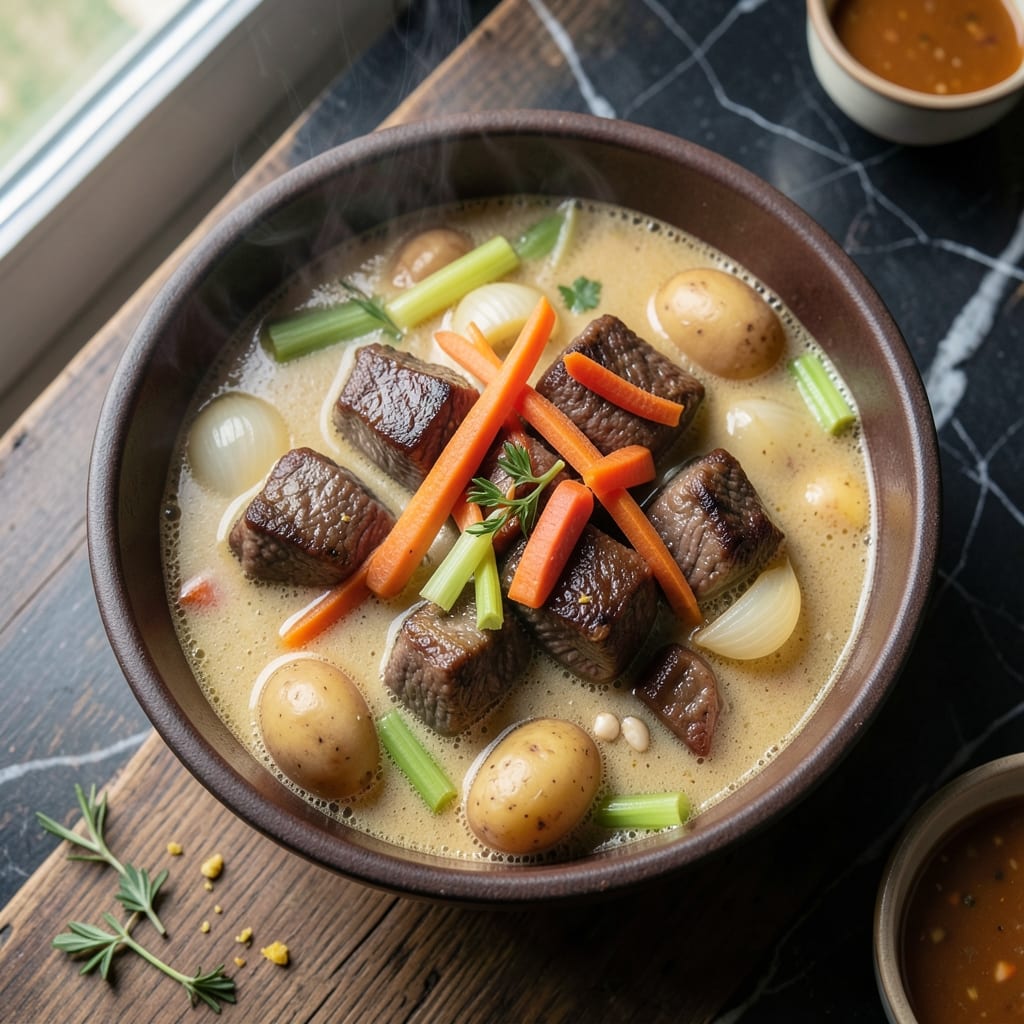
Basic vegetable beef soup recipe transforms simple ingredients into a comforting, one-pot meal that warms the soul and fills the kitchen with inviting aromas. The secret lies in browning the beef for deep flavor and letting vegetables simmer until tender—no fancy techniques required. This soup delivers hearty satisfaction in just 30 minutes, making it perfect for busy weeknights when you crave a home-cooked meal without the fuss.
What sets this recipe apart is its adaptability—swap in seasonal vegetables like carrots, celery, or potatoes without sacrificing balance. The beef provides protein and richness, while the vegetables add texture and nutrients. A well-seasoned broth ties everything together, creating a soup that tastes like a hug in a bowl. The one-pot method ensures minimal cleanup, so you can focus on enjoying the process instead of washing dishes.
By the time you’re done, you’ll have a steaming pot of soup with tender beef chunks, perfectly softened vegetables, and a flavorful broth that’s rich but not heavy. The aroma alone will have everyone gathering around the table, and the first spoonful delivers on that comforting promise. Serve with crusty bread to soak up every last drop—this is the kind of meal that feels like coming home.
Whether you’re feeding a family or meal prepping for the week, this soup scales effortlessly. The ingredients are simple, but the results are anything but basic. Let’s get cooking—your taste buds (and your dinner guests) will thank you.
Ingredients for basic vegetable beef soup
Pantry staples meet protein power for a soup that's simple yet deeply satisfying.
| Ingredient | Amount | Notes |
|---|---|---|
| Beef Chuck Roast 🥩 | 1 lb | Cut into 1-inch cubes |
| Yellow Onion 🧅 | 1 whole | Diced, medium size |
| Carrots 🥕 | 4 medium | Peeled, chopped into rounds |
| Celery Stalks 🧄 | 3 whole | Chopped, including leaves |
| Russet Potatoes 🥔 | 2 medium | Peeled, cubed evenly |
| Garlic Cloves 🧄 | 4 cloves | Minced for depth |
| Tomato Paste 🍅 | 2 tbsp | Squeeze tube preferred |
| Beef Broth 💧 | 4 cups | Low-sodium preferred |
| Dried Thyme 🌿 | 1 tsp | Or 1 tbsp fresh |
| Bay Leaves 🌿 | 2 whole | Remove before serving |
| Salt 🧂 | 1 ½ tsp | Diamond Crystal preferred |
| Black Pepper 🌶️ | ½ tsp | Freshly cracked |
| Olive Oil 🫒 | 2 tbsp | For browning beef |
| Fresh Parsley 🌿 | ¼ cup | Chopped for garnish |
The beef is where the magic starts. Chuck roast gives you that perfect balance of tenderness and flavor—sirloin stays tough. Look for good marbling at Costco or your local butcher if you want to splurge, but the pre-cubed beef section at Kroger or Walmart works just fine. The potatoes? Russet or Yukon Gold both work, but Yukon Golds hold their shape better. Carrots and celery are your flavor base—don't skimp on freshness here. Wilting or rubbery veggies mean your soup will taste like it's been sitting too long. The tomato paste? Grab the squeeze tube from Trader Joe's—no waste, and it keeps forever.
No beef broth? Chicken broth plus 1 tbsp soy sauce works in a pinch, though the flavor won't be identical. Fresh thyme is ideal, but dried at one-third the amount gets you close. The bay leaves? Don't skip them—they add that subtle earthiness that makes homemade soup taste restaurant-quality. Short on parsley? Fresh basil or cilantro works too. The olive oil matters here—use something with good peppery notes, not the cheap stuff. And if you're prepping ahead, brown the beef first—it makes all the difference in flavor development.
This soup tastes even better the next day—make extra. Store in the fridge for 4-5 days or freeze for 3 months. I always portion mine into 4 meal-prep containers so lunches are sorted for the week. The beef will get even more tender as it sits, and the flavors meld beautifully. To reheat, just add a splash of water or broth—it'll warm through perfectly. And if you've got crusty bread? You're in heaven.
Why You'll Love This Recipe
- One-Pot Wonder: I swear by this—just dump everything in one pot, let it simmer, and walk away. No fancy techniques, no last-minute scrambling for extra bowls. The chuck roast practically falls apart on its own, and the carrots and celery soften just right without turning to mush.
- Deep Umami Magic: That beefy broth? Chef’s kiss. The slow-cooked chuck roast releases all its rich, savory goodness into the broth, while the onions caramelize just enough to add a sweet, layered depth. Add a splash of soy sauce or Worcestershire, and you’ve got flavor that sticks with you.
- Leftovers That Don’t Suck: Between us, most soups turn into sad, watery meals by day three. Not this one. The potatoes stay hearty, the beef stays tender, and the broth only gets better as it sits. I make a double batch on Sundays and eat it for lunch all week—no takeout needed.
- Budget Meal for Busy Nights: A pound of chuck roast stretches farther than you’d think, and the veggies (onion, carrots, celery, potatoes) are the kind you can grab on sale and use for days. Honestly, it’s the kind of meal that makes me feel like I’m feeding a crowd without breaking the bank—or my patience.
Step-by-step instructions for vegetable beef soup
Here's how to create a rich, hearty vegetable beef soup that simmers together in one pot.
Sear the Beef Chuck Roast for Deep Flavor
Heat the 2 tablespoons olive oil in a large Dutch oven over medium-high heat. Add the 1 lb beef chuck roast, cut into 1-inch cubes, and sear for 4-5 minutes until deep brown on all sides. You're building flavor here - don't rush this step or the soup will taste bland.
Real talk: I press down gently on the beef cubes during the first minute to prevent them from curling and ensure even contact with the pan. Once browned, remove the beef and set aside on a plate - we'll add it back later when the vegetables are tender.
Sauté the Vegetable Base
In the same Dutch oven, add the diced yellow onion, chopped carrots, celery stalks, and minced garlic cloves. Cook for 5-6 minutes until the vegetables soften and the onion becomes translucent. You'll smell that sweet, aromatic base developing - this is the foundation of your soup's flavor.
Here's the thing - I like to stir occasionally but not constantly. The vegetables should have space to brown slightly at the edges, which adds depth to the final soup. If the vegetables start sticking, just add a splash of beef broth to deglaze and keep everything moving.
Build the Soup Foundation
Stir in the 2 tablespoons tomato paste, 1 teaspoon dried thyme, 1.5 teaspoons salt, and 0.5 teaspoon black pepper. Cook for 1 minute to toast the spices and let the tomato paste develop its rich flavor. Then pour in the 4 cups beef broth and add the 2 whole bay leaves. Bring everything to a gentle simmer.
This is where the magic happens - the tomato paste helps thicken the soup slightly while adding umami depth. The bay leaves will infuse subtle earthy notes that elevate the entire dish. Don't skip this step - it's what transforms simple ingredients into something extraordinary.
Cook the Potatoes and Finish the Soup
Add the peeled and cubed russet potatoes to the pot. Return to a simmer and cook for 15-18 minutes until the potatoes are fork-tender and the beef is fork-tender when tested. The soup should have thickened slightly from the starch released by the potatoes.
I know it seems like a long time, but patience pays off here. The potatoes should be completely tender with no resistance when pierced. If the soup looks too thick, you can add a splash more broth to reach your preferred consistency. The beef should be falling apart easily at this point.
Garnish and Serve Warm
Remove the bay leaves and stir in the 0.25 cup chopped fresh parsley. Taste and adjust seasoning if needed - sometimes the beef needs an extra pinch of salt or a crack of pepper. Ladle the soup into bowls and serve immediately while steaming hot.
This soup tastes even better the next day when flavors have had time to meld, but it's at its most comforting fresh from the pot. The combination of tender beef, sweet vegetables, and rich broth makes this a perfect one-pot meal that's simple to prepare but feels like a restaurant-quality dish.
Pro Tips For Making Basic Vegetable Beef Soup
- SEAR THE BEEF FIRST: I learned this the hard way—skipping the sear means flavorless broth. Pat the chuck roast dry, then brown it in a hot pot with 1 tablespoon of oil before adding anything else. The crust locks in juices and deepens the meat’s taste as it cooks low and slow.
- CUT POTATOES EVENLY: Uneven potatoes mean some mushy, some hard. Cut them into 1.5-inch chunks (about the size of a golf ball) so they cook through at the same rate. Russets break down fast—start them in the last 20 minutes if you want them tender but not falling apart.
- DON’T BOIL THE VEGETABLES: After adding onions, carrots, and celery, bring the soup to a gentle simmer—not a rolling boil. Too much heat turns the carrots mealy and the celery bitter. Cover and let it bubble softly, or the broth will turn cloudy and the flavors will dull.
- USE COLD WATER FOR POTATOES: I was skeptical until I tried it: Add the potatoes to cold soup, then heat gradually. This keeps them from absorbing too much liquid too fast, so they stay firm and creamy rather than turning to mush. (Yes, even if you’re impatient like me.)
Troubleshooting this dish
Mushy Vegetables
If your carrots or celery turn out mushy instead of tender, you likely overcooked them. Start checking for doneness 5 minutes before the recipe's suggested time—potatoes should yield easily to a fork. For extra insurance, add 1 extra potato (peeled and cubed) if your batch is small, as they absorb excess moisture. 🥔
Bland Broth
Bland soup usually means insufficient browning or seasoning. Always sear the beef until deeply browned—this creates the Maillard reaction for rich flavor. If your broth tastes flat, stir in 1 teaspoon soy sauce or ½ teaspoon Worcestershire sauce at the end. A splash of red wine (about ¼ cup) during cooking also adds depth.
Beef Too Tough
Tough beef often means it didn’t cook long enough or was cut too large. Use 1-inch cubes or smaller for even cooking. For extra tenderness, add the beef back to the pot 10 minutes before the vegetables are done. If it’s still tough, simmer with 1 extra bay leaf and ½ teaspoon smoked paprika for another 10 minutes—this helps break down fibers.
Overly Thick Soup
If your soup is too thick, it’s likely from overcooked potatoes. Thin it with ½ cup warm beef broth or water, stirring until smooth. For a creamier texture without dairy, mash 1 extra potato into the soup with a fork before serving. Avoid adding cold liquid—it can cause the soup to separate.
Burnt Onions
Burnt onions happen when you walk away from the pan. Keep the heat at medium-low while sautéing vegetables and stir every 2-3 minutes. If they start to brown too quickly, reduce heat to low and add a splash of broth to deglaze. A wooden spoon helps prevent sticking better than metal.
Uneven Cooking
Uneven cooking often means crowded pots or inconsistent heat. Use a 6-quart Dutch oven for this recipe—it gives ingredients room to cook evenly. If your pot is too small, cook in batches: sauté the vegetables first, then remove half before adding the potatoes and beef. Stir occasionally to distribute heat evenly. 🔥
Nutrition facts
Frequently asked questions
Can I use ground beef instead of cubed beef chuck?
You can, but the texture will be different. Ground beef works best for a thicker, meatier soup—just brown it thoroughly over medium-high heat for 5-6 minutes until fully cooked. For a heartier version, add ½ cup beef broth to deglaze the pan after browning. The soup will be more like a stew, but still delicious!
What vegetables can I swap in for carrots or celery?
This soup is incredibly flexible! Try zucchini or green beans for freshness, mushrooms or bell peppers for umami, or turnips or parsnips for heartier flavors. Just adjust cooking time—most veggies take 8-12 minutes to tenderize. Keep the total vegetable volume similar to maintain balance.
How do I make this soup spicier?
Add ½ teaspoon cayenne pepper or 1 teaspoon chili flakes when sautéing the vegetables. For depth, stir in 1 teaspoon smoked paprika with the tomato paste. Finish with a dash of hot sauce or a sprinkle of red pepper flakes before serving.
Can I make this soup in an Instant Pot?
Sauté the beef and vegetables as directed, then add all remaining ingredients (except parsley) and cook on high pressure for 12 minutes. Let the pressure release naturally for 10 minutes, then stir in parsley. The Instant Pot version cooks 30% faster while keeping flavors rich and tender.
Why does my soup taste better the next day?
The flavors deepen as the broth absorbs the beef's juices and the vegetables release more starches. The potatoes also become creamier after resting. Store in an airtight container in the fridge for up to 5 days. Reheat gently on the stove with a splash of broth to restore steaminess.