
Soups & Stews
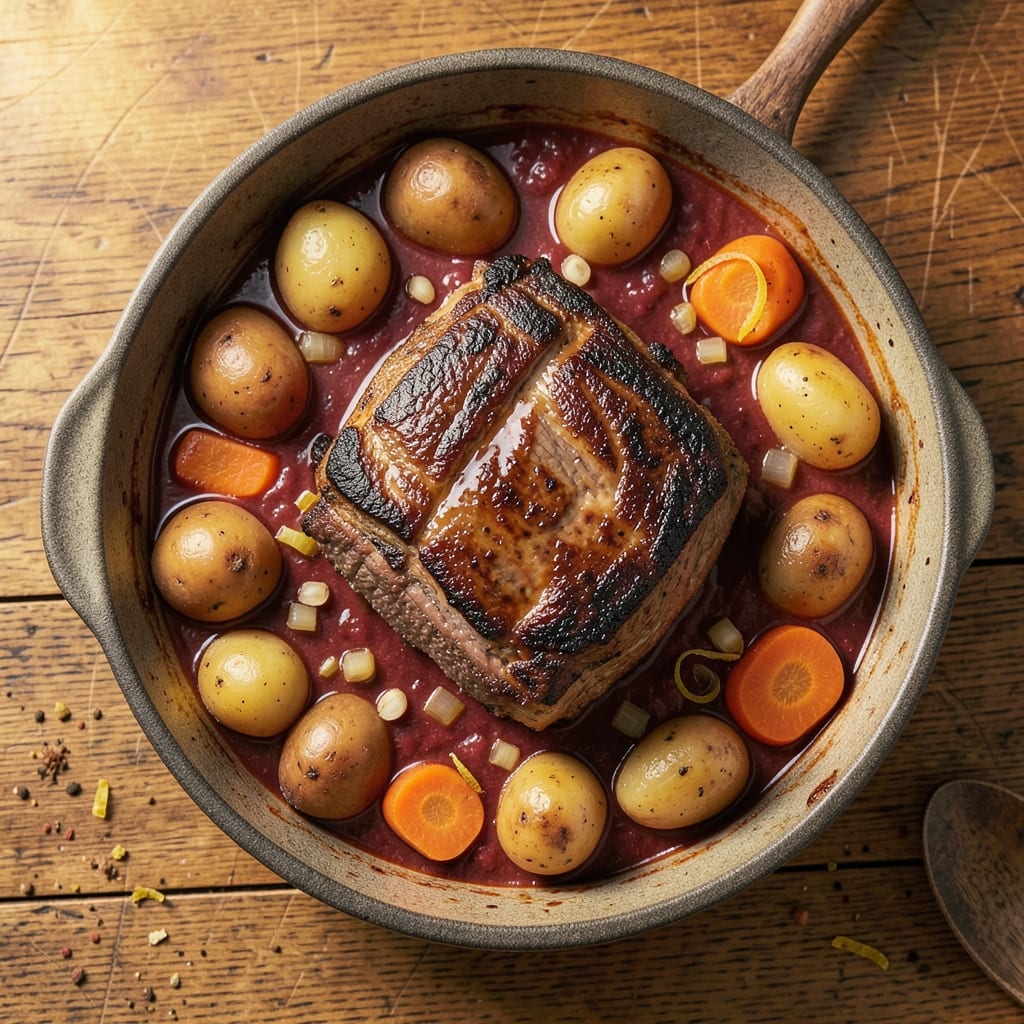
This basic beef stew recipe without wine delivers deep, rich flavor through slow-braised beef and caramelized vegetables—no wine required. The secret lies in a robust beef stock base and aromatic herbs that build complexity over time, creating a hearty simmer that feels both comforting and restaurant-worthy. What sets this version apart is its reliance on vinegar and umami-rich ingredients like soy sauce, ensuring the same depth without alcohol.
Using tougher cuts of beef like chuck roast transforms them into fork-tender perfection through low-and-slow cooking, while root vegetables like carrots and potatoes develop natural sweetness as they caramelize. The technique is straightforward: brown the meat thoroughly for maximum flavor, then simmer uncovered to develop a rich, velvety sauce. This method guarantees a stew that tastes like it's been simmering for hours—even if you're short on time.
By the time it's done, you'll have a deeply flavorful stew with melt-in-your-mouth beef, tender vegetables, and a sauce that clings to every bite. The aroma alone will have everyone gathering at the table, and the leftovers reheat beautifully—making it perfect for meal prep or feeding a crowd. Serve with crusty bread to soak up every last drop of that umami-rich broth.
The beauty of this recipe is its versatility. Swap in different vegetables based on what's seasonal, or adjust the herbs to suit your taste. It's the kind of dish that improves with time, rewarding patience with layers of flavor that turn a simple weeknight dinner into a memorable meal. Let's get started on creating this comforting classic.
Ingredients for basic beef stew recipe without wine
Sixteen ingredients transform simple beef and vegetables into a restaurant-worthy umami-rich stew without wine.
| Ingredient | Amount | Notes |
|---|---|---|
| Chuck Roast 🥩 | 3 lb | Tough cut for fork-tender results |
| Yellow Onion 🧅 | 2 whole | Diced, medium size preferred |
| Carrots 🥕 | 4 whole | Medium, peeled and chopped |
| Russet Potatoes 🥔 | 2 lb | Cut into 2-inch chunks |
| Garlic Cloves 🧄 | 6 cloves | Minced, fresh preferred |
| Tomato Paste 🍅 | ½ cup | Squeeze tube or canned |
| Beef Stock 🥫 | 4 cups | Homemade or high-quality store-bought |
| Apple Cider Vinegar 🍎 | 2 tbsp | Adds tangy depth without wine |
| Soy Sauce 🍜 | 2 tbsp | For umami richness |
| Fresh Thyme 🌿 | 1 tbsp | Leaves only, chopped |
| Fresh Parsley 🌿 | ¼ cup | Chopped, for garnish |
| Olive Oil 🫒 | 2 tbsp | For searing meat |
| Salt 🧂 | 1 ½ tsp | Kosher or sea salt |
| Black Pepper 🌶️ | 1 tsp | Freshly ground |
| Bay Leaves 🌿 | 2 whole | Dried, for aroma |
The chuck roast is non-negotiable for this stew—its tough fibers break down beautifully during long simmering, creating melt-in-your-mouth texture. Look for cuts with good marbling at Whole Foods or your local butcher shop, where they can trim excess fat for you. If using pre-packaged roasts from the grocery store, check for USDA Choice or Select grading, which ensures consistent quality. For maximum flavor, pat the meat dry before searing, as moisture prevents proper browning—the foundation of this recipe's depth. The yellow onions should be firm and free of sprouts, while carrots should be bright orange with crisp ends, indicating freshness. Russet potatoes work best for their fluffy texture when cooked, but Yukon Golds add a touch of creaminess if you prefer.
No beef stock on hand? Homemade chicken stock works in a pinch, though it'll lack the deep umami of beef. The apple cider vinegar is essential for brightening the stew without wine's alcohol—substitute with red wine vinegar if needed, but reduce to 1.5 tbsp to avoid over-acidifying. For the tomato paste, squeeze tubes from Trader Joe's are convenient and last longer than canned versions. Fresh herbs like thyme elevate the dish, but dried thyme at one-third the amount suffices if fresh isn't available. The soy sauce adds umami depth; coconut aminos make a lighter alternative. When mincing garlic, remove the germ (the green part) to avoid bitterness—it's the tiny center of each clove.
This stew tastes even better the next day as flavors meld, so double the batch if feeding a crowd. Store leftovers in airtight containers for up to 4 days in the fridge or 3 months in the freezer. To reheat, simmer on the stove over medium heat for 10-15 minutes, stirring occasionally, until heated through. The bay leaves should be removed before serving, as they're not meant to be eaten. For meal prep, portion into individual containers with a scoop of broth—freeze flat for easy stacking. The olive oil used for searing can be reused once or twice for other high-heat cooking before discarding, as it carries deep meat flavors.
Why You'll Love This Recipe
- One-Pot Magic: I swear by this—dump everything in a single pot, walk away, and come back to perfectly tender beef and potatoes. No fancy layers, no stress.
- Deep Umami Hit: That chuck roast? It melts into the broth, rich and savory, while the onions and garlic caramelize just enough to give it a real depth—no wine needed.
- Weeknight to Party: Make it for Tuesday dinners or double the batch for Sunday suppers. The leftovers taste just as good reheated, and it’s the kind of dish that makes you look like a hero.
- Budget Hero: Chuck roast stretches so far, and the veggies are cheap but add serious heartiness. I’ve fed four people for under $15—no guilt, all flavor.
Step-by-step instructions for perfectly simmered beef stew
This method transforms tough chuck roast into fork-tender perfection through precise searing and slow braising.
Sear the Chuck Roast for Deep Flavor
Pat the 3 lb chuck roast dry with paper towels and season generously with 1.5 tsp salt and 1 tsp black pepper on all sides. Heat 2 tbsp olive oil in a large Dutch oven over medium-high heat until shimmering. Place the meat in the pan and sear for 4-5 minutes per side, pressing gently with a spatula during the first minute to prevent curling. You're building a flavorful crust that will dissolve into the stew during cooking.
Once browned on all sides, remove the roast and set it aside. The pan should have a rich, caramelized layer of browned meat juices - this is the foundation of your stew's depth. Don't wipe out the pan; those bits are pure flavor.
Develop the Aromatic Base
In the same Dutch oven, add the diced 2 whole yellow onions and cook over medium heat for 8-10 minutes until softened and beginning to caramelize. Add the peeled and chopped 4 whole carrots and cook for another 5 minutes, stirring occasionally. The vegetables should release moisture and develop a golden hue.
Stir in the minced 6 cloves garlic and cook for 30 seconds until fragrant. Add the 0.5 cup tomato paste and cook for 2 minutes, stirring constantly to prevent burning. This step creates the rich, concentrated base that will carry the stew's flavors.
Build the Umami-Packed Broth
Pour in the 4 cups beef stock, scraping up any browned bits from the bottom of the pan. Add the 2 tbsp apple cider vinegar and 2 tbsp soy sauce, stirring to combine. The acidity from the vinegar brightens the flavors while the soy sauce adds umami depth without wine. Return the chuck roast to the pot, along with the 2 whole bay leaves and 1 tbsp chopped fresh thyme.
Bring the mixture to a gentle simmer over medium-low heat. The liquid should bubble softly at the edges but not vigorously. This controlled simmer is crucial - it prevents the meat from toughening. Cover the pot and let it cook for 1 hour 30 minutes, turning the roast occasionally.
Add Potatoes and Complete the Braise
After the initial braising time, add the 2 lb russet potatoes cut into 2-inch chunks. Stir gently to distribute them throughout the liquid. Return to a simmer, cover, and cook for an additional 1 hour 15 minutes. The potatoes should be tender when pierced with a fork, and the chuck roast should easily pull apart with two forks.
Check the seasoning and adjust if needed. The stew should be rich but not overly salty. Remove the bay leaves before serving. The meat should have a deep, caramelized exterior and be fork-tender throughout, while the vegetables maintain their structure but are easily pierced.
Finish and Serve with Fresh Herbs
Remove the stew from heat and let it rest for 10 minutes. This resting period allows the flavors to meld and the juices to redistribute. Before serving, stir in the 0.25 cup chopped fresh parsley. The bright green color and fresh flavor provide a beautiful contrast to the rich stew.
Ladle the stew into bowls, making sure each serving contains both meat and vegetables. The perfect beef stew should have a rich, velvety sauce that coats the back of a spoon, tender meat that falls apart easily, and vegetables that are cooked just until tender. Serve immediately with crusty bread to soak up every last drop.
Pro Tips For Making Basic Beef Stew Recipe Without Wine
- SEAR THE CHUCK ROAST: After browning the onions and garlic, pull the pan off heat and wipe it clean with a paper towel—this prevents the chuck from steaming instead of searing. High heat for 3-4 minutes per side until deep brown, not just pink; that crust locks in flavor and keeps the meat tender. I learned this the hard way when my stew tasted bland because the meat barely colored.
- CUT POTATOES UNIFORM: Russets break apart when overcooked, so slice them into 1.5-inch chunks—big enough to hold shape but small enough to soften in the same time as the carrots. If you’re impatient like me, skip peeling them; the skins add texture and nutrients, but scrub them well first.
- ADD CARROTS LAST: Toss the carrots in after the potatoes and meat have simmered for 45 minutes—they’ll stay crisp-tender instead of turning to mush. I used to add them all at once, and my stew always had one texture: sad, overcooked veggies.
- SALT THE LIQUID: The broth needs salt too, not just the meat—add 1 teaspoon per quart of water or stock halfway through cooking. The potatoes soak up flavor like sponges, and if the liquid tastes bland, the whole dish will. Trust me, I’ve eaten stew where the broth was nearly tasteless.
Essential equipment for perfect results
Dutch Oven Essentials
A heavy-duty Dutch oven is the only pot for this recipe—its thick base and tight lid ensure even heat distribution and moisture retention. I recommend the Le Creuset 6-quart for its even cooking and durability, but All-Clad Stainless Steel is a great budget-friendly alternative. The lid should fit snugly to trap steam during braising, which keeps the meat tender and vegetables flavorful. 🥘
Meat Thermometer
Invest in a digital instant-read thermometer like the Thermoworks ThermoPop to monitor the stew's internal temperature. The beef should reach 203°F for perfect tenderness, while potatoes are done at 210°F. I check the thickest part of the roast without touching the bone for an accurate reading. This prevents overcooking and ensures melt-in-your-mouth results.
Sharp Knife Set
A high-quality chef's knife (like the Wüsthof Ikon) and paring knife are essential for precise chopping. Dice onions into ¼-inch pieces and carrots into ½-inch chunks for even cooking. A sharp knife ensures clean cuts and safer handling. I also keep a cutting board with a juice groove to catch drips and prevent slipping—OXO Good Grips is my go-to for stability.
Wooden Spoon
Use a heat-resistant wooden spoon (preferably maple or beech) to stir the stew without scratching the Dutch oven. Wood distributes heat evenly and won’t react with acidic ingredients like metal utensils. I avoid plastic spoons—they melt under high heat and can leach chemicals into your food. A long-handled spoon also helps with stirring without burning your hands.
Fine-Mesh Strainer
A stainless steel fine-mesh strainer (like the OXO Good Grips) comes in handy for skimming excess fat from the stew after cooking. I remove about 2-3 tablespoons of fat to lighten the dish slightly while preserving flavor. This step is optional but recommended for a healthier version without sacrificing taste. Store the strainer in your kitchen for future use with soups and broths. 🧼
Nutrition facts
Frequently asked questions
Can I substitute beef stock with another type of broth?
Yes, you can use chicken stock in a pinch, but it will lack the deep umami flavor that beef stock provides. For a vegetarian option, mushroom broth works well—just add an extra 1 tbsp soy sauce to boost umami. Avoid vegetable broth alone, as it won't have enough richness for a hearty stew. The key is balancing the broth's depth with the other flavor components like vinegar and tomato paste.
Why does my beef stew turn out watery?
Watery stews usually happen from one of three issues: using too much liquid, not enough cooking time, or adding potatoes too early. Start with 4 cups of broth and simmer uncovered for 10-15 minutes at the end to reduce excess liquid. Add potatoes only after the beef has braised for 1 hour 30 minutes—they release starch that thickens the stew naturally. If it's still too thin, simmer uncovered for another 10 minutes to evaporate excess moisture.
What's the best way to make this stew more flavorful without wine?
Boost umami with 2 tbsp Worcestershire sauce (check for wine-free versions) or 1 tbsp fish sauce for extra depth. A ½ tsp smoked paprika adds warmth, while 1 tsp balsamic vinegar replaces the wine's acidity. For meaty flavor, use ½ cup beef bouillon powder instead of plain stock. The key is layering these ingredients during the braising process to let flavors meld.
Can I use ground beef instead of chuck roast?
Ground beef won't work for this recipe because it lacks the connective tissue needed for tender, fork-shank results. The chuck roast's fat and collagen break down during long cooking, creating a rich sauce and melt-in-your-mouth texture. If you're short on time, try stew meat (often sold as "cubed beef for stew")—it's pre-cut for this purpose. For ground beef alternatives, consider making a beef and vegetable hash instead.
How long can I store leftovers safely?
Store leftovers in an airtight container in the refrigerator for up to 4 days. For longer storage, freeze portions in single-serving containers for up to 3 months. Thaw overnight in the fridge, then reheat gently on the stove over low heat** for 10-15 minutes, stirring occasionally. Never microwave from frozen—this can create uneven heating and ruin the texture.