
Soups & Stews
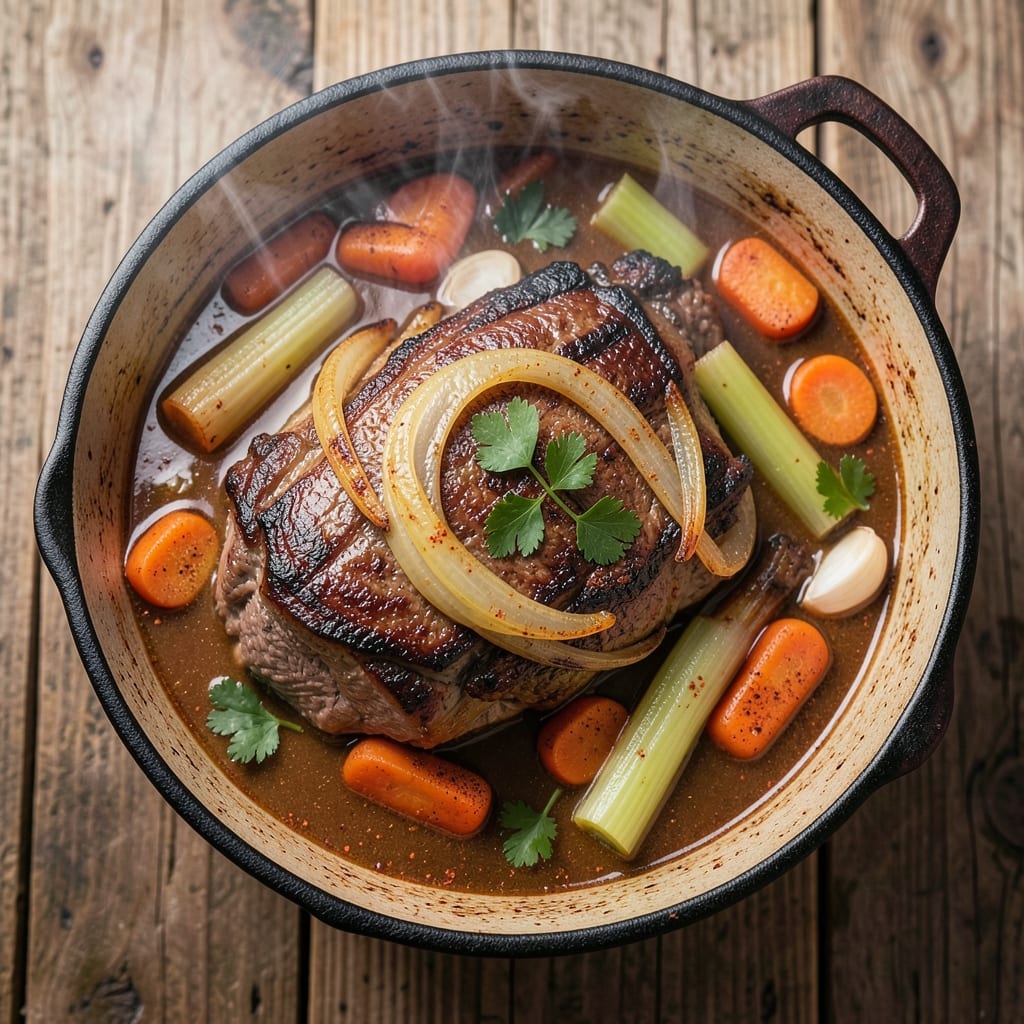
This barbecue beef stew recipe delivers the deep, smoky flavor of a pitmaster's dream with tender beef that practically melts in your mouth. After years of perfecting slow-smoked techniques, I've created a stew that balances rich barbecue flavors with the heartiness of a classic braise—no smoker required. The secret lies in a two-stage cooking process that builds layers of flavor while keeping the meat incredibly tender.
The foundation starts with a well-seasoned chuck roast—smoked paprika, thyme, and a touch of cayenne give it that signature barbecue depth before it even hits the pot. Then, slow-cooked with aromatic vegetables and a rich broth, the beef becomes fork-tender while absorbing all those smoky, savory flavors. This isn't just stew; it's a meal that transforms tough cuts into something luxurious, with every bite packed with that perfect balance of smokiness and comfort.
What you'll end up with is a rich, velvety stew where the beef falls apart at the touch of a fork, the vegetables are perfectly tender, and the broth is infused with all the smoky, spiced goodness. The aroma alone will have everyone gathering around the table—it's the kind of dish that feels like a hug in a bowl. Serve it with crusty bread or mashed potatoes to soak up every last drop of that flavorful broth.
This recipe works equally well in a Dutch oven on the stove or in a slow cooker, making it perfect for weeknight dinners or weekend gatherings. The beauty of it is that while it takes time to develop those deep flavors, the actual hands-on work is minimal—just season, sear, and let the slow cooking do the magic. Let's get started on creating this showstopping stew.
Ingredients for barbecue beef stew
Pantry staples meet smoky magic for this unbeatable beef stew.
| Ingredient | Amount | Notes |
|---|---|---|
| Chuck Roast 🥩 | 2 lb | With good marbling for tenderness |
| Yellow Onion 🧅 | 1 whole | Large, chopped into 1-inch pieces |
| Carrots 🥕 | 4 medium | Peeled, cut into 1-inch chunks |
| Celery Stalks 🥬 | 3 whole | Cut into 1-inch pieces |
| Garlic Cloves 🧄 | 6 cloves | Minced, for deep flavor |
| Smoked Paprika 🌶️ | 2 tbsp | For signature smoky depth |
| Ground Black Pepper 🌶️ | 1 tsp | Freshly cracked for heat |
| Cayenne Pepper 🔥 | ½ tsp | Adjust for desired heat level |
| Dried Thyme 🌿 | 1 tsp | Or 1 tbsp fresh thyme leaves |
| Beef Broth 💧 | 4 cups | Low-sodium preferred |
| Tomato Paste 🍅 | 2 tbsp | For rich, concentrated flavor |
| Olive Oil 🫒 | 2 tbsp | For searing the beef |
| Salt 🧂 | 1 ½ tsp | Kosher or sea salt |
| Dark Brown Sugar 🍯 | 1 tbsp | Balances smoky flavors |
The chuck roast is non-negotiable here—it's the only cut with enough fat and connective tissue to become fork-tender. Costco or Whole Foods usually have it pre-cut into chunks, which saves time. Look for pieces with good marbling (little white streaks of fat)—that's what keeps the meat juicy. If you're buying a whole roast, ask the butcher to cut it into 1.5-inch chunks. For the vegetables, I grab organic carrots and celery from the store's produce section—they hold up better during long cooking. Fresh thyme is ideal, but dried works in a pinch (just use one-third the amount).
No smoked paprika? Substitute with a mix of regular paprika and a pinch of liquid smoke—about half a teaspoon of smoke per tablespoon of paprika. Tomato paste can be swapped for crushed tomatoes (use 1 cup), but paste gives you that concentrated umami punch. The dark brown sugar might seem odd, but it cuts through the smokiness beautifully. For extra depth, Trader Joe's has a great beef broth that's low-sodium and packed with flavor. If you're short on time, baby carrots work just as well as regular ones—no peeling required. The garlic can be roasted for 10 minutes at 350°F before mincing (trust me, it's sweeter and more flavorful).
This stew tastes even better the next day as all the flavors meld together. Store leftovers in an airtight container in the fridge for up to 5 days, or freeze for 3 months. I like to portion it into individual containers so I can grab a lunch for work—just reheat with a splash of water or broth. The vegetables will soften further when reheated, so keep that in mind if you're serving it immediately. For extra richness, stir in a spoonful of the cooking broth when reheating.
Why You'll Love This Recipe
- Hands-Off Cooking: I swear by this stew because it’s the kind of meal that lets you walk away. Chuck roast and onions slow-cook into tender perfection while you handle other things—no stirring required. The celery and carrots soften just enough to melt into the sauce, and the garlic? It infuses the whole pot without you having to babysit it.
- Smoky Depth Magic: That barbecue rub isn’t just for grilling—it transforms this stew into something rich and complex. The chuck roast absorbs the smoky, slightly sweet flavors, while the garlic cloves roast right in the pot, adding layers of warmth. It’s the kind of taste that makes you want to eat it straight from the spoon.
- Weeknight to Potluck: This stew is my secret weapon for busy nights and big gatherings. Double the batch, and you’ve got leftovers for lunches all week—no sad desk salads here. Bring it to a dinner party, and it’s the dish everyone asks for seconds on. (Yes, even the picky eaters.)
- Budget-Friendly Powerhouse: Chuck roast is cheap, but it doesn’t taste cheap—it turns into something luxurious. A single pot feeds a family for days, and the veggies stretch the meal further without sacrificing flavor. Honestly, it’s one of those rare recipes where you actually get more value than you put in.
Step-by-step instructions for slow-smoked beef stew
Here's how to transform tough chuck roast into melt-in-your-mouth beef with deep smoky flavor.
Sear the Chuck Roast for Maximum Flavor
Heat a large Dutch oven over medium-high heat until hot. Add the 2 tablespoons olive oil and let it shimmer for 30 seconds. Pat the 2 lb chuck roast dry with paper towels—this ensures a proper sear. Place the roast in the pot and sear on all sides until deeply browned, about 4-5 minutes per side. You're building flavor here, so don't rush this step.
Once browned, remove the roast and set it aside. The goal is to develop a rich, caramelized crust that will infuse the stew with deep, meaty flavor. If the oil starts smoking excessively, reduce the heat slightly but maintain that steady sizzle. This sear is the foundation of your stew's complexity.
Build the Flavor Base with Aromatics
In the same Dutch oven, add the chopped 1 whole yellow onion, 4 medium carrots cut into chunks, and 3 whole celery stalks cut into pieces. Cook for 5-6 minutes, stirring occasionally, until the vegetables begin to soften and the onions turn translucent. This process releases their natural sweetness and forms the flavor backbone of your stew.
Add the 6 minced garlic cloves and cook for another 30 seconds until fragrant. Here's where it gets good—sprinkle in the 2 tablespoons smoked paprika, 1 teaspoon ground black pepper, 0.5 teaspoon cayenne pepper, and 1 teaspoon dried thyme. Stir everything together and cook for 30 seconds to toast the spices and deepen their flavors. The spices should smell warm and aromatic—this is your cue to move forward.
Create the Stew Foundation
Stir in the 2 tablespoons tomato paste and cook for 1 minute to remove any raw taste. Pour in the 4 cups beef broth and scrape up any browned bits from the bottom of the pot—these bits are packed with flavor. Return the seared chuck roast to the pot, along with the 1.5 teaspoons salt and 1 tablespoon dark brown sugar. The sugar helps balance the smoky flavors and adds a subtle caramelization as the stew simmers.
Bring everything to a gentle boil, then reduce the heat to low. The stew should bubble softly—if it boils vigorously, the liquid will evaporate too quickly. Cover the pot and let it simmer for 2 hours, stirring occasionally. This slow cooking breaks down the tough connective tissue in the chuck roast, transforming it into tender, fork-tender beef.
Finish and Rest for Perfect Texture
After 2 hours, check the stew. The beef should be fork-tender, with no resistance when pierced. If it's not quite there, continue simmering for another 30 minutes to 1 hour, covered. The vegetables should be tender but still hold their shape. Taste the stew and adjust the seasoning if needed—you might need a bit more salt or pepper to balance the flavors.
Once the beef is tender, let the stew rest for 15-20 minutes off the heat. This resting period allows the flavors to meld and the juices to redistribute throughout the stew. Serve it hot, with crusty bread to soak up every last bit of that rich, smoky broth. The result? A hearty, comforting stew that tastes even better the next day.
Pro Tips For Making Barbecue Beef Stew
- SEAR THE CHUCK FIRST: I learned this the hard way—skipping the sear means flavorless, gray meat no matter how long you simmer. Pat the roast dry, then hit it with high heat in a heavy pot for 3-4 minutes per side until deep brown. The crust locks in juices and carries that smoky, caramelized depth straight to your stew.
- CHOP ONIONS SMALL: Big chunks of onion turn to mush and make the stew look messy. Dice them into ¼-inch pieces so they soften evenly without disappearing. Same goes for celery—smaller bits mean faster cooking and no weird crunchy surprises. (Yes, even if you’re impatient like me.)
- DON’T CROWD THE POT: After searing, let the meat rest for 5 minutes before adding liquid—this prevents a sad, watery stew. And when you add veggies, give them space. Tight packing steams them instead of browning, and you’ll end up with sad, pale carrots instead of tender, caramelized ones.
- USE GARLIC BUTTER: Sounds weird, but it works: Melt 2 tablespoons of butter in the pot after searing, then toss in 4 smashed garlic cloves. The fat carries flavor while the butter adds richness. Skip the oil-only route—your stew will taste flatter, and the garlic won’t release its sweetness properly.
Pro cooking tips for this dish
Smoke Infusion
For that authentic barbecue depth, I recommend adding a smoked salt blend—mix 1 teaspoon smoked paprika with ½ teaspoon kosher salt and sprinkle it directly on the seared beef before adding broth. This creates a flavor bomb that permeates the stew. If you have access to a smoker, try cold-smoking the chuck roast for 30 minutes before searing—just enough to impart that signature smokiness without overpowering the dish. 🌶️
Pressure Cooker Shortcut
For a 30-minute version, use an Instant Pot on high pressure for 20 minutes after searing. The high heat breaks down collagen faster, but you'll need to add ½ cup extra broth to prevent sticking. I find this method works best with pre-cut chuck roast chunks (about 1.5-inch pieces) for even cooking. Just
Vegetable Prep Matters
Don't skip the carrot and celery peeling—even if using organic produce. The skins can get tough after long cooking. For extra sweetness, roast the carrots at 400°F for 15 minutes before adding them to the stew. I also like to blanch the celery in boiling water for 2 minutes to soften it slightly before cooking—this prevents it from turning mushy later. 🥕
Broth Boost
Elevate your broth by adding 1 beef bouillon cube (like Knorr) or ½ cup red wine to the cooking liquid. For a homemade touch, simmer 2 sprigs fresh thyme and 1 bay leaf in the broth before adding the beef. If using store-bought broth, Swanson Premium or Pacific Foods brands have the richest flavor without excessive sodium. Always taste and adjust—broth quality makes or breaks a stew.
Two-Pot Technique
For extra-rich results, cook the stew in a heavy-bottomed pot until the beef is nearly tender, then transfer everything to a slow cooker on low for 2-3 hours. This two-stage method prevents the broth from evaporating too quickly while allowing the flavors to deepen. I use this when hosting dinner parties—it frees up stovetop space while keeping the stew warm and developing.
Garnish Like a Pro
Finish with fresh parsley or chopped chives for brightness, and a drizzle of hot honey to balance the smokiness. For a restaurant-worthy touch, sprinkle toasted breadcrumbs mixed with smoked paprika on top right before serving. The contrast of textures and temperatures makes each bite feel special—trust me, your guests will notice. 💫
Nutrition facts
Frequently asked questions
Can I use brisket instead of chuck roast?
Yes, but you'll need to adjust the cooking time. Brisket has more connective tissue, so it requires 3-4 hours of simmering to become tender. Cut it into 1.5-inch chunks and follow the same searing method. The flavor will be even richer, though slightly beefier.
How do I make this stew smokier without a smoker?
Add ½ teaspoon liquid smoke to the broth or sprinkle 1 extra tablespoon smoked paprika directly on the seared beef. For deeper flavor, toast 1 teaspoon coffee grounds with the spices before adding to the pot. The coffee adds a subtle smokiness that mimics charcoal.
Is this recipe suitable for a slow cooker?
Sear the beef first, then transfer everything to the slow cooker and cook on low for 8 hours or high for 4 hours. The slow cooker's gentle heat works perfectly for breaking down the meat. Just add ½ cup extra broth to prevent drying out. The flavors will meld beautifully.
What's the best way to reheat leftovers?
Gently reheat on the stovetop over low heat for 10-15 minutes, stirring occasionally. Avoid microwaving as it can make the beef tough. For extra richness, add a splash of beef broth or water. The stew tastes even better the next day as flavors deepen!
Can I make this gluten-free?
Yes! Use a gluten-free beef broth and check that your smoked paprika and bouillon cubes are certified gluten-free. The original recipe is naturally gluten-free except for potential cross-contamination in store-bought ingredients. Always verify labels when substituting.