
Main Courses
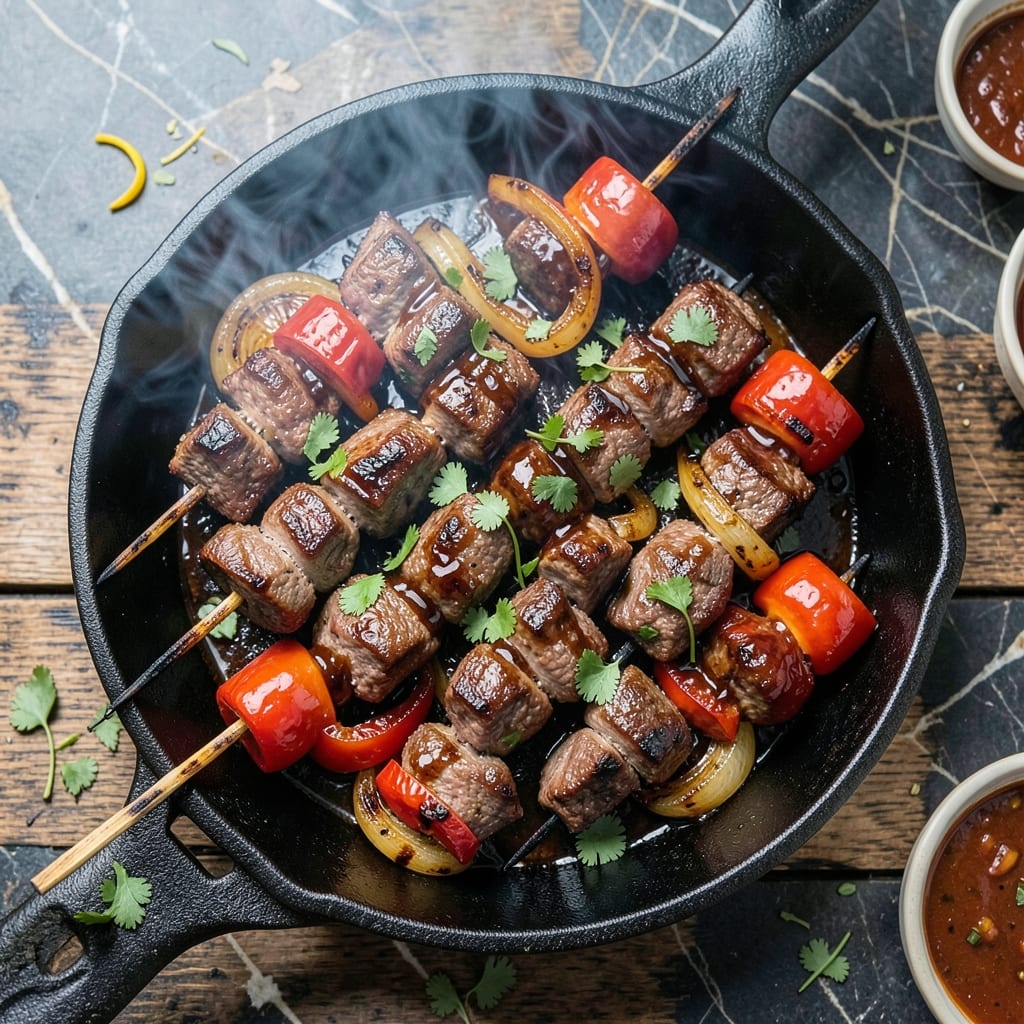
Barbecue beef kebabs transform weeknight dinners into smoky, charred masterpieces with minimal effort. I perfected this recipe after years of testing—juicy, tender beef cubes marinated in bold flavors, then grilled to crispy perfection on skewers. The secret lies in the marinade's balance of acidity and smokiness, which tenderizes while building depth. This isn't just another grill recipe; it's a flavor explosion that rivals restaurant-quality kebabs.
The process is straightforward but delivers restaurant-style results. You'll marinate thick-cut beef in a blend of soy sauce, garlic, and smoked paprika for at least 30 minutes (overnight for maximum tenderness), then thread onto skewers with bell peppers and onions. Grill over medium-high heat until the beef reaches 160°F internally, creating those coveted char marks while keeping the centers juicy. The key is maintaining consistent heat—no flare-ups, no burnt edges.
What you end up with is skewers that sizzle on the grill and melt in your mouth: caramelized edges, tender beef, and vegetables that blister slightly without burning. The smoky aroma alone will have everyone gathering around the grill, while the bold flavors make these kebabs a showstopper for dinner parties or casual weeknight meals. Serve with garlic naan and a cooling cucumber salad to balance the richness.
This recipe scales beautifully—double the marinade for a crowd, or keep it simple for two. The beauty of kebabs is their versatility: swap in shrimp for seafood lovers, or add pineapple for a tropical twist. Once you master this technique, you'll never buy pre-made skewers again. Let's get grilling!
Ingredients for barbecue beef kebabs
Juicy beef cubes, smoky marinade, and vibrant veggies—this is your grill game-changer.
| Ingredient | Amount | Notes |
|---|---|---|
| Thick-Cut Beef Chuck Roast 🥩 | 1 ½ lb | Cut into 1.5-inch cubes, trimmed of fat |
| Red Bell Peppers 🌶️ | 2 whole | Cut into 1.5-inch chunks, seeds removed |
| Yellow Onions 🧅 | 1 whole | Cut into 1.5-inch chunks, peeled |
| Wooden Skewers 🪵 | 8 whole | Soaked in water for 30 minutes |
| Extra-Virgin Olive Oil 🫒 | ¼ cup | For marinade and brushing |
| Soy Sauce 🍶 | ½ cup | Low-sodium preferred for balance |
| Garlic Cloves 🧄 | 6 cloves | Minced for marinade |
| Smoked Paprika 🌶️ | 2 tbsp | For smoky depth |
| Brown Sugar 🍯 | 2 tbsp | Light or dark works |
| Apple Cider Vinegar 🍎 | 2 tbsp | For tenderizing acidity |
| Ground Black Pepper 🌶️ | 1 tsp | Freshly cracked for heat |
| Kosher Salt 🧂 | 1 ½ tsp | Diamond Crystal preferred |
| Fresh Rosemary 🌿 | 1 tbsp | Chopped, for aroma |
| Garlic Naan 🍞 | 4 whole | Store-bought or homemade |
The beef is non-negotiable here. Thick-cut chuck roast breaks down beautifully on the grill, delivering that melt-in-your-mouth texture. Look for well-marbled cuts at Whole Foods or your local butcher—the fat renders down during grilling, keeping everything juicy. If you're using pre-cut beef, check for even-sized cubes (1.5 inches is perfect). The bell peppers and onions should be firm with no soft spots—Trader Joe's has great organic options, but any fresh produce section works. Soak those wooden skewers in water for at least 30 minutes to prevent burning on the grill.
No smoked paprika? Substitute half the amount with regular paprika plus a pinch of liquid smoke. Running low on apple cider vinegar? White vinegar or lemon juice works in a pinch, though the flavor profile shifts slightly. Fresh rosemary hard to find? Dried rosemary at one-third the amount is fine, but toast it in a dry pan for 30 seconds first to wake up the flavor. For the garlic, I always use fresh—minced by hand gives better texture than pre-minced jars. The marinade keeps for 5 days in the fridge, so make extra for future grilling sessions.
Marinated beef stays fresh for 2 days in the fridge—use within that window for best texture. The skewers can be prepped ahead and refrigerated, but assemble them no more than 2 hours before grilling to prevent sogginess. Leftover cooked kebabs reheat beautifully in a skillet with a splash of beef broth for 2-3 minutes. Store in an airtight container with parchment paper between layers to maintain moisture. These reheated skewers make killer sandwiches the next day—trust me on this.
Why You'll Love This Recipe
- Foolproof Skewering: I swear by the thick-cut chuck—it stays juicy and tender while the onions caramelize right on the grill. No fancy knife skills needed; just chunk it, thread it, and let the smoke do the work.
- Smoky Sweet Crunch: That charred bell pepper and caramelized onion combo? It’s like a hug for your taste buds. The beef’s rich, smoky depth pairs perfectly with the bright sweetness—no dry bites here.
- Weeknight or Weekend: Grill for dinner, pack for lunch—these kebabs handle both. I’ve served them at backyard BBQs and tossed them into salads the next day. The chuck’s flavor only gets better as it rests.
- Budget-Friendly Feast: A whole roast feeds a crowd, and the veggies stretch every dollar. Honestly, I’ve made these for 10 people and still had leftovers. Plus, the olive oil keeps it from sticking—minimal mess, maximum flavor.
Step-by-step instructions for charred, smoky beef kebabs
Here's how to transform tough chuck roast into melt-in-your-mouth kebabs with perfect char and smoky depth.
Marinate the Beef for Maximum Tenderness
In a large bowl, combine the 1.5 lb thick-cut beef chuck roast (cut into 1.5-inch cubes), 0.25 cup extra-virgin olive oil, 0.5 cup soy sauce, 2 tbsp apple cider vinegar, 2 tbsp brown sugar, 2 tbsp smoked paprika, 6 cloves minced garlic, 1.5 tsp kosher salt, 1 tsp ground black pepper, and 1 tbsp chopped fresh rosemary. The acidity from the vinegar and sugar's caramelization will break down the meat fibers, while the paprika adds that signature smoky flavor.
Mix everything thoroughly until the beef is evenly coated. Cover the bowl and refrigerate for at least 2 hours, but I recommend 4-6 hours for best results. This marinating time ensures your beef becomes fork-tender and infused with flavor. If you're short on time, you can do a quick 30-minute marinade, but the texture won't be as impressive.
Prep Vegetables and Assemble Skewers
While the beef marinates, prepare the vegetables. Cut the 2 whole red bell peppers and 1 whole yellow onion into 1.5-inch chunks and remove the seeds from the peppers. Soak the 8 wooden skewers in water for 30 minutes to prevent them from burning on the grill.
Drain the beef from the marinade (reserve ¼ cup for basting later) and thread it onto the skewers, alternating with the vegetables. Start and end each skewer with beef to prevent the vegetables from burning first. Aim for 4 pieces of beef and 3 pieces of vegetables per skewer—this balance ensures even cooking and prevents overcrowding.
Grill to Perfect Char and Juiciness
Preheat your grill to medium-high heat (about 400°F) and lightly oil the grates. Place the skewers on the grill and cook for 8-10 minutes, turning occasionally, until the beef reaches 145°F internally and shows deep grill marks on all sides. The vegetables should be tender but still holding their shape.
For extra flavor, brush the skewers with the reserved marinade every 2-3 minutes during cooking. Watch for the beef to develop a dark, caramelized crust—this is your signal for perfect char. If the skewers start to stick, adjust the heat or add more oil to the grates. Remove the kebabs when the beef is just slightly underdone; it will carry over to the perfect temperature while resting.
Rest and Serve with Warm Naan
Transfer the skewers to a plate and let them rest for 5 minutes. This resting period allows the juices to redistribute throughout the beef, ensuring each bite is juicy and tender. Cut each skewer in half if needed to serve 2 skewers per person.
Serve the kebabs immediately with the 4 whole garlic naan for scooping up the smoky, charred juices. The contrast of the warm, pillowy naan with the bold flavors of the beef and grilled vegetables makes this dish truly unforgettable. For an extra touch, sprinkle with additional chopped fresh rosemary or a squeeze of lemon to brighten the flavors.
Pro Tips For Making Barbecue Beef Kebabs
- CHAR THE SKETKERS FIRST: I learned this the hard way—don’t wait for the beef to hit the skewers before you start cooking. Toss the veggies (bell peppers and onions) on the grill first with a drizzle of olive oil and a sprinkle of salt. They’ll soften while you prep the meat, and you’ll avoid the sad, undercooked veggie scenario.
- SALT THE BEEF TWICE: Skip the "season right before grilling" habit. Pat the chuck roast dry, then hit it with salt an hour before cooking (yes, even if you’re impatient like me). Right before grilling, give it another coat—this double salting guarantees a deep flavor and a proper crust.
- SOAK WOODEN SKEWERS 30 MINUTES: I used to rush this, and my kebabs would fall apart mid-cook. Soak wooden skewers in water for at least 30 minutes before threading. If you’re in a hurry, a quick 10-minute soak in hot water works, but don’t skip it—dry skewers will burn before the beef gets tender.
- USE A MEAT THERMOMETER: No guessing. Thick-cut chuck needs to hit 130°F internal temp for medium-rare (140°F for medium). I was skeptical until I tried it—now I pull the skewers before they look done, then let them rest. Overcooking turns juicy chuck into shoe leather, and that’s a crime.
Pro cooking tips for this dish
Marinade Mastery
The marinade does double duty here—tenderizing the beef while infusing it with that signature smoky flavor. I always use apple cider vinegar for its gentle acidity, which breaks down muscle fibers without overpowering the beef. For extra depth, add 1 tsp of liquid smoke if you're missing smoked paprika—it's my secret weapon when I'm foraging for herbs and come up short. Let the beef marinate for at least 2 hours, but if you're planning ahead, overnight is ideal for maximum tenderness. 🌿
Skewer Science
Assembling kebabs isn't just about threading meat and veggies—it's about balance. Start and end each skewer with beef to prevent the vegetables from burning first. I like to use metal skewers for larger cuts, but wooden ones work perfectly for this recipe if soaked properly. For even cooking, arrange the beef and veggies in a checkerboard pattern—this ensures the beef gets direct heat while the veggies soften evenly. Pro tip: Use longer skewers if grilling over direct heat to avoid flare-ups. ⚡
Grill Temperature Control
Medium-high heat (400°F) is your sweet spot for these kebabs—hot enough to char the beef but gentle enough to avoid drying it out. I use a meat thermometer to monitor internal temps, pulling the beef at 145°F for medium-rare. If your grill runs hot, lower the heat slightly and move the skewers to the cooler side of the grill. For that perfect crust, brush with reserved marinade every 2-3 minutes—this keeps the beef juicy while building those gorgeous caramelized edges. 🔥
Resting for Juiciness
Skipping the rest is a rookie mistake—5 minutes is non-negotiable. This lets the juices redistribute, so every bite stays tender. I cover the skewers loosely with foil during resting to trap heat. For a restaurant-worthy touch, sprinkle with fresh rosemary or a squeeze of lemon right before serving. The aroma alone will have everyone at the table begging for seconds. 💫
Heat Management Hacks
Flare-ups are the enemy of perfect kebabs. If the fat from the beef starts smoking, move the skewers to a cooler part of the grill or lower the heat. I keep a spray bottle of water nearby to tame any wild flames—just a quick mist and the fire dies down instantly. For charcoal grills, arrange the coals on one side to create an indirect heat zone, which gives you more control over cooking temps. This method also works great for finishing the kebabs if they need a little more time. 💡
Make-Ahead Magic
Prep the skewers ahead of time and refrigerate them for up to 2 hours before grilling. The beef will stay juicy, and the veggies won't get soggy. For a crowd, marinate the beef in a large Ziploc bag—it's easier to toss and store. If you're grilling outdoors, bring the skewers to room temperature for 15-20 minutes before cooking to ensure even heat distribution. Leftovers? Store in an airtight container with parchment paper between layers to keep them fresh for up to 3 days. 📅
Nutrition facts
Frequently asked questions
Can I use chicken or shrimp instead of beef?
Chicken thighs work beautifully—use 1.5 lb boneless, skinless thighs cut into 1.5-inch cubes and marinate for 1-2 hours (they cook faster than beef). For shrimp, use 20 large shrimp (peeled, deveined) and marinate just 30 minutes—they're delicate and over-marinating can turn rubbery. Adjust grill time to 4-6 minutes per side for chicken and 2-3 minutes per side for shrimp.
What's the best way to prevent flare-ups on the grill?
Flare-ups happen when fat drips onto hot coals. First, trim excess fat from the beef before marinating. Keep a spray bottle of water nearby to quickly tame flames. For charcoal grills, arrange coals on one side to create an indirect heat zone. If using gas, lower the heat to medium and move skewers to the cooler side until flames subside. A drip pan under the grill grate also helps catch fat.
How do I keep wooden skewers from burning?
Soak wooden skewers in water for at least 30 minutes before using—this prevents them from catching fire. For extra protection, brush them lightly with olive oil after soaking. If you notice skewers starting to blacken, move them to a cooler part of the grill or lower the heat. Metal skewers are a great alternative if you're concerned about burning.
Can I make these kebabs in an oven or air fryer?
Yes! For the oven, preheat to 400°F and place skewers on a wire rack over a baking sheet. Roast for 12-15 minutes, turning occasionally. For an air fryer, cook at 375°F for 8-10 minutes (work in batches if needed). The textures won't be identical to grill-char, but they'll still be flavorful. For best results, use a meat thermometer to check internal temps.
What's the secret to juicy beef every time?
The key is thick-cut beef (1.5 inches) and proper marinating. The acid in vinegar and sugar breaks down fibers, while the oil keeps the meat moist. Never overcook—pull beef at 145°F for medium-rare and always rest for 5 minutes before serving. Using a meat thermometer is non-negotiable for perfect doneness.