
Main Courses
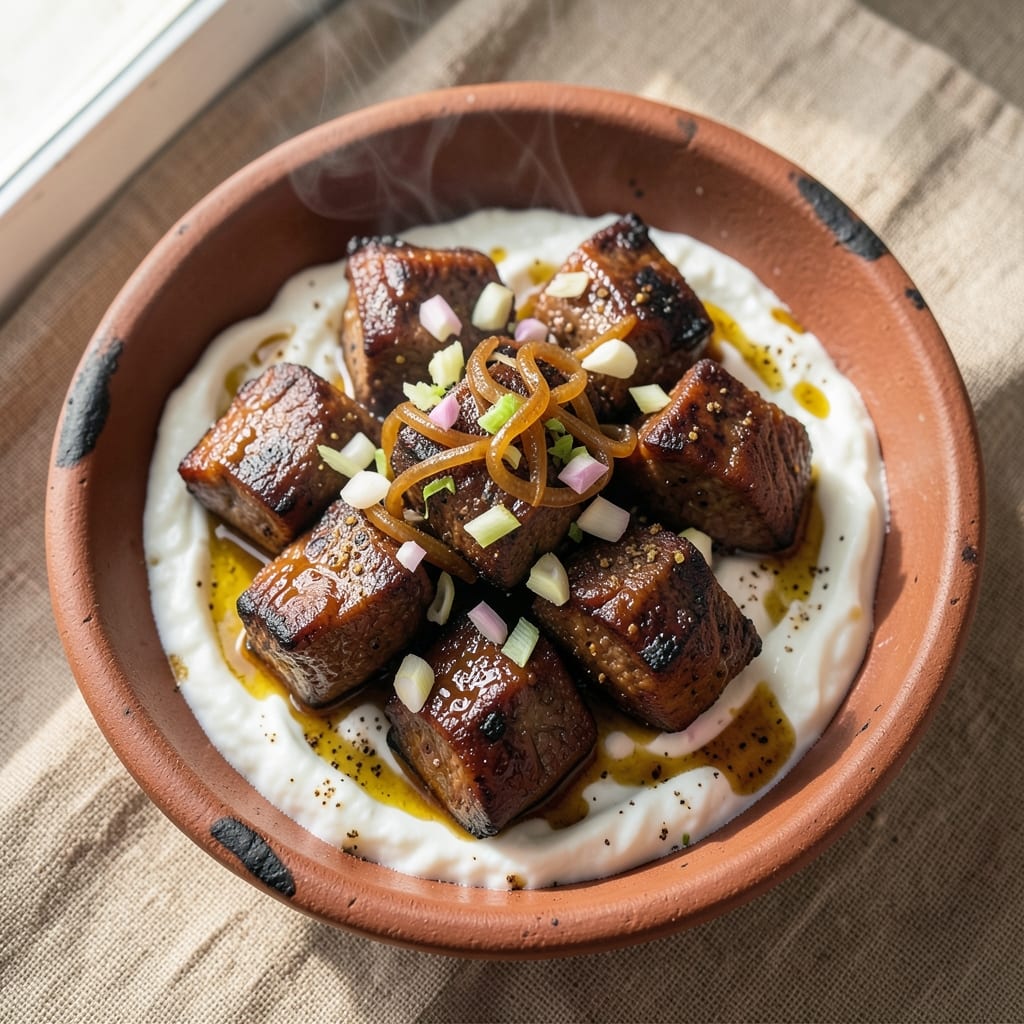
This Bangladeshi beef recipe delivers the rich, aromatic flavors of a traditional home-cooked meal, where tender beef simmers with potatoes in a fragrant spice blend until it falls apart. The secret lies in marinating the beef with yogurt and mustard oil, a technique that tenderizes while building deep, earthy flavors. What sets this dish apart is the slow cooking process, which transforms tough cuts into melt-in-your-mouth perfection while the potatoes soak up every layer of spice.
The dish begins with a marinade of yogurt, garlic, ginger, and garam masala, allowing the beef to absorb the flavors overnight. As it cooks, the spices meld into a harmonious blend of warmth and complexity, creating a sauce that clings to both the beef and potatoes. This recipe captures the essence of Bangladeshi home cooking, where slow simmering and simple ingredients create something extraordinary.
By the time you serve this dish, you’ll have a plate of tender beef and potatoes swimming in a rich, spiced gravy that’s both comforting and deeply satisfying. The aroma alone will transport you to the streets of Dhaka, where this dish is a staple in homes and restaurants alike. Serve it with steamed basmati rice for the full experience.
This recipe is designed to be authentic yet approachable, making it perfect for anyone eager to bring the flavors of Bangladesh into their kitchen. The slow-cooked method ensures the beef is fork-tender, while the potatoes add a hearty, starchy contrast that balances the dish beautifully. Ready to create a meal that feels like a hug in every bite?
Ingredients for bangladeshi beef
Authentic spices meet tender beef and potatoes for a dish that's both comforting and deeply flavorful.
| Ingredient | Amount | Notes |
|---|---|---|
| Beef Chuck Roast 🥩 | 2 lb | Cut into 1.5-inch cubes |
| Plain Yogurt 🥛 | 1 cup | Full-fat preferred for richness |
| Mustard Oil 🫒 | ¼ cup | Or substitute vegetable oil |
| Garlic Cloves 🧄 | 6 cloves | Minced for marinade |
| Fresh Ginger 🌿 | ½ cup | Grated, aromatic variety |
| Garam Masala 🌶️ | 2 tbsp | Authentic blend preferred |
| Ground Cumin 🌿 | 1 tbsp | Toasted for depth |
| Ground Coriander 🌶️ | 1 tbsp | Freshly ground ideal |
| Turmeric Powder 🧂 | 1 tsp | Bright yellow color |
| Red Chili Powder 🌶️ | 1 tsp | Adjust for heat preference |
| Russet Potatoes 🥔 | 2 lb | Cut into 1-inch chunks |
| Onions 🧅 | 2 whole | Yellow, sliced into wedges |
| Tomatoes 🍅 | 2 whole | Ripe, crushed by hand |
| Salt 🧂 | 1 ½ tsp | Kosher or sea salt |
| Black Pepper 🌶️ | ½ tsp | Freshly ground preferred |
| Fresh Cilantro 🌿 | ¼ cup | Chopped for garnish |
| Lemon Juice 🍋 | 1 tbsp | Freshly squeezed |
The beef cut matters here—chuck roast is ideal for its marbling and tenderness. Look for well-marbled pieces at your local butcher or Costco for the best value. If you can't find mustard oil, vegetable oil with a pinch of turmeric mimics its earthy character. For garam masala, Penzeys or Indian grocery stores carry authentic blends that make all the difference. Fresh ginger and garlic should be vibrant—no wrinkly, dried-out roots. The yogurt needs to be full-fat for proper emulsification with the oil.
No mustard oil? Vegetable or canola oil works, but add 1/4 tsp turmeric to mimic its flavor. Substitute ground cumin and coriander for garam masala at a 1:1 ratio if needed, though the blend is non-negotiable for authenticity. For the tomatoes, San Marzano cans are perfect, but fresh works too—just crush them by hand for that rustic touch. The potatoes should be firm and starchy—Russets or Yukon Golds are ideal. If you're short on time, pre-cut frozen potatoes work in a pinch, but fresh yields better texture.
This dish tastes even better the next day as flavors meld. Store leftovers in an airtight container for up to 4 days in the fridge. For longer storage, freeze for 3 months—portion into containers for easy reheating. The marinade can be prepped a day ahead, keeping the beef covered in the fridge. Garnish with fresh cilantro just before serving to preserve its bright flavor. Serve with steamed basmati rice to soak up every bit of that rich, spiced gravy.
Why You'll Love This Recipe
- No Chopping Chaos: I swear by this one—just slice the beef into chunks, no fancy cuts needed. The yogurt marinade does all the work while you prep the garlic and ginger in minutes, not hours.
- Mustard Oil Magic: That first hit of mustard oil when you fry? Chef’s kiss. It’s bold, it’s punchy, and it turns tender beef into something unforgettable—like a spice bomb wrapped in comfort.
- Leftovers That Shine: Between us, this beef only gets better the next day. Reheat it with a splash of water, and it’s just as rich—perfect for lunches or feeding unexpected guests without stress.
- Budget-Friendly Feast: A single chuck roast stretches for days, and the yogurt/mustard oil combo costs pennies. Honestly, it’s the kind of dish where I end up making double portions just to have it again soon.
Step-by-step instructions for slow-cooked Bangladeshi beef with potatoes
This method delivers tender beef and potatoes infused with aromatic spices and tangy yogurt.
Marinate the Beef for Maximum Flavor
In a large bowl, combine the 2 lb beef chuck roast cut into 1.5-inch cubes with the 1 cup plain yogurt, 0.25 cup mustard oil, 6 minced garlic cloves, and 0.5 cup grated fresh ginger. Mix thoroughly to coat each piece evenly. In a separate bowl, whisk together 2 tbsp garam masala, 1 tbsp ground cumin, 1 tbsp ground coriander, 1 tsp turmeric powder, 1 tsp red chili powder, 1.5 tsp salt, and 0.5 tsp black pepper. Sprinkle this spice blend over the beef mixture and toss gently to distribute.
Cover the bowl and refrigerate for at least 4 hours (overnight is ideal). This resting period allows the spices to penetrate deeply and tenderizes the beef. The marinade should transform from pale to vibrant yellow and red from the spices. Real talk: don't skip this step—it's what makes the difference between good and extraordinary.
Sear the Beef for Deep Flavor
Heat a heavy-bottomed pot or Dutch oven over medium-high heat. Add the marinated beef in batches, ensuring they don't overcrowd the pan. Let them sear for 3-4 minutes per side until deep golden brown and slightly crispy. The beef should release easily from the pan when ready. As each batch sears, remove it and set aside in a clean bowl.
This searing step creates the Maillard reaction, developing complex flavors that form the foundation of the dish. If your pot isn't heavy enough, the beef will steam instead of brown. I press down gently on the beef during the first minute to prevent curling and ensure even contact with the pan. The aroma at this stage should be intoxicating—like a spice market in Dhaka.
Build the Potato and Tomato Base
In the same pot, add 2 tbsp mustard oil and swirl to coat the bottom. Add the 2 sliced onions and cook for 5-6 minutes until golden brown and caramelized. Stir in the 2 crushed tomatoes and cook for another 5 minutes until the mixture darkens and thickens slightly. This step develops the base flavor that will carry through the entire dish.
Add the 2 lb russet potatoes cut into 1-inch chunks and stir to coat them with the tomato-onion mixture. Pour in 1 cup water and bring to a gentle simmer. The potatoes should be mostly submerged but not floating. This simmering process will cook the potatoes while infusing them with the rich flavors building in the pot.
Combine and Slow-Cook to Perfection
Return the seared beef to the pot along with any accumulated juices. Stir gently to combine everything. The mixture should look vibrant with layers of color from the spices. Bring to a gentle boil, then reduce heat to low, cover with a tight-fitting lid, and simmer for 1.5 to 2 hours. You're looking for the beef to become fork-tender and the potatoes to be soft but not mushy.
Here's where patience pays off. Check occasionally and add ½ cup water if the mixture becomes too dry. The dish should have a thick, saucy consistency with the beef falling apart easily. The aroma should be rich and complex—spices mingling with the tangy yogurt and sweet potatoes. Don't be tempted to rush this step; slow cooking is what makes this dish special.
Finish with Fresh Herbs and Brightness
Once the beef is tender, stir in the 1 tbsp freshly squeezed lemon juice and 0.25 cup chopped fresh cilantro. The acidity brightens all the flavors while the cilantro adds freshness. Taste and adjust seasoning if needed—you might need a bit more salt or chili powder to balance the flavors. The dish should be rich but not heavy, with a perfect balance of spice and tang.
Let the dish sit covered for 10 minutes off the heat before serving. This resting period allows the flavors to meld completely. Serve hot with steamed basmati rice or warm naan bread. The beef should be tender enough to pull apart with a fork, with potatoes that are creamy yet hold their shape. Each bite should deliver layers of flavor—spicy, tangy, and aromatic all at once.
Pro Tips For Making Bangladeshi Beef
- MARINATE THE MEAT: Tuck that beef chuck roast into a bowl with yogurt, minced ginger, and crushed garlic at least 4 hours ahead—overnight if you can. I used to rush this, thinking it was just about flavor, but the real magic happens when the yogurt tenderizes the meat while you’re sleeping. No shortcut here.
- USE MUSTARD OIL WISELY: Heat the oil low and slow until it shimmers—don’t let it smoke, or you’ll ruin the nutty aroma. My first batch tasted like burnt oil because I panicked and cranked the heat. Add it at the end, just before serving, to keep that sharp, pungent kick intact.
- SKIP THE BOILING WATER: Resist the urge to dump raw meat into boiling water—it’ll turn your beef tough as shoe leather. Instead, start with room-temperature water, bring it to a gentle simmer, then add the meat. Let it cook slowly for 1.5 hours before you even think about turning up the heat.
- GRIND THE GINGER FINE: No food processor? Grate it by hand until it’s almost paste-like—this ensures it blends smoothly into the yogurt marinade. My grandmother’s trick: freeze the ginger first, then grate it. It’s a game-changer for even distribution in every bite.
Perfect pairings for these flavors
Traditional Side Dishes
Serve this rich beef dish with steamed basmati rice—its long grains perfectly absorb the spiced gravy. I use jasmine rice from Lundberg Farms for its fragrant aroma and slight stickiness, which complements the tender beef beautifully. For extra authenticity, pair it with homemade naan brushed with garlic butter—the soft, pillowy texture contrasts wonderfully with the hearty beef. 🌾
Add a cucumber raita to cut through the richness: blend 1 cup yogurt, ½ cup grated cucumber, 1 tbsp lemon juice, and ½ tsp cumin seeds for a cooling contrast. This classic side is a staple in Bangladeshi meals and balances the spice perfectly.
Beverage Pairings
A mango lassi—blended with ripe mango purée, yogurt, and cardamom—is the ideal drink to accompany this dish. The sweet-tart flavor refreshes your palate after each bite. For a non-dairy option, try nimbu pani (Indian lemonade) made with fresh lime juice, cucumber slices, and a pinch of salt and roasted cumin. 🍹
For beer lovers, a light lager like Kingfisher (a popular Bangladeshi brand) or Peroni works well—the crispness cleanses the palate. Avoid heavy ales or dark beers, which can overpower the delicate spice notes. If you prefer wine, a dry Riesling offers bright acidity that pairs surprisingly well with the dish's complexity.
Garnish and Finishing Touches
Brighten the dish with fresh cilantro and a squeeze of lemon juice right before serving—this adds freshness and balances the richness. For extra flair, sprinkle toasted cumin seeds or crushed fried onions on top. I also love adding a few sliced green chilies for those who enjoy heat. These final touches elevate the dish from homemade to restaurant-quality. ✨
For a smoky depth, finish with a drizzle of mustard oil (if you're brave!) or a sprinkle of chaat masala** for a tangy, crunchy contrast. The key is to let the natural flavors shine while adding just enough contrast to make each bite exciting.
Nutrition facts
Frequently asked questions
Can I substitute beef chuck roast with another cut?
Yes! For best results, use beef shoulder or brisket—both have excellent marbling and become tender when slow-cooked. Avoid lean cuts like sirloin, as they won't absorb the marinade well and may dry out. If using a different cut, increase marinating time to 6-8 hours for optimal tenderness.
What if I don't have mustard oil?
Mustard oil adds a signature flavor, but you can substitute with vegetable oil or neutral oil like canola. For authenticity, add 1/4 tsp turmeric and 1/4 tsp cumin seeds to mimic its earthy aroma. If you want a closer match, blend 1 tbsp ground mustard seeds with 2 tbsp oil for a quick infusion.
How do I adjust the spice level?
The recipe includes 1 tsp red chili powder, but you can reduce this to 1/2 tsp for mild heat or increase to 1.5 tsp for extra spice. For a smoky kick, add 1/2 tsp smoked paprika or 1/4 tsp cayenne pepper. Always taste before serving—you can balance heat with extra yogurt or lemon juice.
Can I make this dish in a slow cooker?
After searing the beef, transfer everything to a 6-quart slow cooker and cook on low for 6-7 hours or high for 3-4 hours. The slow cooker's gentle heat ensures the beef stays tender. Add 1/2 cup water if the mixture looks too dry during cooking. The flavors will deepen even more in the slow cooker!
Why does my beef turn out tough?
Tough beef usually means one of three things: not enough marinating time (aim for overnight), too high heat (keep it at a gentle simmer), or overcooking. Use a meat thermometer—beef should reach 195°F for fork-tender results. Also, ensure your pot isn't overcrowded during searing to allow proper browning.