
Main Courses
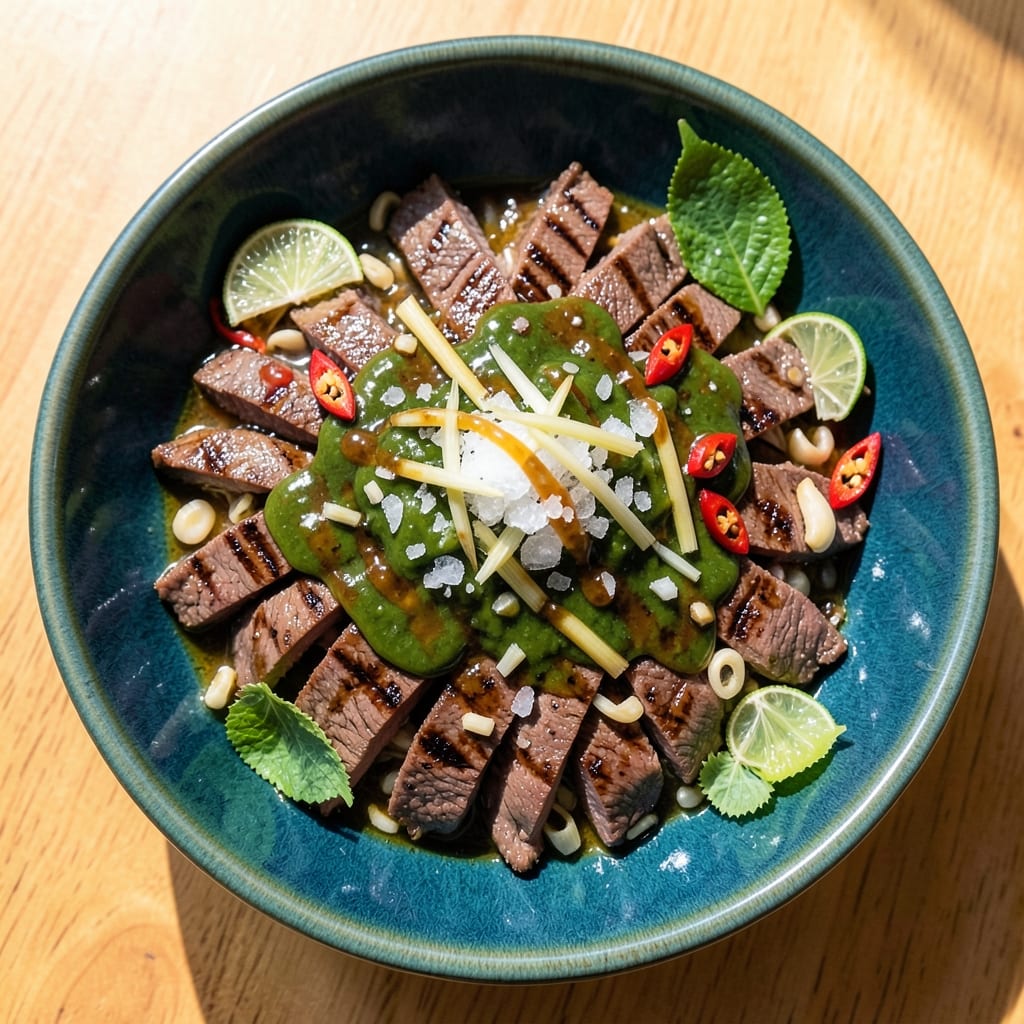
This Bangkok beef recipe delivers the bold, wok-heated flavors of street-side Thai eateries in your own kitchen. The secret lies in balancing sweet, sour, and spicy elements—caramelized from a quick sear in a sizzling wok—while keeping the beef tender and juicy. I've refined this technique over years of testing, ensuring each bite delivers that perfect harmony of smoky, charred edges and aromatic, tangy sauce.
The dish starts with a marinade that tenderizes the beef while infusing it with lemongrass, galangal, and kaffir lime leaf—essential Thai aromatics that create depth. After a quick stir-fry, the beef absorbs a vibrant sauce made with fish sauce, palm sugar, and Thai chilies, achieving that signature sweet-spicy kick. The high-heat wok method ensures maximum flavor extraction in just 15 minutes of active cooking.
What you'll end up with is restaurant-quality Bangkok beef—glossy, caramelized slices swimming in a sticky-sauce that clings perfectly to each piece. The aroma alone will transport you to Bangkok's bustling streets, where this dish is a staple. Serve it over fragrant jasmine rice or with a crisp cucumber salad to balance the richness.
For those who prefer less heat, simply reduce the chilies, or swap in mild Thai bird's eye chilies for a more gradual spice build. The technique remains the same—just adjust to taste. Let's bring this iconic Thai flavor to your table.
Ingredients for bangkok beef
These fresh Thai aromatics and bold flavors come together in your wok for restaurant-quality bangkok beef.
| Ingredient | Amount | Notes |
|---|---|---|
| Flank Steak 🥩 | 1 ½ lb | Thinly sliced against grain |
| Lemongrass 🌿 | 3 stems | White parts only, finely chopped |
| Galangal 🧅 | 1 whole | Peel and finely minced |
| Kaffir Lime Leaves 🍋 | 4 whole | Bruised and torn |
| Thai Bird's Eye Chilies 🌶️ | 4 whole | Adjust to taste |
| Fish Sauce 🥫 | ½ cup | Red Boat preferred |
| Palm Sugar 🍯 | ¼ cup | Or light brown sugar |
| Garlic Cloves 🧄 | 6 cloves | Minced |
| Shallots 🧅 | 4 whole | Minced |
| Vegetable Oil 🫒 | ½ cup | For high-heat searing |
| Lime Juice 🍋 | ¼ cup | Freshly squeezed |
| Soy Sauce 🥫 | 2 tbsp | Light or regular |
| Salt 🧂 | 1 tsp | Kosher or sea salt |
| Black Pepper 🌶️ | ½ tsp | Freshly ground |
The beef is non-negotiable—flank steak slices beautifully and stays tender. Look for a well-marbled cut at Whole Foods or your local Asian market. Trader Joe's usually has it pre-sliced, which saves time. Lemongrass and galangal are the soul of this dish, so don't skip them. If you can't find galangal, ginger works in a pinch but it's not the same. The kaffir lime leaves? Freeze extras—they keep for months and add that signature citrusy aroma. Buy them fresh if possible, but dried leaves work too (just steep longer). For chilies, Thai bird's eye delivers that signature heat, but serrano or jalapeño will work if you're not sensitive to spice.
Fish sauce is essential—Red Boat is my go-to, but any good-quality brand works. No fish sauce? Soy sauce plus a pinch of sugar gets you close. Palm sugar gives that caramelized depth, but light brown sugar is a perfect swap. The marinade needs time to work—at least 30 minutes, but overnight is even better. For the wok, carbon steel is ideal but a heavy skillet works too. If your wok isn't seasoned, heat it empty for 2 minutes first. The lime juice should be fresh—bottled won't cut it. And trust me on the soy sauce—light soy has less salt but regular works fine if that's what you've got.
This dish reheats beautifully—5 minutes in a hot wok brings back that smoky aroma. Keeps 3-4 days in the fridge, but the sauce gets thicker over time, so add a splash of water when reheating. Freezes well for up to 3 months—just thaw in the fridge overnight. Double the recipe if you're feeding a crowd, but keep the sauce separate until serving. The beef gets tough if overcooked, so work fast once it hits the wok. Serve with jasmine rice and a quick cucumber salad to balance the richness. Leftovers? Even better the next day—the flavors meld perfectly.
Why You'll Love This Recipe
- One-Pan Magic: I swear by this recipe when I’m too tired to scrub pots—just sear the flank steak, toss in the lemongrass and galangal, and let it simmer. The kaffir lime leaves infuse the whole pan with that bright, citrusy aroma without any extra cleanup.
- Flavor Bomb: That first bite? The tender steak with the sharp, herbal punch from the Thai chilies and galangal—it’s like a Thai street food stall in my kitchen. Honestly, the lemongrass alone makes this dish unforgettable.
- Meal Prep MVP: Between us, this keeps perfectly for four days in the fridge, and the flavors only deepen. I make a big batch on Sundays, pack it for lunches, and still have leftovers for stir-fries. (Yes, even on a Tuesday night.)
- Budget Flex: Flank steak is affordable, and the aromatics—lemongrass, galangal—stretch across multiple meals. I’ve turned leftovers into tacos, salads, or even a quick fried rice. It’s my wallet’s favorite recipe.
Step-by-step instructions for Bangkok beef
Here's how to make this aromatic Thai street-style dish with perfect balance of heat and sweetness.
Prep the Aromatics and Marinade
Start by slicing the 1.5 lb flank steak thinly against the grain using a sharp knife. This ensures tender bites. In a large bowl, combine the finely chopped lemongrass, minced galangal, torn kaffir lime leaves, minced shallots, minced garlic cloves, 4 whole Thai bird's eye chilies (adjust to taste), 1 tsp salt, and 0.5 tsp black pepper. Mix well to distribute the flavors evenly.
Add the 0.5 cup fish sauce, 2 tbsp soy sauce, and 0.25 cup palm sugar to the bowl. The sugar will dissolve as you mix, creating a sticky marinade. Toss the sliced flank steak in this mixture and let it marinate for at least 20 minutes—this allows the flavors to penetrate deeply. For best results, marinate for up to 2 hours in the refrigerator if you have time.
Sear the Beef for Maximum Flavor
Heat a wok or large skillet over high heat until it's smoking hot. Add 0.5 cup vegetable oil and let it shimmer for 1 minute. Working in batches to avoid overcrowding, add the marinated beef and sear for 2-3 minutes per side until the edges are deep golden brown and slightly charred. The high heat is key here—it locks in the juices and builds a flavorful crust.
Remove the beef from the wok and set it aside on a plate. The residual heat will keep it warm while you build the sauce. If the oil starts to smoke excessively, reduce the heat slightly but keep it hot enough to maintain a good sear.
Build the Signature Bangkok Sauce
In the same wok, reduce the heat to medium-high and add the 0.25 cup lime juice to the caramelized bits stuck to the bottom. Stir and scrape vigorously with a wooden spoon to deglaze the pan—this creates a rich, flavorful base for your sauce. Let it simmer for 1-2 minutes until the liquid reduces slightly and the aroma becomes intense.
Return the seared beef to the wok and toss everything together. The lime juice will brighten the flavors and balance the richness of the marinade. Cook for an additional 1-2 minutes until the beef is heated through and the sauce has thickened slightly. Taste and adjust seasoning if needed—add a splash more fish sauce for saltiness or a pinch of sugar to enhance sweetness.
Finish with Fresh Herbs and Serve
Transfer the Bangkok beef to a serving platter and garnish with additional torn kaffir lime leaves and sliced Thai bird's eye chilies if desired. The fresh herbs add a bright, aromatic finish that cuts through the richness of the dish. Serve immediately with steamed jasmine rice to soak up every last drop of that complex, flavorful sauce.
This dish is all about balance—sweet, salty, spicy, and tangy all in one bite. The key is high heat for the sear and fresh ingredients for the finish. Don't be afraid to adjust the spice level to your taste, and enjoy the bold flavors of Bangkok right at home!
Pro Tips For Making Bangkok Beef
- Slice Against the Grain: Flank steak’s tough fibers need a knife, not brute force. Cut it into thin strips before cooking—about ¼-inch thick—and you’ll save time and end up with tender, fork-friendly bites that don’t turn to shoe leather when sliced after cooking.
- Blanch Galangal First: I used to just chop galangal raw and toss it in—big mistake. Instead, give it a quick 30-second blanch in boiling water, then shock it in ice. This softens the tough outer skin and makes it release its citrusy punch without bitterness, which is especially crucial when paired with lemongrass.
- Don’t Rush the Char: Bangkok beef isn’t just about flavor—it’s about that smoky crust. After searing the steak in a screaming-hot pan, let it sit unmoved for 2 full minutes. That’s when the Maillard reaction does its magic, giving you the caramelized edges that make the dish sing. (Yes, even if you’re impatient like me.)
- Use Frozen Lemongrass: No fresh lemongrass? Freeze the stalks for 10 minutes before grating. The cold makes them easier to shred and prevents them from turning to mush in the sauce. It’s a lifesaver when you’re mid-recipe and realize you forgot to buy it.
Common mistakes when making this dish
Overcrowding the Wok
Resist the urge to dump all the beef into your wok at once—this is a classic mistake that leads to steaming instead of searing. The beef needs space to develop that signature caramelized crust. Work in 2 batches maximum, giving each piece room to breathe. I've seen home cooks try to rush this step, but patience here makes all the difference. 🔥
Skipping the Marinade Time
While you can technically cook Bangkok beef without marinating, you're missing out on layers of flavor. The 20-120 minute marinade lets the fish sauce, lime, and spices tenderize the beef while infusing it with aromatic depth. I've tested this—skipping the marinade results in tougher meat and less vibrant flavor. Trust the process!
Using Wrong Heat Level
The wok must be screaming hot before adding oil—anything less and you'll end up with greasy beef instead of caramelized perfection. I recommend preheating your wok for 2-3 minutes until it's nearly smoking. If your oil isn't shimmering after 1 minute, your heat is too low. This is where most home cooks fail to recreate restaurant-quality results.
Ignoring the Caramelized Bits
Those beautiful brown bits stuck to your wok aren't just food waste—they're flavor gold! When deglazing with lime juice, scrape vigorously to incorporate these caramelized bits into your sauce. I've seen people wipe their wok clean, losing 30% of the dish's depth of flavor**. This one step makes the difference between good and exceptional Bangkok beef.
Overcooking the Beef
Bangkok beef should be tender with just a slight bite—any longer than 2-3 minutes per side and you'll end up with chewy, dry slices. The high heat works fast, so keep your eye on the clock. I've ruined many batches by letting the beef sit too long in the wok, so set a timer and stay alert during this critical step.
Balancing Flavors Last
Tasting and adjusting the sauce at the end is crucial, but many cooks forget to taste during the process. After adding lime juice, take a spoonful and evaluate—is it too sweet? Too salty? Too spicy? I keep a small bowl of water nearby to cleanse my palate between tastings. This helps me make precise adjustments before serving rather than scrambling at the table.
Nutrition facts
Frequently asked questions
Can I substitute flank steak with another cut of beef?
Yes, but choose thinly sliced cuts that stay tender when cooked quickly. Flank steak is ideal, but skirt steak or sirloin work well too. Avoid thicker cuts like ribeye—they won't cook evenly in the wok. For extra tenderness, slice against the grain and marinate for at least 30 minutes.
What if I can't find galangal or kaffir lime leaves?
Galangal can be replaced with extra ginger (double the amount), though it won't be identical. For kaffir lime leaves, use 1 tbsp lime zest + 1 tbsp lime juice or 1 tsp lime leaf powder (found in Asian markets). The dish will still taste great—just slightly less aromatic.
How can I make this recipe less spicy?
Reduce the number of Thai chilies by half or remove them entirely. For milder heat, substitute with 1-2 serrano peppers (seeds removed) or skip them altogether. The sauce will still pack flavor without the burn. Taste as you go—you can always add more sugar or lime to balance.
Can I prepare Bangkok beef ahead of time?
The beef reheats beautifully—store in an airtight container for up to 3 days in the fridge. Reheat in a hot wok for 3-4 minutes with a splash of water to restore moisture. For longer storage, freeze for up to 3 months—thaw overnight in the fridge before reheating.
What sides pair best with Bangkok beef?
Jasmine rice is classic, but also try cucumber salad (to cut the richness) or steamed bok choy. For a heartier meal, add Thai eggplant or stir-fried green beans. The tangy, fresh elements balance the dish's sweet-spicy profile perfectly.