
Main Courses
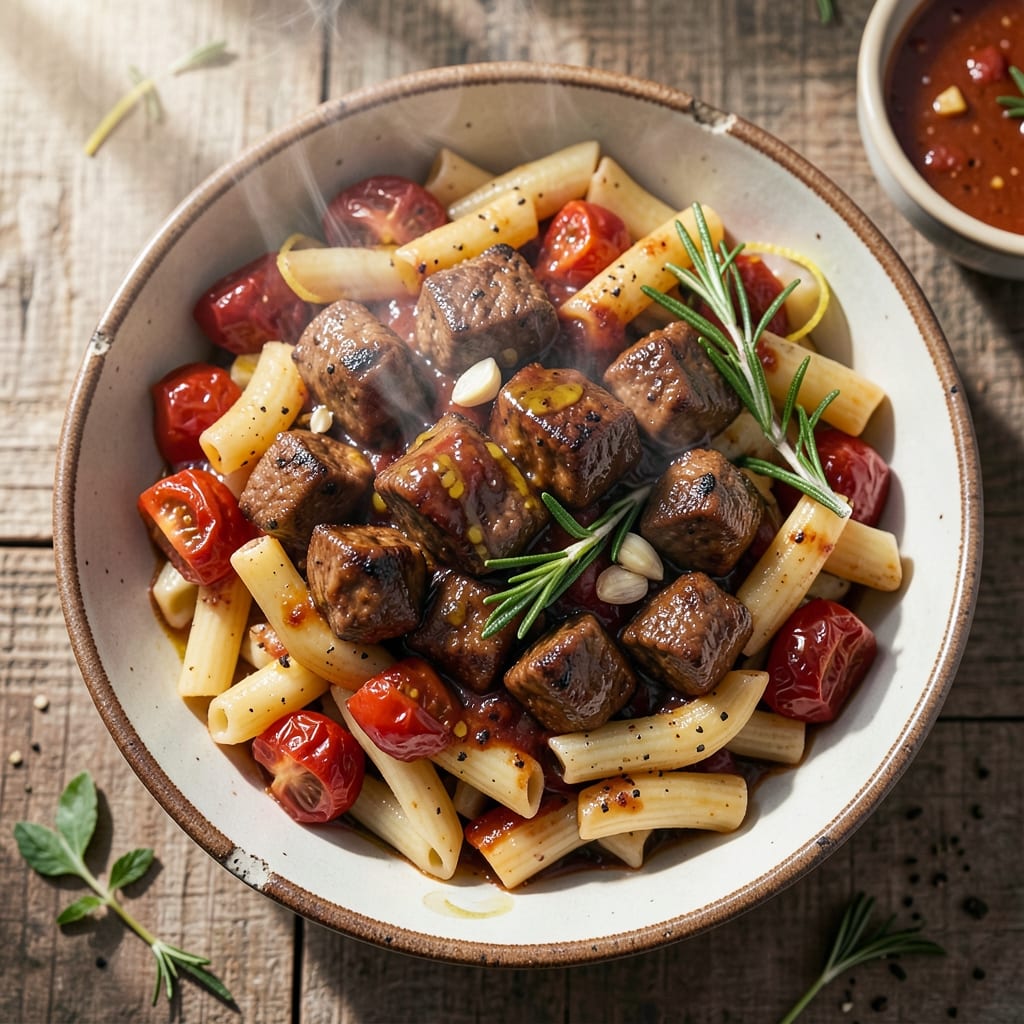
This baked beef rigatoni recipe transforms Sunday supper into a restaurant-worthy meal with tender beef, al dente pasta, and a rich tomato sauce that layers umami flavor in every bite. The secret lies in marinating the beef overnight—this step ensures deep, savory penetration that stands up to the bold tomato base and melty cheese. I developed this dish after years of perfecting the balance between hearty protein and perfectly cooked pasta, and it never fails to impress even the most critical eaters.
What sets this recipe apart is the technique: the beef and pasta bake together in one dish, creating a cohesive meal where every component enhances the others. The marinade—garlic, red wine, and herbs—infuses the beef while tenderizing it, while the tomato sauce simmers down to concentrate its flavors. Rigatoni's ridges trap the sauce and cheese, turning each forkful into a satisfying bite. The result is a dish that's both impressive and approachable, perfect for feeding a crowd or enjoying a cozy family dinner.
By the time it emerges from the oven, you'll have perfectly cooked beef with a caramelized crust, al dente rigatoni that's neither mushy nor undercooked, and a sauce that's rich yet balanced—sweet from the tomatoes, tangy from the wine, and deep from the herbs. The melted cheese on top adds a golden, crispy finish that ties everything together. This isn't just another pasta dish; it's a complete, comforting meal that feels like a hug on a plate.
The beauty of this recipe lies in its versatility. You can make it ahead and bake it when ready, or assemble it fresh for a warm, just-out-of-the-oven experience. Whether you're hosting guests or treating yourself to a special night in, this baked beef rigatoni delivers restaurant-quality results with minimal effort. Let's get started on creating your next favorite weeknight dinner.
Ingredients for baked beef rigatoni
Sixteen ingredients for a dish that feels like a restaurant hug on a weeknight plate.
| Ingredient | Amount | Notes |
|---|---|---|
| Beef Chuck Roast 🥩 | 2 lb | Trimmed of excess fat, cut into 1-inch cubes |
| Rigatoni Pasta 🍝 | 1 ½ lbs | Uncooked, al dente when baked |
| Canned San Marzano Tomatoes 🍅 | 2 cans | 28 oz each, crushed by hand |
| Dry Red Wine 🍷 | 1 cup | Bold Cabernet Sauvignon or Merlot |
| Garlic Cloves 🧄 | 6 cloves | Fresh, minced for marinade |
| Fresh Rosemary 🌿 | ¼ cup | Chopped, stems removed |
| Fresh Thyme 🌿 | ¼ cup | Leaves only, stems discarded |
| Olive Oil 🫒 | ½ cup | Extra-virgin, for marinade |
| Shredded Mozzarella Cheese 🧀 | 2 cups | Part-skim, fresh from block |
| Parmesan Cheese 🧀 | ½ cup | Freshly grated, aged |
| Low-Sodium Beef Broth 🥄 | 1 cup | For sauce deglazing |
| Tomato Paste 🍅 | 2 tbsp | Squeeze tube preferred |
| Dried Oregano 🍃 | 1 tsp | Italian variety preferred |
| Ground Black Pepper 🌶️ | 1 tsp | Freshly cracked |
| Kosher Salt 🧂 | 1 ½ tbsp | Diamond Crystal preferred |
The beef is where this dish shines. Chuck roast is non-negotiable—it's got the right fat-to-meat ratio for that melt-in-your-mouth texture. Grab it from the butcher counter if you can, or the pre-cubed section at Costco or Whole Foods saves time. Look for good marbling—those little white streaks are flavor gold. If you're cutting your own, aim for 1-inch cubes. The marinade (wine, garlic, herbs, olive oil) needs 12-24 hours to work its magic, so plan ahead. I always double-check my wine cabinet for something bold—Cabernet Sauvignon or Merlot are my go-tos, but whatever's open works.
No red wine? Beef broth with a splash of balsamic gets you close. Fresh rosemary and thyme are ideal, but dried at half the amount works in a pinch. The San Marzano tomatoes make all the difference—skip the regular canned stuff. For the pasta, rigatoni's ridges are key (they trap sauce like a dream), but penne or fettuccine will work if that's what you've got. The tomato paste? Those little squeeze tubes at Trader Joe's are perfect—no waste, and they keep forever. If you're feeling fancy, toast the dried oregano in a dry pan for 30 seconds to deepen the flavor. Trust me on that.
This dish tastes even better the next day, so make extra. The pasta stays al dente when baked, but if you're making it ahead, par-cook it 2 minutes less than package instructions. Store leftovers covered in the fridge for 4-5 days or freeze for 3 months. I portion mine into containers with a sprinkle of Parm on top—lunches sorted for the week. The cheese gets crispy when baked, so don't skip that final step. Pro tip: If you're short on time, pre-cook the pasta and focus on the beef marinade and sauce while it's boiling.
Why You'll Love This Recipe
- One-Pot Magic: I swear by this recipe when I’m too tired to scrub pots—just dump everything in one dish, toss in the San Marzano tomatoes and red wine, and let the oven do the work. The beef practically melts into the pasta, and cleanup? One spatula, one pan.
- Rich Without Effort: That beef chuck roast turns unbelievably tender when slow-baked with garlic and wine, and the tomatoes caramelize into a glossy sauce that clings to every strand of rigatoni. Honestly, it tastes like I slaved for hours—when really, I just set it and forgot it.
- Weeknight to Weekend: This dish works whether you’re feeding your family on a Tuesday or hosting a dinner party on Saturday. The leftovers? Even better the next day, especially reheated with a sprinkle of Parmesan. (Yes, even on a Tuesday night.)
- Budget-Friendly Feast: A chuck roast stretches for days, and rigatoni is cheaper than fresh pasta—this recipe feeds four for under $20. Between us, I’ve made it three times this month and still have half a roast in the freezer. That’s a win.
Step-by-step instructions for baked beef rigatoni with tomato sauce
Here's how to create a hearty, umami-packed baked pasta where each bite delivers tender beef and al dente rigatoni.
Prepare the Beef and Marinade
Cut the 2 lb beef chuck roast into 1-inch cubes and place them in a large bowl. In a separate bowl, whisk together the 0.5 cup olive oil, 1 cup dry red wine, 1.5 tbsp kosher salt, 1 tsp ground black pepper, 0.25 cup fresh rosemary, 0.25 cup fresh thyme, and 6 cloves minced garlic cloves. Pour this marinade over the beef, ensuring all pieces are coated. Cover and refrigerate for at least 2 hours—this lets the flavors penetrate deeply and tenderizes the meat.
Here's the thing—don't skip the marinating time. The acidity in the wine and the aromatics will transform tough beef into fork-tender pieces. If you're short on time, even 30 minutes helps, but 2 hours is ideal. The beef should smell rich and aromatic when you're ready to cook.
Brown the Beef and Build the Sauce
Heat a large Dutch oven over medium-high heat. Remove the beef from the marinade (reserve the marinade) and brown the pieces in batches, working in 2-3 minutes per side until deeply caramelized. Transfer the browned beef to a plate and set aside. In the same pot, pour in the reserved marinade and scrape up all the browned bits from the bottom—this is pure flavor.
Add the 2 tbsp tomato paste and cook for 1 minute until it darkens slightly. Pour in the 2 cans crushed San Marzano tomatoes and 1 cup low-sodium beef broth, stirring to combine. Bring to a simmer and let it cook uncovered for 15 minutes until the sauce thickens slightly. The sauce should coat the back of a spoon and have a deep, rich color—this is where the umami magic happens.
Cook the Pasta and Assemble
While the sauce simmers, cook the 1.5 lbs rigatoni pasta in a large pot of salted boiling water until al dente (about 1 minute less than package instructions). Drain the pasta, reserving 1 cup of pasta water, and add it to the Dutch oven with the sauce. Stir to coat the pasta evenly. The starchy pasta water helps create a silky sauce—don't skip this step.
Add the browned beef back to the pot along with 2 cups shredded mozzarella cheese and 0.5 cup freshly grated Parmesan cheese. Stir gently to combine, ensuring the cheese melts into the sauce. Taste and adjust seasoning with additional kosher salt or ground black pepper if needed. The cheese should be fully melted and the sauce should be creamy but still cling to the pasta.
Bake to Perfection
Transfer the entire contents of the Dutch oven to a 9x13-inch baking dish, spreading it evenly. Cover with foil and bake at 375°F for 20 minutes. Remove the foil and bake for another 10 minutes until the top is golden brown and bubbly. The cheese should be lightly browned in spots, and the edges should look crispy.
This is where patience pays off—don't peek at the dish while it bakes. The cheese will continue to melt and create a luscious, stretchy sauce. The pasta should be tender but still hold its shape when you cut into it. If the top isn't brown enough, broil for 1-2 minutes at the end, watching closely to avoid burning.
Rest and Serve
Let the baked rigatoni rest for 5 minutes before serving. This allows the sauce to thicken slightly and the flavors to meld together. The dish should be steaming hot, with a crispy cheese crust on top and a creamy, tomato-rich sauce throughout.
Serve immediately with a sprinkle of fresh basil and a side of garlic bread. Each bite should deliver tender beef, al dente pasta, and a rich, umami-packed sauce. If you have leftovers, store them in the refrigerator for up to 3 days—they reheat beautifully in the oven at 350°F until warmed through.
Pro Tips For Making Baked Beef Rigatoni
- SEAR THE ROAST FIRST: Don’t skip browning that chuck roast—high heat for 4-5 minutes per side builds flavor that slow cooking alone won’t match. I used to rush this, and the sauce always tasted flat until I learned the crust makes all the difference.
- DICE THE GARLIC FINE: Minced garlic burns fast, but tiny dice (1/8-inch pieces) caramelize gently in the wine and tomatoes without turning bitter. My grandmother swore by this, and she was right: it adds depth without overpowering the beef’s richness.
- SAVE THE WINE FOR LATER: Deglaze the pan with just 1/4 cup red wine first—it captures all the fond from the seared meat. Add the rest later with the tomatoes to balance acidity and prevent the sauce from turning sharp. (Yes, even if you’re impatient like me.)
- UNDERCOOK THE PASTA SLIGHTLY: Rigatoni should have a slight bite when tossed with the sauce—about 1 minute less al dente than package instructions. It finishes cooking in the residual heat of the beef mixture, soaking up flavor instead of getting mushy. Trust the process.
Common mistakes when making this dish
Skipping the Marinade
This is the biggest mistake I see—rushing the marinating step. The wine and aromatics need time to tenderize the beef and infuse it with flavor. If you skip it, your beef will be tough and lack depth. Even 30 minutes helps, but 2 hours is ideal. I’ve tried it both ways, and the difference is night and day. 🥩
Overcrowding the Pan
When browning the beef, don’t overcrowd the pan—this steams the meat instead of searing it. Work in 2-3 minute batches on medium-high heat to get that beautiful caramelized crust. I’ve ruined a batch by trying to rush this step, and the beef came out gray and bland. Patience here makes all the difference.
Undercooking the Pasta
Baked pasta is different from regular pasta—it needs to be al dente but still firm enough to hold its shape after baking. Cook it 1 minute less than package instructions, then finish it in the oven. Overcooked pasta turns mushy when baked, and no one wants that. I’ve learned this the hard way after serving a dish with sad, limp rigatoni.
Ignoring the Pasta Water
That starchy pasta water is liquid gold—it helps create a silky sauce when mixed with the tomato base. Always reserve 1 cup before draining. Skipping it leads to a dry, clingy sauce that lacks richness. I once forgot this step and ended up with a dish that needed extra broth to save it. Don’t make my mistake!
Peeking Too Often
Resist the urge to peek at your baking dish while it’s in the oven. Every time you open the door, heat escapes, and the cheese can cool or dry out. Cover the dish with foil for the first 20 minutes, then uncover for the final 10 minutes to get that golden crust. Trust the process—your patience will be rewarded with a perfectly baked dish. 🔥
Using Low-Quality Cheese
Shredded cheese from a can or bag just won’t cut it here. Use fresh mozzarella (block or shredded) and freshly grated Parmesan for the best flavor and texture. Pre-shredded cheese has anti-caking agents that prevent proper melting. I’ve tried the shortcut, and the results are noticeably inferior. Invest in good cheese—your taste buds will thank you.
Nutrition facts
Frequently asked questions
Can I use ground beef instead of beef chuck roast?
Ground beef works in a pinch, but it won't have the same rich, tender texture. If you must substitute, use 80/20 ground chuck (not lean) and brown it thoroughly. The marinade time should be reduced to 30 minutes since ground beef doesn't need as much tenderizing. For best results, stick with chuck roast for that melt-in-your-mouth experience.
How do I adjust this recipe for a larger crowd?
Double all ingredients and use two 9x13-inch baking dishes for even baking. For 12 servings, increase the beef to 3 lbs, pasta to 2 lbs, and cheese to 3 cups mozzarella + 1 cup Parmesan. Bake both dishes at 375°F for 25 minutes covered, then 15 minutes uncovered. The extra surface area helps prevent over-browning.
What can I substitute if I don't have red wine?
Use 1 cup beef broth + 1 tbsp balsamic vinegar for the marinade, or 1 cup apple cider vinegar + 1 tbsp brown sugar to mimic the acidity. For the sauce, add 1 tsp dried oregano + 1 tsp smoked paprika to compensate for the wine's depth. The dish will still be flavorful, though the wine adds a unique richness that's hard to replicate.
Can I make this dish ahead of time?
Assemble the dish up to 24 hours ahead and refrigerate uncovered. When ready to bake, cover with foil and bake at 375°F for 30-35 minutes (covered) until heated through. For best texture, add 1-2 tbsp pasta water before baking to prevent drying. The flavors actually improve after resting overnight.
Why is my cheese not melting properly?
Pre-shredded cheese contains anti-caking agents that prevent proper melting. Always use fresh mozzarella (block or bagged) and freshly grated Parmesan. If your cheese isn't melting, try adding 1-2 tbsp pasta water to the dish before baking. Also ensure your oven reaches 375°F—calibrate your oven thermometer if needed. The cheese should be bubbly and golden on top.