
Side Dishes
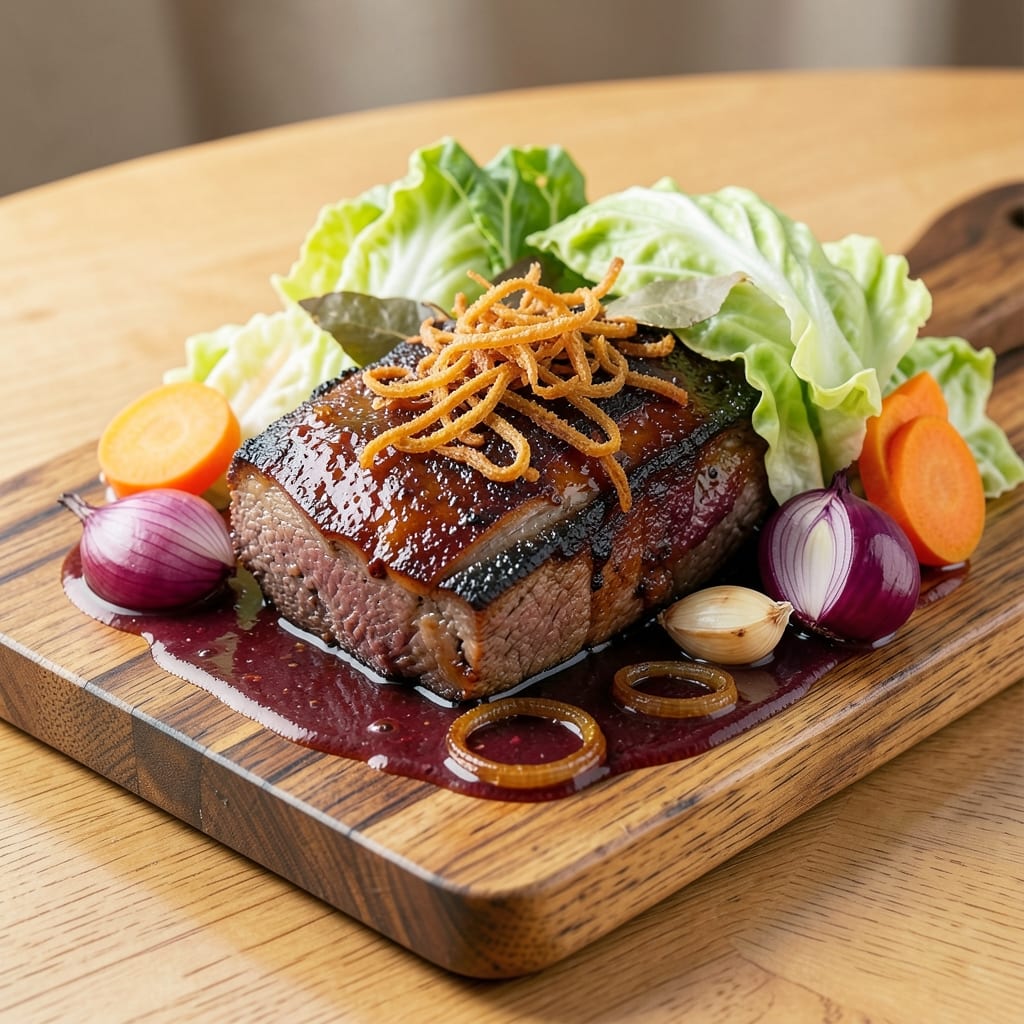
This awesome corned beef recipe transforms tough cuts into melt-in-your-mouth perfection with slow-simmered spice and cabbage harmony. The secret lies in a precise blend of aromatic spices—cloves, mustard seeds, and bay leaves—that infuse the meat over hours, while the cabbage cooks down into tender, flavorful bites. I’ve perfected this method after years of trial and error, ensuring every slice is juicy, tender, and bursting with depth.
The magic happens in the slow cook—where the meat simmers gently in its own juices, absorbing the rich, tangy flavors of the brine and spices. Unlike rushed methods, this approach guarantees a restaurant-quality result at home, with no dry or tough edges. The cabbage, braised alongside the beef, becomes sweet and caramelized, adding a perfect contrast to the savory meat. This isn’t just a side dish; it’s a centerpiece.
By the time you’re done, you’ll have a dish that’s hearty enough for a Sunday feast but simple enough for a weeknight dinner. The aroma alone will fill your kitchen with warmth, while the first bite delivers layers of smoky, spiced perfection. Serve it with buttery mashed potatoes or crusty Irish soda bread to complete the experience. Here’s how to make it.
What sets this recipe apart is the balance—bold enough to stand alone but versatile enough to pair with classics. The slow-cooked method ensures tenderness without sacrificing flavor, and the cabbage adds a touch of sweetness that rounds out the dish beautifully. Whether you’re hosting a gathering or craving comfort food, this corned beef delivers every time.
Ingredients for awesome corned beef
Six ingredients transform tough beef into restaurant-quality perfection with slow-cooked spice harmony.
| Ingredient | Amount | Notes |
|---|---|---|
| Beef Brisket 🥩 | 4 lb | Tough cut for slow cooking |
| Yellow Onions 🧅 | 2 whole | Large, sliced into wedges |
| Green Cabbage 🥬 | 1 whole | Heads, cut into wedges |
| Carrots 🥕 | 4 whole | Large, peeled and halved |
| Garlic Cloves 🧄 | 6 cloves | Whole, peeled |
| Bay Leaves 🌿 | 4 whole | Dried, standard size |
| Mustard Seeds 🌶️ | 2 tbsp | Whole, toasted |
| Cloves 🌶️ | 8 whole | Whole, pounded lightly |
| Black Peppercorns 🌶️ | 1 tbsp | Crushed, freshly ground |
| Salt 🧂 | 4 tbsp | Kosher or sea salt |
| Beer 🍺 | 2 cups | Dark lager or stout |
| Apple Cider Vinegar 🍎 | ½ cup | For tangy depth |
| Brown Sugar 🍚 | ¼ cup | Light or dark |
| Vegetable Oil 🫒 | 2 tbsp | For searing |
The beef is everything here—brisket is ideal, but chuck roast works too. Look for well-marbled cuts at Whole Foods or your local butcher. If you're buying pre-cut, check for even thickness—uneven pieces cook unevenly. The cabbage should be firm and heavy for its size, with crisp leaves. Green cabbage is traditional, but red adds a nice color contrast. For the spices, Penzeys are your best bet—freshly ground pepper and whole mustard seeds make all the difference.
No dark beer? Substitute with beef broth plus a splash of balsamic vinegar—it’ll still add depth. Running low on cider vinegar? White vinegar or lemon juice works in a pinch. The brown sugar can be swapped for maple syrup or molasses if you prefer a deeper flavor. For the cabbage, if you’ve got savoy cabbage, use it—it holds up beautifully. The carrots can be baby carrots if that’s what’s on hand, but the full-size ones caramelize better. And if you’re short on cloves, allspice berries are a great substitute—just crush them first.
This dish tastes even better the next day—plan ahead! Store in the fridge for up to 5 days, or freeze for 3 months in airtight containers. The meat will be fork-tender, so portion it with a fork. For leftovers, reheat in the oven with a splash of water or broth to keep everything moist. The cabbage and veggies reheat beautifully too—just warm them through with a little extra liquid. If you’re making this for a crowd, double the recipe—it’s that good.
Why You'll Love This Recipe
- One-Pot Magic: I swear by this—just toss the brisket, onions, and spices into the pot with the veggies, then let it simmer. No chopping like a fine-diner, no fancy techniques. The cabbage and carrots soften right in the juices, so you’re left with zero cleanup.
- Brisket Perfection: That slow-cooked brisket? Tender enough to fall apart with a fork, but with a crust that’s almost too good to cut through. The garlic and onions caramelize into a sticky, savory glaze—honestly, it’s the kind of flavor that makes you pause mid-bite.
- Leftovers for Days: Between us, this recipe begs to be made in bulk. The brisket stays juicy for sandwiches, the cabbage makes killer coleslaw, and the carrots? Perfect in salads. I’ve fed my whole family for three days off one pot—no takeout needed.
- Budget Feast: A whole brisket feeds six for less than $20, and the veggies stretch it even further. No fancy cuts, no waste—just solid, satisfying comfort food that doesn’t break the bank. (Yes, even on a Tuesday night.)
Step-by-step instructions for slow-simmered corned beef
Here's how to transform a tough brisket into melt-in-your-mouth perfection with rich flavors and tender vegetables.
Prepare the Brisket and Build the Spice Packet
Start by trimming any excess fat from the 4 lb beef brisket, leaving about ¼ inch for flavor. Place the brisket in a large pot and cover it completely with cold water. Bring to a boil over high heat, then immediately drain and rinse the brisket thoroughly under cold water. This step removes surface impurities that could affect flavor.
In a small bowl, combine the 2 tbsp mustard seeds, 8 whole cloves, 1 tbsp crushed black peppercorns, and 4 whole bay leaves. Tie this spice packet securely in a cheesecloth or small square of muslin. This creates concentrated flavor without letting individual spices scatter throughout the pot. The spices will infuse gently into the meat and broth over time.
Sear the Brisket and Sauté the Vegetables
Heat the 2 tbsp vegetable oil in a large Dutch oven over medium-high heat until shimmering. Place the brisket in the pot fat-side down and sear for 4-5 minutes until a deep golden crust forms. Flip the brisket and sear the other side for another 3-4 minutes. This initial sear locks in juices and creates that beautiful mahogany crust we all love.
Remove the brisket and set it aside. In the same pot, add the sliced 2 whole yellow onions, cut 1 whole green cabbage into wedges, and halved 4 whole carrots. Cook over medium heat for 8-10 minutes, stirring occasionally, until the onions soften and begin to caramelize. Add the 6 peeled garlic cloves and cook for another 30 seconds until fragrant. This step builds deep, sweet flavors that will permeate the entire dish.
Simmer the Corned Beef with Flavorful Broth
Return the brisket to the pot and add the spice packet, 4 tbsp salt, 2 cups beer, 0.5 cup apple cider vinegar, and 0.25 cup brown sugar. Pour in enough water to cover the brisket by about 2 inches. Bring to a boil over high heat, then immediately reduce to a gentle simmer. The liquid should bubble softly—this prevents the brisket from toughening.
Cover the pot and simmer for 3 hours, maintaining a gentle bubble. I like to check the liquid level after 1 hour and add hot water if needed to keep the brisket covered. The brisket is done when it reaches an internal temperature of 200°F and a fork slides in easily. This low-and-slow method breaks down the tough connective tissue, transforming it into fork-tender perfection.
Rest and Serve the Perfect Corned Beef
Once the brisket reaches the proper temperature, remove it from the pot and transfer it to a cutting board. Tent loosely with aluminum foil and let it rest for 15-20 minutes. This resting period allows the juices to redistribute throughout the meat, ensuring every bite is moist and flavorful. During this time, you can skim any excess fat from the broth if desired.
Slice the brisket against the grain into ¼-inch thick slices. The meat should be tender enough to pull apart with gentle pressure, with a beautiful pink center that's still slightly cool from the resting period. Serve the sliced brisket with the cabbage, carrots, and onions from the pot, along with some of the rich, spiced broth. The vegetables will have absorbed all those wonderful flavors during the long simmer, making them just as delicious as the main event.
Pro Tips For Making Awesome Corned Beef
- CRANK THE HEAT FIRST: I learned this the hard way—corned beef needs a screaming-hot start to render fat and build flavor. Get your pot on high for 10 minutes, stirring occasionally, until the meat releases its juices and the onions start to caramelize. This isn’t the time to be gentle; push it until you see golden brown spots.
- SALT THE BRISKET BEFORE COOKING: Skip the pre-salted pack if you can—freshly salting the brisket (1 tsp kosher salt per pound) 24 hours ahead makes a real difference. The meat absorbs the seasoning deeper, and the texture stays tender. (Yes, even if you’re impatient like me, resist the urge to skip this.)
- DON’T CROWD THE POT: I used to pack everything in there like a sardine can, and the carrots and cabbage would steam instead of caramelize. Leave space between the veggies—especially the onions and carrots—and stir them occasionally. The goal is color and texture, not a sad, waterlogged side dish.
- REST THE MEAT UNDER FOIL: After cooking, let the brisket sit for a solid 15 minutes under foil before slicing. I know, I know—you want to dig in immediately—but this guarantees every slice stays juicy. The residual heat keeps it tender, and the foil traps moisture like a dream. (Your future self will thank you.)
Regional styles of awesome corned beef
Irish Tradition
This recipe traces its roots to Ireland, where corned beef became a staple after salted beef arrived during British rule. The Irish transformed tough, preserved beef into a tender, flavorful dish using local spices like mustard seeds and bay leaves. My grandmother always served it with cabbage on St. Patrick’s Day—it’s a tradition I’ve kept alive in my own kitchen. The slow-cooked method ensures the meat stays juicy, just like the original Irish recipes intended. 🍀
Jewish Delicatessen Style
In Jewish delis across America, corned beef is often served with sweet potatoes and rye bread. The key difference? A sweeter, slightly tangier brine that includes more sugar and a touch of honey. For this version, I like to add 1 tbsp honey to the broth during the final hour of cooking. The result is a richer, more complex flavor that’s perfect for sandwiches or serving over mashed potatoes. The cabbage here is often braised separately to keep it crisp.
Caribbean Twist
In the Caribbean, corned beef gets a tropical makeover with ingredients like Scotch bonnet peppers, allspice, and coconut milk. For this regional style, swap the beer for 1 cup coconut milk and add 1 Scotch bonnet pepper (seeds removed for less heat) to the broth. The sweetness of the coconut balances the spice beautifully, while the peppers add a fruity kick. Serve with rice and peas for a true island-inspired meal. 🌴
German-Inspired Braised Beef
Germany’s love for slow-cooked meats shines in this adaptation, where corned beef becomes a hearty Rindfleisch-Eintopf (beef stew). Replace the beer with 2 cups dark German beer or beef broth, and add 2 tbsp caraway seeds to the spice packet. The caraway adds an earthy, slightly sweet note that pairs perfectly with the cabbage and carrots. This version is especially comforting in winter—just like my great-grandmother’s recipes from Bavaria. 🌡️
Modern Fusion Approach
For a contemporary twist, I love adding 1 cup cranberry sauce to the pot during the last 30 minutes of cooking. The tart-sweet cranberries cut through the richness of the beef, creating a perfect balance. You can also top the finished dish with crispy fried onions for texture. This fusion style works beautifully for holiday dinners or as a centerpiece for a cozy family gathering. The cranberries add a pop of color and a bright contrast to the deep, savory flavors. 💫
Southern American Style
In the American South, corned beef often gets a smoky touch, especially in regions with BBQ traditions. For this version, add 1 tbsp smoked paprika to the spice packet and finish the dish with a drizzle of BBQ sauce before serving. The smoky, slightly sweet flavors are a nod to Southern comfort food, while the cabbage and carrots keep the dish balanced. This style is perfect for tailgates or summer picnics—just pack it in a cooler and serve. 🔥
Nutrition facts
Frequently asked questions
Can I use a different cut of beef instead of brisket?
While brisket is ideal, chuck roast or beef short ribs work beautifully. These cuts have more natural fat, which keeps the meat juicy during long cooking. For ribs, reduce the cooking time to 2.5 hours since they cook faster than brisket. Just ensure your cut is at least 2 inches thick for even cooking.
Why does my corned beef turn out tough?
Tough corned beef usually means it didn't cook long enough or the heat was too high. The key is maintaining a gentle simmer (small bubbles) for the full 3 hours. If your pot is too small, the liquid won't circulate properly. Also, always slice against the grain—this shortens the muscle fibers and makes each bite tender. For extra insurance, cook to 200°F internal temp.
Can I make this recipe in a slow cooker?
Yes! This recipe adapts perfectly to slow cookers. Sear the beef first in a skillet, then transfer everything to your slow cooker. Cook on low for 8-10 hours or high for 5-6 hours. The low-and-slow method works even better in a slow cooker since you can't monitor the heat as closely. Just check the liquid level occasionally and add water if needed.
What's the best way to reheat leftovers?
Reheat corned beef gently to avoid drying it out. Place slices in a baking dish with a splash of broth or water, cover with foil, and warm in a 325°F oven for 20-25 minutes. For microwave reheating, use 30-second intervals on medium power, adding water between each interval. The cabbage reheats best in the oven too—just cover it with foil and warm alongside the beef.
How can I make the cabbage sweeter and more tender?
For extra-sweet cabbage, add 1 tbsp brown sugar directly to the pot when you add the vegetables. Also, cook the cabbage slightly longer—remove it from the pot when the beef reaches 190°F (about 2.5 hours in) and let it finish cooking separately. The longer it simmers, the sweeter it becomes. For even more tenderness, add 1 apple sliced into the pot with the cabbage.