
Main Courses
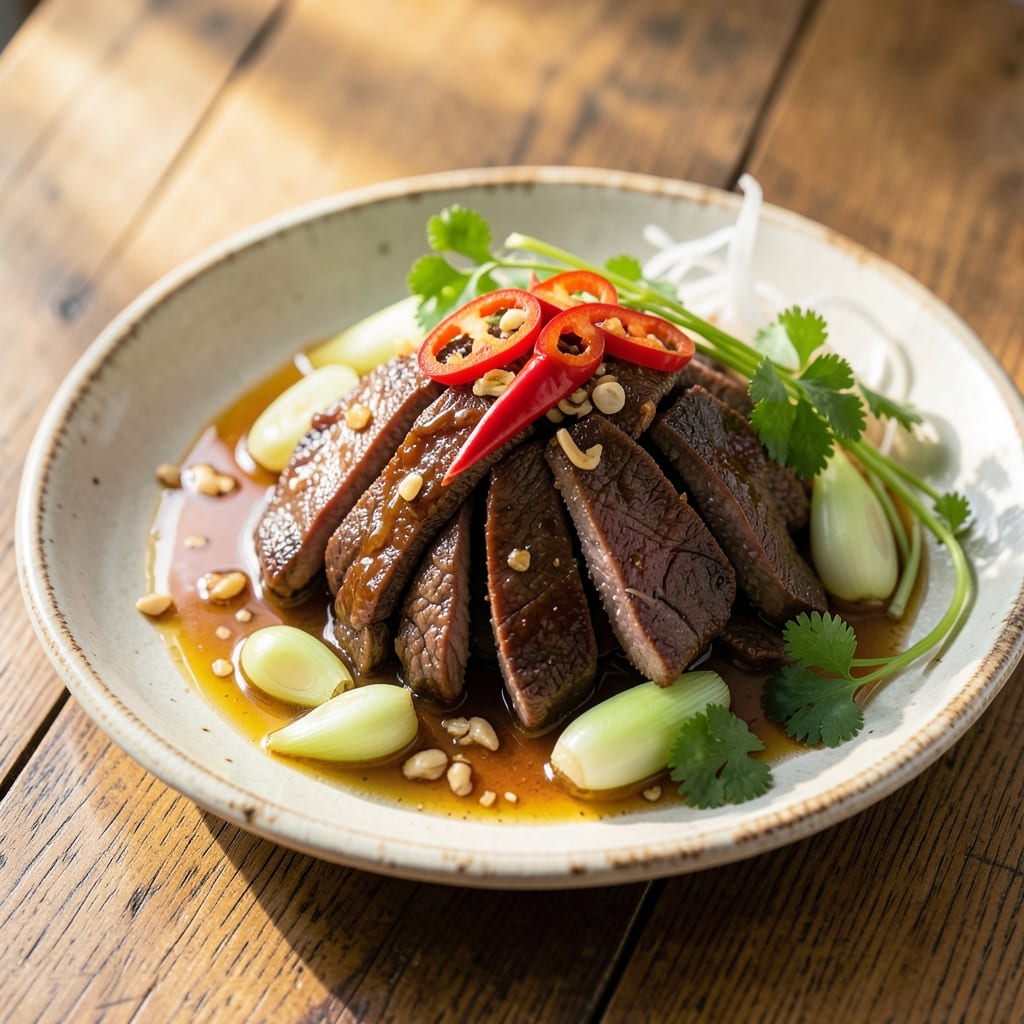
This authentic Vietnamese shaking beef delivers the same wok-hot, crispy bites you'd find in Hanoi street stalls—silky fish sauce, tender beef, and that signature crackling crunch. 🔥 The secret lies in the marinade's balance of fish sauce, sugar, and garlic, which transforms thinly sliced beef into addictively tender pieces that develop a crispy exterior when shaken in the wok.
What sets this recipe apart is the shaking technique itself—a rapid motion that creates those coveted crispy edges while keeping the interior perfectly tender. We'll use flank steak for its lean texture, but the method works equally well with sirloin or even chicken thighs for a modern twist. The dish is traditionally served with rice noodles, fresh herbs, and a squeeze of lime to brighten the rich, savory flavors.
By the time you're done, you'll have a plate of restaurant-quality shaking beef with crispy edges that shatter between your teeth and a silky fish sauce that clings to every bite. The aroma alone will transport you to a bustling Hanoi street market, where this dish is a beloved staple. This recipe delivers authenticity without compromising on flavor or technique.
Serve immediately with steamed rice noodles, fresh herbs like Thai basil and cilantro, and a wedge of lime for that perfect balance of textures and temperatures. The dish is best enjoyed fresh—just like in Vietnam. Let's get cooking!
Ingredients for authentic vietnamese shaking beef
Flank steak, fish sauce, and garlic—just three things that transform into Hanoi street food magic.
| Ingredient | Amount | Notes |
|---|---|---|
| Flank Steak 🥩 | 1 ½ lb | Thinly sliced against grain |
| Fish Sauce 🍶 | ½ cup | Red Boat preferred for authenticity |
| White Sugar 🍚 | ¼ cup | Granulated, not powdered |
| Garlic Cloves 🧄 | 8 cloves | Minced finely for marinade |
| Fresh Ginger 🌿 | 2 tbsp | Finely grated, juicy ginger |
| Rice Vinegar 🍶 | ¼ cup | White or seasoned |
| Neutral Oil 🫒 | ¼ cup | Vegetable or canola |
| Salt 🧂 | 1 ½ tsp | Kosher or sea salt |
| Black Pepper 🌶️ | ½ tsp | Freshly ground |
| Thai Basil Leaves 🌿 | ½ cup | Fresh, stems removed |
| Cilantro Leaves 🌱 | ½ cup | Fresh, chopped |
| Lime Wedges 🍋 | 2 whole | For serving |
| Rice Noodles 🍜 | 8 oz | Wide or medium width |
| Sesame Oil 🫒 | 1 tbsp | For finishing |
The Red Boat fish sauce is non-negotiable for authenticity—it's the heart of this dish. Grab it at Asian markets or the international aisle at Whole Foods if you can't find it locally. Look for that salty, umami-rich aroma when you open it, not the faintly fishy stuff. The steak? Flank is traditional, but sirloin works too if you prefer. Slice it thinly against the grain—use a sharp knife and don't fight it. For the garlic, peel and mince finely—you want it almost paste-like so it blends into the marinade. Fresh ginger is key here; no powdered substitutes—it needs that bright, zesty kick.
No Red Boat fish sauce? Red Boat Gold works too, or Three Crabs if you're in a pinch. The sugar can be swapped for brown sugar (same amount), but white keeps it authentic. Running low on Thai basil? Regular basil plus a pinch of fish sauce gets you close, though it won't be identical. The rice noodles? Banh pho (wide noodles) are traditional, but vermicelli works if that's what you've got. For the oil, vegetable or canola are neutral enough not to overpower, but peanut oil adds a nice depth if you're feeling adventurous. Just don't use olive oil—it'll taste wrong.
Marinate the beef for at least 30 minutes (overnight is even better), but don't overdo it—it's about flavor, not tenderizing. The noodles should be steamed and kept warm in a bowl with a splash of water and a lid. This dish is all about freshness—serve immediately with the herbs and lime. Leftovers? Not recommended—the texture goes soft fast. But if you must, store the beef separately and reheat quickly in a wok. The noodles? Eat them right away—they get gummy fast.
Why You'll Love This Recipe
- No Fuss, No Mess: I swear by this recipe when I’m too tired to chop much—just slice the steak thin, toss it in a bag with garlic, ginger, and fish sauce, then shake like you’re trying to win a lottery. The marinade does all the work while you make dinner or watch one episode of your favorite show.
- Sweet-Savory Magic: That balance of fish sauce’s umami and sugar’s caramelized bite? It’s what turns this beef into something you’ll reach for instead of takeout. The ginger and garlic linger just enough to make every bite feel like a little Vietnamese street food adventure.
- Lunches for Days: Between us, this recipe is my meal prep secret weapon. Cook a big batch on Sunday, slice it over rice or noodles, and you’ve got lunch sorted for the week. (Pro tip: The flavor actually improves after a day or two—yes, really.)
- Budget-Friendly Protein: Flank steak is affordable, and a single pound stretches across multiple meals. I’ll be real: I’ve fed four people for under $15 with this, and no one complains about the leftovers. That’s a win in my book.
Step-by-step instructions for authentic Vietnamese shaking beef
Here's how to nail that signature wok-hot, crispy-yet-tender beef with silky fish sauce.
🔪 Step 1: Prep the Flank Steak for Perfect Texture
First, slice the 1.5 lb flank steak thinly against the grain using a sharp knife. I like to make ¼-inch thick slices—this ensures tender bites that cook fast in the wok. Arrange the slices on a plate and pat them completely dry with paper towels. Any moisture will prevent that beautiful crispy crust we're after.
In a small bowl, combine 0.5 cup fish sauce, 0.25 cup white sugar, 0.25 cup rice vinegar, 8 cloves minced garlic, and 2 tbsp grated ginger. Mix well until the sugar dissolves completely. This marinade needs to work fast—add the steak slices and toss gently to coat evenly. Let them soak for 15-20 minutes at room temperature. The acidity and salt will start breaking down the meat fibers right away.
🍳 Step 2: Cook the Rice Noodles Just Right
While the beef marinates, prepare the 8 oz rice noodles by soaking them in hot water for 5-7 minutes until pliable but still slightly firm. Drain and rinse briefly under cold water to stop the cooking process. Toss with 1 tbsp sesame oil and set aside. Overcooked noodles turn mushy—you want them to finish cooking in the wok's residual heat.
Here's the thing—rice noodles should be al dente when served. If they're too soft now, they'll turn into a gluey mess when combined with the beef. Keep them covered with a damp towel to prevent drying out while you finish the beef.
🔥 Step 3: Sear the Beef in Stages for Maximum Crisp
Heat a wok or large skillet over high heat until it's screaming hot. Add 0.25 cup neutral oil and let it shimmer. Working in batches (don't overcrowd!), add the marinated beef and sear for 30-45 seconds per side until the edges turn deep golden brown and slightly crispy. You want that wok-hei—smoky, charred flavor that defines street-style beef.
As each batch cooks, transfer the beef to a plate and tent loosely with foil to keep warm. The residual heat will finish cooking the centers while you work through the rest. Don't walk away—beef burns fast at this heat level. You'll know it's ready when it releases easily from the pan and has a caramelized crust.
🥘 Step 4: Combine Everything for the Final Shake
Return all the cooked beef to the wok and add the drained noodles. Toss everything together vigorously for 1-2 minutes until the noodles soften slightly from the beef's residual heat. The beef should still have some bite—it'll finish cooking from the heat of the noodles.
Now for the magic part: add 0.5 cup thai basil leaves and 0.5 cup cilantro leaves, tossing gently to wilt the herbs. The basil should just barely soften—you want that fresh, peppery flavor to shine through. If the mixture looks dry, add 1-2 tablespoons of hot water from the noodles' soaking water to create a light sauce.
🍽️ Step 5: Serve Immediately with Lime and Crisp
Divide the shaking beef among serving plates and garnish with the 2 whole lime wedges. The acidity cuts through the richness of the beef and fish sauce. Serve with extra thai basil leaves and cilantro leaves on the side for topping—let everyone customize their bowls.
Here's the secret to authentic presentation: pile the beef high in the center of the plate, letting the noodles peek out around the edges. The contrast of crispy beef edges with silky noodles is what makes this dish irresistible. Eat immediately while everything is wok-hot—this isn't a dish that waits!
Pro Tips For Making Authentic Vietnamese Shaking Beef
- REST THE STEAK RIGHT: Flank steak is stubborn—it’ll fight you if you don’t let it relax. Pat it dry, then hit it with salt and a generous splash of fish sauce (about 1 tablespoon) 30 minutes before cooking. Toss it in the fridge uncovered (yes, really) so it firms up and absorbs flavor. I used to skip this and wondered why my beef always turned chewy—turns out, patience here isn’t optional.
- SHRED WITH A KNIFE FIRST: The "shaking" part is easier if you start with a head start. After searing, pull the steak from the pan and slice it against the grain into ¼-inch strips while it’s still hot. Then toss those strips back in the pan for the fish sauce-sugar glaze to cling properly. I learned this the hard way—trying to shake raw, thick slices just makes your arm tired for no reason.
- BALANCE THE FISH SAUCE: Too much fish sauce = bitter, too little = bland. For every teaspoon of sugar in your glaze, use half a teaspoon of fish sauce (start with 1 tsp fish sauce to 2 tsp sugar). Taste as you go—add a splash of water if it’s too thick, but don’t dilute it past saving. My first batch was a salty disaster because I doubled the fish sauce "just to be sure." Spoiler: it wasn’t.
- USE GINGER-GARLIC PASTE: Fresh ginger and garlic are great, but mincing them into a paste with a splash of fish sauce (about 1 tablespoon total) makes them melt into the beef instead of sitting as chunks. Pulse them in a food processor, then fry that paste in the hot pan before the steak—it’ll bloom the flavors instantly. I was skeptical until I tried it; now I won’t go back.
Flavor customization for these flavors
Spicy Kick Level
For those who love heat, add 1-2 teaspoons of Sambal Oelek (or ½ teaspoon cayenne pepper) directly to the marinade. The chili heat will complement the beef's natural richness while keeping the dish balanced. Start with 1 teaspoon—you can always add more later. 🌶️
If you prefer a milder version, reduce the fish sauce slightly to 0.4 cup and add 1 tablespoon of honey to the marinade. This sweetens the profile without overpowering the beef's natural flavor.
Sweet and Tangy Twist
Swap the white sugar for ½ cup coconut sugar and add 1 tablespoon of tamarind paste to the marinade. The caramel notes from the coconut sugar and the tangy depth of tamarind create a complex flavor that pairs beautifully with the beef's savory profile.
For a brighter finish, add 1 tablespoon of rice vinegar and ½ teaspoon of white pepper to the marinade. The vinegar enhances the umami, while the white pepper adds a subtle, aromatic warmth that elevates the dish.
Herb Variations
Swap the Thai basil for fresh mint leaves or a mix of mint and cilantro for a refreshing twist. Mint adds a bright, almost citrusy note that cuts through the richness of the beef. Use ¼ cup mint and ¼ cup cilantro to balance the flavors.
For a more robust herb profile, add 1 tablespoon of chopped Vietnamese coriander (rau răm) to the marinade. This herb has a distinct, slightly bitter flavor that deepens the dish's complexity. It’s a staple in many Vietnamese dishes and adds an authentic touch.
Protein Swaps
For a lighter option, replace the beef with chicken thighs, sliced ¼-inch thick against the grain. Chicken absorbs the marinade quickly, so reduce the marinating time to 20 minutes to avoid over-tenderizing. The texture will be slightly different but still crispy and flavorful. 🍗
For a vegetarian version, use extra-firm tofu, pressed and sliced into ¼-inch thick rectangles. Marinate for 30 minutes and pan-fry until golden brown. The tofu will soak up the fish sauce beautifully, creating a satisfying texture.
Nutrition facts
Frequently asked questions
Why does the beef need to be sliced so thinly?
Thin slicing against the grain ensures tender bites that cook quickly in the wok. The ¼-inch thickness allows the marinade to penetrate deeply while creating crispy edges when seared. Flank steak's muscle fibers run long, so cutting perpendicularly shortens them for maximum tenderness.
What's the best way to achieve that signature crispy texture?
Use a screaming-hot wok and work in batches to avoid crowding. Sear each side for 30-45 seconds until deep golden brown, then shake the wok vigorously while cooking. The rapid motion creates those coveted crispy edges while keeping the interior juicy. High heat is non-negotiable for that authentic street-style crunch!
Can I make this recipe without rice noodles?
Serve the beef over steamed jasmine rice or even in lettuce cups for a low-carb option. The shaking beef works well as a filling for sandwiches or wraps too. Just reduce the cooking time slightly since there won't be noodles to finish cooking the beef.
How do I know when the beef is fully cooked?
Look for deep golden brown edges that release easily from the pan, and check the internal temperature reaches 145°F. The beef should still have a slight bounce when pressed—it'll finish cooking when tossed with the noodles. Overcooking turns it tough, so keep an eye on it during those final 30 seconds of searing.
What's the secret to the perfect fish sauce balance?
Use Red Boat fish sauce (or equivalent) and taste as you go. The marinade should be salty but not overpowering—about 1 teaspoon of salt per ¼ cup fish sauce. The sugar and vinegar help balance the saltiness while enhancing the umami. Start with the full amount, then adjust to taste after marinating.