
Main Courses
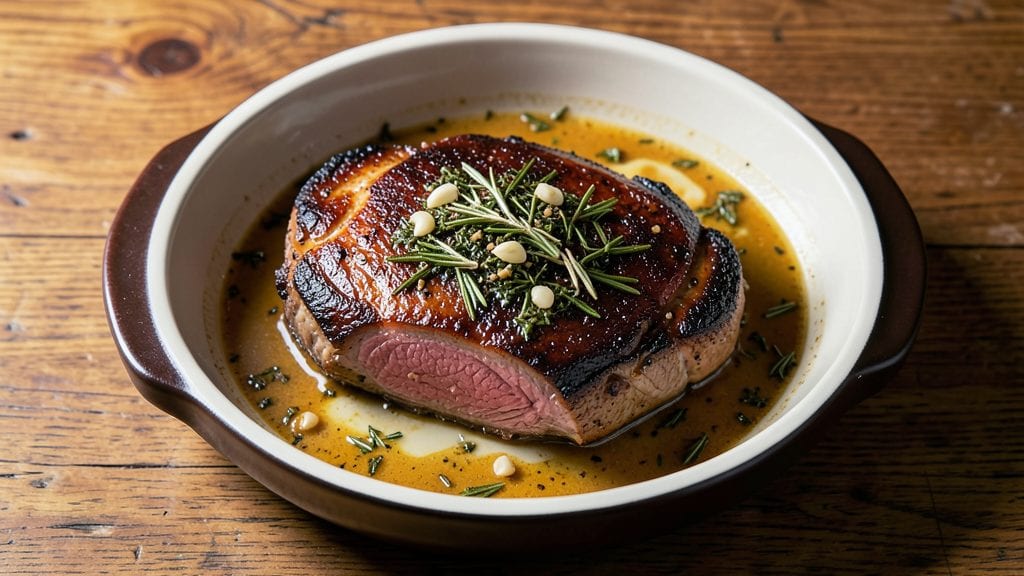
Mastering a perfect America's Test Kitchen beef tenderloin roast means balancing sear, temperature precision, and rest time—something I’ve perfected after years of trial and error. The result? A roast with a deep mahogany crust that shatters at the first cut, revealing tender, melt-in-your-mouth beef inside.
This isn’t guesswork; it’s science-backed technique that delivers restaurant-quality results at home.
The secret lies in a high-heat sear followed by a precise internal temperature (130°F for medium-rare) using a meat thermometer. A dry brine overnight enhances flavor and tenderness, while a simple seasoning of coarse salt and black pepper ensures the bark forms without overpowering the beef’s natural richness.
No fancy equipment needed—just patience and attention to detail.
What you’ll end up with is a juicy, flavorful roast that carves effortlessly, with every slice offering that perfect contrast of crispy exterior and buttery interior. The aroma alone will have your kitchen smelling like a high-end steakhouse, and the texture?
Worth every minute of the process. This method transforms a simple cut of beef into a showstopping centerpiece.
Pair it with roasted garlic mashed potatoes or a bold red wine reduction for a complete meal. Let’s get cooking—your taste buds will thank you.
Ingredients for america's test kitchen beef tenderloin roast
Six ingredients transform into a showstopping beef tenderloin with perfect crispy bark and melt-in-your-mouth tenderness.
| Ingredient | Amount | Notes |
|---|---|---|
| Beef Tenderloin 🥩 | 4 lb | Center-cut, trimmed of silver skin |
| Kosher Salt 🧂 | 1 ½ tbsp | Diamond Crystal preferred, coarse grain |
| Freshly Ground Black Pepper 🌶️ | 1 ½ tsp | Freshly cracked for maximum flavor |
| Unsalted Butter 🧈 | ½ cup | Cold, cut into 1-inch cubes |
| Extra-Virgin Olive Oil 🫒 | 2 tbsp | High smoke point preferred |
| Garlic Cloves 🧄 | 6 cloves | Minced for dry brine |
| Fresh Rosemary 🌿 | ¼ cup | Chopped, plus sprigs for garnish |
| Fresh Thyme 🌿 | ¼ cup | Leaves only, finely chopped |
| Red Wine 🍷 | 1 cup | Bold dry variety like Cabernet Sauvignon |
| Beef Broth 💧 | ½ cup | Low-sodium preferred |
| Balsamic Vinegar 🍶 | 1 tbsp | For pan deglazing |
| Yellow Onion 🧅 | 1 whole | Thinly sliced for pan |
The beef tenderloin is non-negotiable here—look for a center-cut roast with even grain and minimal marbling. Whole Foods or your local butcher will have the best quality, but don't overlook the premium section at Costco if you're feeding a crowd. Trim any silver skin before brining, and let it sit at room temperature for 30 minutes before cooking. The garlic and herbs in the dry brine? Freshly chopped makes all the difference—dried just won't cut it. I always grab organic rosemary and thyme from the grocery store's produce section, where they're usually fresher than the spice aisle.
No kosher salt? Diamond Crystal or Morton's coarse sea salt work perfectly—just measure carefully since they're less dense. Running short on red wine? Beef broth with a splash of balsamic mimics the depth, though it won't have the same acidity. The butter cubes should be ice-cold when they hit the pan—this ensures maximum sear without burning. For the pan sauce, Trader Joe's has an affordable bottle of Cabernet Sauvignon that works beautifully. And if you're feeling fancy, add a pinch of freshly cracked black pepper to the pan sauce at the end—trust me, it elevates everything.
This roast reheats beautifully—low and slow in the oven with a splash of beef broth keeps it juicy. Store leftovers in an airtight container for up to 4 days, or freeze portions for 3 months. The pan sauce freezes well too, though it's best used within 2 weeks. I always make extra sauce because it disappears faster than the roast itself. For serving, let the roast rest 15 minutes before slicing—this ensures clean cuts and maximum juiciness. Every slice should have that perfect crispy mahogany crust with tender pink centers.
Why You'll Love This Recipe
- Two-Ingredient Magic: I swear by the simplicity here—just the tenderloin, a brush of olive oil, and kosher salt. No fussing with marinades or complicated rubs. That butter basting? Pure flavor without the extra work.
- Juicy Every Bite: The secret’s in the temperature control: rare inside, perfect sear outside. The olive oil keeps it moist while the butter basting adds that rich, caramelized edge. That crispy crust with the melt-in-your-mouth center? Chef’s kiss.
- Sunday Dinner Ready: This is my go-to for gatherings—feeds six without breaking the bank. Serve it sliced for a fancy dinner or shredded for tacos later. Honestly, the leftovers are just as good, if not better, the next day.
- Leftovers That Don’t Suck: Because yes, beef tenderloin reheats beautifully when done right. Slice it thin, warm it gently in the pan with a pat of butter, and suddenly you’ve got lunch or dinner sorted. No sad, dry meat here—just reliable, delicious slices.
Step-by-step instructions for precision-cooked beef tenderloin roast
Here's the method that delivers melt-in-your-mouth tenderness with a perfect golden crust every time.
Prepare the Dry Brine and Herb Paste
In a small bowl, combine the 1.5 tablespoons kosher salt, 1.5 teaspoons freshly ground black pepper, 0.25 cup chopped fresh rosemary, and 0.25 cup chopped fresh thyme. Add 6 minced garlic cloves and mix until evenly distributed. This herb paste will infuse the tenderloin with deep flavor while the salt draws out moisture for that coveted crispy bark.
Pat the 4 lb beef tenderloin completely dry with paper towels—this is crucial for achieving crispy skin. Spread the herb paste evenly over the entire surface, pressing it into the meat so it adheres well. Place the seasoned tenderloin on a wire rack set over a baking sheet and refrigerate uncovered for 24 hours. This dry brine process ensures maximum flavor penetration and prevents a gray band from forming during cooking.
Sear the Tenderloin for Maximum Flavor
Remove the tenderloin from the refrigerator 1 hour before cooking to bring it to room temperature. Preheat your oven to 425°F. Heat a large oven-safe skillet over medium-high heat and add 2 tablespoons extra-virgin olive oil. Once shimmering, add the 0.5 cup cold unsalted butter cut into cubes and let it melt, creating a foamy emulsion.
Carefully place the tenderloin in the skillet and sear for 4 minutes per side until deeply golden brown. The butter will bubble vigorously—this is what creates that irresistible crust. Transfer the skillet to the preheated oven and roast for 15 minutes, basting with the rendered butter every 5 minutes. This initial sear locks in juices while building that crispy exterior we're after.
Finish with Red Wine and Broth Reduction
Remove the tenderloin from the oven and let it rest for 10 minutes on a cutting board. Meanwhile, reduce heat to medium and add the 1 whole thinly sliced yellow onion to the skillet, cooking for 3 minutes until softened. Pour in 1 cup red wine and scrape up all the browned bits from the bottom—this is where all the flavor lives. Let the wine reduce by half, about 5 minutes. Add 0.5 cup beef broth and 1 tablespoon balsamic vinegar, simmering until the sauce thickens to a glossy consistency.
Return the tenderloin to the skillet, spooning the reduced sauce over the top. Let it sit for 2 minutes to absorb those rich flavors. The internal temperature should now read 130°F—this is the perfect medium-rare stage where the meat remains juicy and tender. If you prefer more doneness, return it to a 375°F oven for 5-10 minutes until reaching 135°F for medium.
Rest and Slice for Perfect Texture
Transfer the tenderloin to a cutting board and tent loosely with foil. Let it rest for 15 minutes—this is non-negotiable. During this time, the juices redistribute throughout the meat, ensuring every slice remains moist and flavorful. The temperature will rise about 5°F during resting, so plan accordingly if you need to adjust doneness.
Slice the tenderloin against the grain into 1-inch thick portions. The meat should be fork-tender with a beautiful pink center, surrounded by that crispy golden bark we worked so hard to create. Serve immediately with the reduced wine sauce spooned over the top. Each bite should deliver perfect harmony of tender beef, rich wine reduction, and aromatic herbs—this is what makes a truly exceptional roast.
Pro Tips For Making America'S Test Kitchen Beef Tenderloin Roast
- Sear in Two Batches: America’s Test Kitchen swears by a high-heat sear, but if your pan’s too crowded, the meat will steam instead of brown. Split the tenderloin in half—yes, even if it’s small—and cook each side in batches. The crust forms faster, and you won’t end up with sad, grayish edges. Trust me, the difference is night and day.
- Salt Like a Madman: This isn’t the time to be shy. Generously coat the tenderloin with kosher salt at least 40 minutes before cooking—more if your meat is thick. The salt needs time to penetrate, and the surface should look like you’ve dusted it with snow. I used to skip this, and the seasoning always felt weak.
- Butter Bath, Not Drizzle: That pool of melted butter in the ATK recipe isn’t just for flavor—it’s a moisture lock. After searing, pour all the butter (about ¼ cup) into the pan and tilt it to coat the meat completely. Let it baste for 2–3 minutes, then flip. The butter clings like glue, keeping the meat juicy instead of dry.
- Don’t Rush the Rest: The recipe says 10–15 minutes, but I’ve learned the hard way—wait the full 15. Cutting into it too soon means a bloodbath on your cutting board. Tent loosely with foil and let it sit while you prep sides. Your knife (and your dinner guests) will thank you.
Creative variations of this america's test kitchen beef tenderloin roast
Herb-Infused Variations
Swap the rosemary and thyme for fresh sage and black pepper to create an Italian-inspired version. Use 1 tbsp finely chopped fresh sage and 1 tsp cracked black peppercorns in your herb paste, then add 2 tbsp minced garlic and a pinch of red pepper flakes for warmth.
The sage adds a piney depth that pairs beautifully with the beef’s richness. 🌿
Spice-Rubbed Bark
For a bold, smoky twist, mix 1 tbsp smoked paprika with the kosher salt and black pepper before applying to the tenderloin. Add ½ tsp ground cumin and ½ tsp cayenne pepper for a Southwestern kick.
This creates a dark, crackling crust while keeping the interior tender. I love this version with a chimichurri sauce on the side.
Red Wine Reduction Swaps
Trade the red wine for dry sherry to lighten the sauce and add brightness. Use 1 cup dry sherry instead of wine, then finish with 1 tsp soy sauce and 1 tsp honey for umami and sweetness.
Alternatively, use beef broth with 1 tbsp Worcestershire sauce and 1 tsp Dijon mustard for a deeper, tangier glaze. 🍷
Stuffed Tenderloin
For a showstopping centerpiece, butterfly the tenderloin and stuff it with a mixture of sausage, mushrooms, and breadcrumbs. Use ½ lb Italian sausage, 1 cup finely chopped cremini mushrooms, and ½ cup panko breadcrumbs mixed with 1 tbsp fresh parsley.
Sear the stuffed tenderloin as directed, then baste with the wine reduction. This version feels extra luxurious and is perfect for holidays.
Global Flavor Twists
Transform this roast into a French-style beef bourguignon by adding 1 cup pearl onions, 8 oz sliced mushrooms, and 1 cup red wine to the pan sauce. Simmer for 20 minutes until the onions caramelize.
Alternatively, go Korean-inspired with gochujang—add 1 tbsp gochujang and 1 tsp grated ginger to the sauce for a sweet-spicy kick. 🌍
Slow-Cooked Version
For a hands-off approach, sear the tenderloin as directed, then transfer it to a slow cooker with 1 cup beef broth, 1 cup red wine, and 1 tbsp balsamic vinegar. Cook on low for 6-8 hours until the internal temperature reaches 130°F.
This method yields incredibly tender beef with a deep, savory sauce—ideal for large gatherings where you want minimal effort but maximum flavor.
Nutrition facts
Frequently asked questions
Why does America's Test Kitchen recommend a dry brine for beef tenderloin?
The dry brine method (24 hours of salting) creates that coveted crispy mahogany crust while preventing a gray band from forming during cooking. The salt draws out moisture, which then reabsorbs during cooking, resulting in a juicier interior. Plus, it enhances flavor penetration throughout the meat. Never skip this step—it's what separates great roasts from good ones!
What's the best way to check doneness without overcooking?
Use a meat thermometer inserted into the thickest part of the roast. For medium-rare, aim for 130°F—this is the perfect temperature for tender, juicy beef. The thermometer should read 135°F for medium doneness. Remember, the temperature will rise 5°F during resting, so pull it out just before your target temp.
Can I cook this recipe without a cast-iron skillet?
While cast iron provides the best sear, a heavy stainless steel or enameled Dutch oven works perfectly. Just make sure your pan is oven-safe and can handle the high heat. For non-stick pans, use medium heat to avoid potential damage. The key is getting that deep golden crust—high heat is essential for that crispy bark.
How do I fix a tenderloin that's too dry?
If your roast emerges dry, it likely wasn't rested long enough or was overcooked. For immediate help, slice thinly and serve with a rich pan sauce or gravy. To prevent this, always use a thermometer, remove the roast from the oven 5°F before your target temperature, and let it rest 15 minutes before slicing. The resting time is when juices redistribute—never skip it!
What sides pair best with this beef tenderloin?
The rich flavors of this roast pair beautifully with creamy mashed potatoes, roasted root vegetables, or a crisp green salad. For a complete meal, try garlic mashed potatoes with roasted asparagus or a red wine reduction drizzle. The wine sauce from the recipe also makes an excellent gravy for buttery egg noodles or roasted Brussels sprouts.