
Main Courses
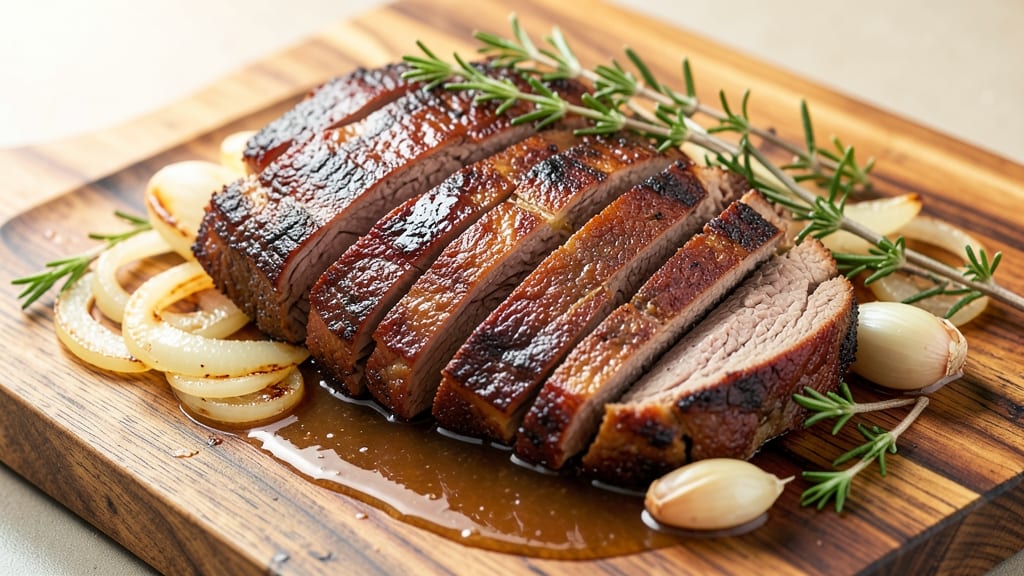
Mastering America's Test Kitchen beef brisket recipe means transforming tough, lean beef into melt-in-your-mouth perfection through precise low-and-slow cooking. This isn't just a recipe—it's a science-backed method that guarantees tender, juicy results every time, whether you're smoking, braising, or oven-roasting.
The key lies in understanding how collagen breaks down and how to control moisture loss at every stage.
What sets this recipe apart is its focus on internal temperature control—never guessing, always measuring. We'll use a meat thermometer to track progress, ensuring the brisket reaches the ideal 203°F for maximum tenderness without drying out.
The secret weapon? A two-stage cooking process that first renders fat and then cooks the meat gently, preserving every ounce of moisture and flavor. This method eliminates the guesswork that leads to dry, tough brisket.
The result is a brisket so tender it practically falls apart at the touch, with a deep, smoky aroma that fills your home hours before serving. The crust develops a beautiful mahogany color while the interior remains juicy and rich, proving that patience in the kitchen pays off exponentially.
This is the kind of brisket that makes barbecue competitions look easy—reliable, repeatable, and restaurant-quality at home.
Whether you're preparing for a weekend feast or meal prepping for the week, this recipe delivers foolproof results with minimal effort after the initial setup. Pair it with classic sides like creamy coleslaw or buttery cornbread for the full experience.
Let's get started on your most tender brisket yet—backed by the same rigorous testing that makes America's Test Kitchen a trusted name in home cooking.
Ingredients for america's test kitchen beef brisket
Precision-crafted ingredients transform tough brisket into melt-in-your-mouth perfection through science-backed low-and-slow cooking mastery.
| Ingredient | Amount | Notes |
|---|---|---|
| Beef Brisket (Packer Cut) 🥩 | 6 lb | Whole packer cut, 1.5-2 inches thick |
| Yellow Onion 🧅 | 2 whole | Yellow or yellow-red, medium size |
| Garlic Cloves 🧄 | 8 cloves | Fresh, peeled, smashed |
| Fresh Thyme 🌿 | 4 sprigs | Or 1 tbsp dried thyme |
| Fresh Rosemary 🌿 | 2 sprigs | Or 1 tsp dried rosemary |
| Beef Broth 🍲 | 2 cups | Low-sodium preferred, homemade or high-quality |
| Apple Cider Vinegar 🍎 | ¼ cup | For acidity balance |
| Dark Brown Sugar 🍚 | ½ cup | Packed, light or dark |
| Smoked Paprika 🌶️ | 2 tbsp | For deep smoky flavor |
| Kosher Salt 🧂 | 2 tbsp | Diamond Crystal preferred |
| Black Peppercorns 🌶️ | 1 tbsp | Freshly cracked |
| Mustard Seeds 🌾 | 1 tsp | Yellow or brown |
| Beef Tallow or Lard 🧈 | ½ cup | For basting, optional but recommended |
| Wood Chips (Hickory or Oak) 🌳 | 2 cups | For smoker or grill |
The packer cut brisket is non-negotiable—this flat, lean cut with ample connective tissue is what delivers that legendary tenderness. Butcher shops often carry it pre-trimmed, but if you're buying whole, look for a 1.5-2 inch thick piece with good marbling. Costco and Whole Foods typically stock high-quality brisket, but call ahead to confirm availability. The fat cap should be intact—this renders down during cooking to baste the meat. If your brisket arrives with a thick fat layer, trim it to about 1/4 inch to prevent flare-ups while preserving enough for flavor. Freshness is key: aim for brisket that smells clean and has a vibrant, deep red color—not grayish or slimy.
Substitutions must prioritize collagen content and moisture retention. Chuck roast can replace brisket in a pinch (adjust cooking time by +2 hours), though it lacks the same beefy depth. For the aromatics, dried thyme and rosemary work at one-third the amount, but fresh herbs impart superior complexity. The apple cider vinegar can be swapped for red wine vinegar (same acidity punch), while molasses replaces brown sugar in a 1:1 ratio—just note the flavor profile shift. Beef broth should be low-sodium; if using bouillon, dilute it to half-strength to avoid over-salting. The smoked paprika is critical for that signature bark—substitute with 1 tbsp regular paprika + 1 tsp liquid smoke if unavailable, though results won't be identical. For basting, duck fat makes an excellent tallow substitute if you're avoiding pork products.
Brisket excels as a make-ahead centerpiece—it tastes even better the next day as flavors meld. Store cooked brisket in its juices in a sealed container for up to 5 days in the fridge, or freeze for up to 3 months by wrapping tightly in butcher paper followed by foil. Reheat slowly in a 275°F oven for 2-3 hours until internal temp hits 165°F, basting occasionally with pan juices. For meal prep, slice against the grain and portion into individual servings with a small cup of au jus. The wood chips should be soaked in water for 30 minutes before use to prevent burning, and any leftovers can be composted or saved for future smoky projects like rubs.
Why You'll Love This Recipe
- Minimal Chopping Required: I swear by this trick—just rough-chop the onion and smash the garlic cloves with the flat of my knife. No julienne skills needed, and the brisket? You can leave the fat cap on for extra flavor without fuss.
- Herb-Packed Magic: That combo of thyme and rosemary? It’s like a whisper of the Mediterranean in every bite—bright, earthy, and just enough to make the brisket feel special, not like a weeknight shortcut.
- Leftover Heaven: Between us, this recipe makes enough for lunch the next day, and the flavor only gets better. Slice it thin, toss it into sandwiches, or reheat it with a splash of beef broth—it’s my go-to for busy mornings.
- Budget-Friendly Feast: Packer-cut brisket is cheaper than prime, but this method turns it into something restaurant-worthy. I’ve fed six people for under $20, and honestly? No one ever guesses it’s not a $50 cut.
Step-by-step instructions for america's Test Kitchen beef brisket
Mastering this brisket relies on precise technique and temperature control—here's how to execute it flawlessly.
Prepare the Brisket and Dry Rub
Begin by trimming the 6 lb beef brisket (packer cut) to remove any excess fat, leaving a thin, even layer across the surface. This ensures proper heat penetration while maintaining moisture. Pat the meat dry with paper towels—removing all surface moisture is critical for bark development.
In a small bowl, combine the 2 tbsp kosher salt, 1 tbsp freshly cracked black peppercorns, 2 tbsp smoked paprika, 1 tsp mustard seeds, and 0.5 cup dark brown sugar. Mix thoroughly to create a fine, even dry rub. Generously coat all sides of the brisket with this mixture, pressing firmly to ensure adherence. Place the seasoned brisket on a wire rack set over a baking sheet and refrigerate uncovered for 12-24 hours. This step allows the rub to penetrate deeply and creates the ideal texture for smoke absorption.
Build the Smoking Chamber and Prepare the Aromatics
Soak the 2 cups wood chips (hickory or oak) in water for at least 30 minutes before use. This prevents them from burning too quickly and ensures steady, flavorful smoke production. Meanwhile, finely mince the 2 whole yellow onion and 8 cloves garlic cloves, then combine with the 4 sprigs fresh thyme and 2 sprigs fresh rosemary in a small bowl.
Preheat your smoker to 225°F using the soaked wood chips. Once the temperature stabilizes and you observe clean, blue smoke (not thick white), it's ready for the brisket. Spread the minced onion, garlic, and herb mixture evenly across the bottom of the smoker tray—this creates a flavorful smoke base that infuses the meat during the cook.
Smoke the Brisket Low and Slow
Place the brisket fat-side up in the smoker, positioning it away from direct heat sources. Maintain a consistent temperature of 225°F throughout the cook—fluctuations can lead to uneven doneness. Smoke the brisket for 6-8 hours, or until the internal temperature reaches 165°F. This is where the "stall" typically occurs; don't panic if the temperature plateaus.
During this time, the brisket will develop a deep mahogany bark thanks to the dry rub and smoke exposure. For added moisture retention, inject the brisket with a mixture of 2 cups beef broth and 0.25 cup apple cider vinegar every 2 hours using a meat injector. This step ensures tenderness while balancing acidity for a well-rounded flavor profile.
Wrap and Finish the Cook
Once the brisket reaches 165°F, remove it from the smoker and wrap it tightly in butcher paper (not aluminum foil). This "Texas crutch" technique allows the brisket to continue cooking while preventing moisture loss. Return the wrapped brisket to the smoker and continue cooking until the internal temperature reaches 203°F, at which point a probe should slide in like butter with no resistance.
The total cook time typically ranges from 12-16 hours, depending on the brisket's size and your smoker's efficiency. During the final hour, baste the brisket occasionally with melted 0.5 cup beef tallow or lard to enhance bark development and add richness. This step is optional but recommended for that signature ATK finish.
Rest and Slice for Optimal Texture
Remove the brisket from the smoker and transfer it to a cutting board. Tent loosely with foil and let it rest for at least 1 hour before slicing. This resting period allows the juices to redistribute, ensuring each slice remains moist and flavorful. The internal temperature will rise an additional 5-10°F during this time.
Locate the grain direction on the brisket—you'll see lines running through the meat. Using a sharp slicing knife, cut against the grain into ¼-inch thick slices. Serve immediately with any accumulated juices from the resting period. The result should be a brisket with a perfect balance of tender meat, rich bark, and deep, smoky flavor—worthy of any competition table.
Pro Tips For Making America'S Test Kitchen Beef Brisket
- Trim the Fat First: The ATK recipe calls for a packer cut, which means a thick fat cap—trim it down to about ¼-inch before searing. I learned this the hard way: leaving too much fat makes the crust uneven and can turn your pan into a grease fire. Use a sharp knife and work quickly, or you’ll end up with a mess.
- Sear in Batches: That brisket is heavy, and crowding the pan will steam the meat instead of browning it. Work in two batches if needed, and don’t rush—high heat for 3-4 minutes per side builds the crust the recipe depends on. (Yes, even if you’re impatient like me.)
- Don’t Skimp on Salt: The ATK method relies on a dry brine, but I’ve seen people half the salt because “it’s too much.” Wrong. Use every gram of kosher salt called for—it seasons deep, keeps the meat juicy, and makes the crust crisp. Trust the recipe; your future self will notice the difference.
- Use a Meat Thermometer: The recipe’s internal temp target is 195°F, but I’ve pulled brisket at 190°F that was still tough. Invest in a good probe thermometer—insert it into the thickest part, avoid the fat, and pull it when it hits 195°F and the probe holds steady for 10 minutes. No guessing.
Best sauces and condiments for these flavors
Classic BBQ Sauce
For a traditional finish, use a thick, tangy BBQ sauce like Sweet Baby Ray's Original or Stubb's Original. Brush 2-3 tablespoons generously over the brisket during the final 30 minutes of smoking.
The high sugar content caramelizes beautifully, creating a glossy, sticky crust. For a vinegar-forward option, try Annie's Original—its bold tang cuts through the richness of the meat. 🍯
Au Jus Magic
Save every drop of pan juices during slicing and reduce them with ½ cup beef broth and 1 tablespoon apple cider vinegar over medium-high heat until syrupy. Strain and serve as a dipping sauce or drizzle over sliced brisket.
This technique transforms scraps into a flavor-packed au jus that elevates the dish to restaurant quality. 🥄
Spicy Chipotle Glaze
Blend 1 cup ketchup, 2 chipotle peppers in adobo, 1 tablespoon brown sugar, and 1 teaspoon smoked paprika until smooth. Simmer for 10 minutes to thicken, then brush over the brisket in the last 1 hour of cooking.
The smoky heat from the chipotles pairs perfectly with the brisket's deep flavors. Garnish with chopped cilantro before serving. 🌶️
Honey-Balsamic Reduction
Combine ½ cup honey, ¼ cup balsamic vinegar, and 1 tablespoon Dijon mustard in a saucepan. Simmer until reduced by half, then drizzle over sliced brisket. The sweet-tart balance enhances the brisket's natural richness without overpowering it. For extra depth, add 1 teaspoon fresh thyme during reduction. 🍯
Garlic-Herb Butter
Mix ½ cup softened butter, 3 minced garlic cloves, 1 tablespoon fresh rosemary, and 1 teaspoon black pepper. Spread this compound butter over the brisket during the final 15 minutes of cooking.
The butter melts into the bark, adding a luxurious, herby finish. Serve with extra butter for dipping. 🧈
Smoked Salt Crust
For a no-sauce option, sprinkle 1 tablespoon flaky sea salt and 1 teaspoon smoked salt over the brisket in the last 30 minutes. The salt melts into the bark, creating a crystalline crust that adds texture and depth.
This technique is perfect for those who prefer a clean, minimalist presentation. 🧂
Nutrition facts
Frequently asked questions
Why does America's Test Kitchen recommend cooking brisket to 203°F instead of the usual 195°F?
That extra 8°F ensures the collagen fully breaks down into gelatin, creating melt-in-your-mouth texture while preventing dryness. At 203°F, the meat becomes fork-tender without losing moisture—this is the sweet spot for brisket perfection after rigorous testing. The higher temp also accounts for the 5-10°F carryover rise during resting.
Can I substitute beef tallow with butter for basting?
Butter works in a pinch, but beef tallow (or duck fat) is ideal because it has a higher smoke point (370°F vs. butter's 350°F) and won't burn when exposed to smoker heat. For best results, use a 50/50 mix of butter and tallow if you're avoiding pure tallow. The fat renders beautifully into the bark, adding richness.
What's the best way to handle the "stall" when smoking brisket?
The stall (around 150-165°F) happens when moisture evaporates faster than it can render. To combat it, increase airflow slightly, avoid opening the smoker, and inject the brisket with beef broth + vinegar every 2 hours. The wrap (butcher paper) after 165°F traps steam, helping push through the stall without drying the meat. Patience is key—this phase is normal and temporary.
How do I know if my brisket is done without a meat thermometer?
While a thermometer is foolproof, you can check doneness by pressing the meat with tongs—if it feels like very soft butter and the probe slides in easily, it's ready. The bark should be deep mahogany with slight charring. For extra confirmation, cut into a small section: if it's fork-tender with minimal resistance, it's done. Without a thermometer, aim for 12-16 hours total cook time.
Can I cook brisket in the oven instead of a smoker?
Preheat your oven to 225°F and place the brisket on a wire rack over a baking sheet. Follow the same steps: dry rub, inject with broth/vinegar, and wrap in butcher paper at 165°F. The oven method works just as well—just monitor the temp closely to avoid fluctuations. For smoky flavor, add wood chips to a foil packet on the rack or use liquid smoke in the rub.