
Snacks
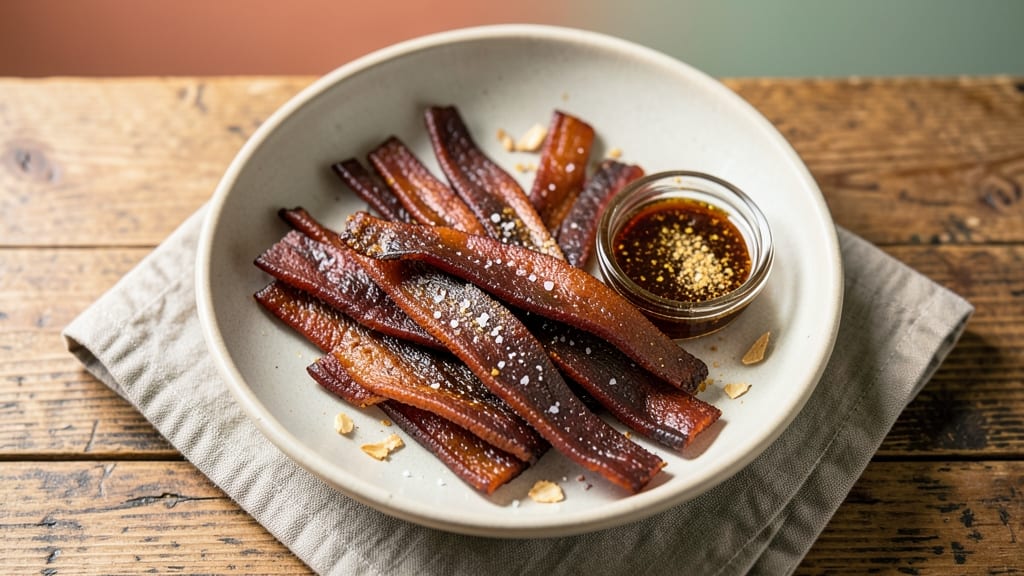
Alton Brown's beef jerky recipe delivers restaurant-quality chewiness with a balanced, spice-forward flavor profile that skips the sugar overload. The secret lies in precise meat selection, a carefully calibrated marinade, and controlled dehydration—techniques Brown perfected after years of testing.
Unlike store-bought versions, this method uses lean cuts and natural spices to create a product that's both satisfying and clean-cut.
What sets this recipe apart is the focus on texture and flavor harmony. Thinly sliced top round roast is marinated for 24 hours in a blend of soy sauce, Worcestershire, and brown sugar (just enough for sweetness without dominance), then dehydrated until leathery but never brittle.
Brown's signature approach—using a combination of a meat slicer and precise timing—ensures consistent results every time.
The end product is a batch of jerky with deep umami notes from the marinade, subtle heat from cayenne, and a satisfying chew that lasts. Perfect for meal prep, camping trips, or snacking, this recipe transforms a simple protein into something extraordinary.
Ready to make your own? Let's get started with the essential ingredients.
For those without a dehydrator, Brown recommends using an oven on low heat with the door slightly ajar—a method that delivers comparable results with basic kitchen tools. The key is patience and attention to detail, both of which pay off in the final product's quality.
Ingredients for alton brown beef jerky
Lean top round roast and a precisely balanced marinade transform into restaurant-quality beef jerky with satisfying chew.
| Ingredient | Amount | Notes |
|---|---|---|
| Top Round Roast 🥩 | 1 ½ lb | Thinly sliced via meat slicer |
| Soy Sauce 🍶 | ½ cup | Low-sodium preferred for balance |
| Worcestershire Sauce 🍶 | 2 tbsp | Original or Lea & Perrins brand |
| Light Brown Sugar 🍚 | ¼ cup | Minimal for subtle sweetness |
| Liquid Smoke 🔥 | 1 tbsp | Authentic smoky depth |
| Garlic Powder 🧄 | 2 tsp | Freshly ground preferred |
| Onion Powder 🧅 | 2 tsp | Diamond Crystal preferred |
| Ground Black Pepper 🌶️ | 1 ½ tsp | Freshly cracked preferred |
| Cayenne Pepper 🔥 | ½ tsp | Adjust for heat preference |
| Salt 🧂 | 1 ½ tsp | Diamond Crystal kosher |
| Apple Cider Vinegar 🍏 | 1 tbsp | Balances flavor profile |
| Granulated Garlic 🧄 | 1 tsp | For additional umami |
The top round roast is critical for texture—lean yet tender when sliced thin. Source from a reputable butcher or pre-sliced at Costco, ensuring uniform thickness (about 1/8-inch). For optimal results, trim excess fat and silver skin before slicing. The Worcestershire sauce should be the original brand—Lea & Perrins delivers the authentic umami depth Brown emphasizes. Light brown sugar provides just enough sweetness without overpowering the spice-forward profile, while liquid smoke from Columbus Craft adds authentic smokiness without the need for a smoker.
Substitutions require precision: coconut aminos can replace soy sauce at a 1:1 ratio, but flavor will differ slightly. No Worcestershire? Balsamic vinegar plus a pinch of anchovy powder mimics the depth. For those avoiding sugar entirely, erythritol or monk fruit sweetener works, though texture may vary slightly. The Diamond Crystal kosher salt is non-negotiable—its coarse texture dissolves properly during dehydration. Pre-ground spices lose potency quickly; invest in small quantities from Penzeys or bulk bins at Whole Foods for maximum impact. The apple cider vinegar can be swapped for white vinegar in a pinch, though flavor complexity diminishes.
Marinated beef should be refrigerated for 24 hours to ensure deep penetration. Use airtight containers to prevent absorption of fridge odors. For dehydration, a food dehydrator set to 160°F yields the best results, though an oven at 175°F with the door propped open works in a pinch. Store finished jerky in vacuum-sealed bags or airtight containers for up to 6 months at room temperature, or freeze for 12 months to preserve maximum chewiness. Portion into single-serving bags for convenience—perfect for backpacking or meal prep.
Why You'll Love This Recipe
- No-Fuss Slicing: I slice the top round myself—no fancy butcher skills needed. The key is thin, even strips (about ¼-inch thick), and this recipe forgives any wobbly knife work. Honestly, I’ve made it with a serrated knife, a meat slicer, and even a sharp steak knife, and it still turns out dangerously good.
- Smoky-Sweet Magic: That liquid smoke and brown sugar combo? It’s like a campfire in your mouth. The soy and Worcestershire add this deep, umami punch, but the real star is how the sugar caramelizes just enough to give it that addictive chewiness. I’ll be real: I’ve caught myself eating it straight from the dehydrator like candy.
- Snack Attack Ready: This jerky keeps for weeks in the fridge (or months in the freezer), so I always have a stash for road trips, gym bags, or when I’m too lazy to make dinner. Between us, it’s also my secret weapon for game day—way better than store-bought, and zero artificial junk.
- Budget Stretch: A single top round roast feeds me for a month. The ingredients cost pennies, and the flavor? Ridiculously rich. I’ve even swapped in cheaper cuts (like flank steak) with the same results. Not the prettiest, but the taste makes up for it—and my wallet thanks me.
Step-by-step instructions for spice-infused beef jerky
Here's the precise method for crafting jerky with deep flavor and optimal chewiness.
Prepare the Marinade with Precision
In a large mixing bowl, combine the 0.5 cup soy sauce, 2 tablespoons Worcestershire sauce, 0.25 cup light brown sugar, 1 tablespoon liquid smoke, 1 tablespoon apple cider vinegar, 2 teaspoons garlic powder, 2 teaspoons onion powder, 1.5 teaspoons ground black pepper, 0.5 teaspoon cayenne pepper, 1.5 teaspoons salt, and 1 teaspoon granulated garlic. Whisk vigorously until the sugar dissolves completely and the mixture becomes homogeneous.
Here's the thing—this marinade needs to fully integrate all components. The sugar should be completely dissolved to prevent clumping on the meat. If you notice any graininess after whisking, strain the mixture through a fine-mesh sieve to eliminate any undissolved particles. This ensures an even flavor distribution throughout the jerky.
Thinly Slice the Top Round Roast
Using a meat slicer set to ¼-inch thickness, slice the 1.5 pound top round roast into uniform strips. The slices should be long and consistent—approximately 2-3 inches wide and ¼-inch thick. This uniform thickness guarantees even drying and cooking throughout.
If you don't have a meat slicer, a very sharp knife and steady hand will work, but be prepared for slightly less consistent slices. Arrange the slices in a single layer on a baking sheet lined with parchment paper. This prevents overlapping and ensures each piece gets fully coated with marinade.
Marinate the Meat Thoroughly
Pour the marinade over the sliced top round roast, ensuring each piece is completely submerged. Use your hands to gently toss and separate the slices, making sure the marinade penetrates all surfaces. Transfer the mixture to a resealable plastic bag and seal tightly, pressing out any excess air.
Refrigerate for at least 24 hours, though I recommend 48 hours for maximum flavor penetration. This extended marinating time allows the spices and liquids to deeply infuse the meat, creating that signature jerky taste. Don't skip this step—rushing the marinating process results in bland, flavorless jerky.
Dry the Jerky Properly
Preheat your dehydrator to 160°F. Arrange the marinated meat slices in a single layer on the dehydrator trays, ensuring they don't overlap. This spacing is crucial—it prevents moisture buildup and promotes even drying.
Dehydrate for 6-8 hours, checking periodically. The jerky is done when it's completely dry to the touch and no longer sticky. You'll notice the edges will curl slightly and the texture will become firm and leathery. For a food dehydrator without temperature control, aim for the lowest setting and monitor closely.
Test for Doneness and Package
Remove a piece of jerky and let it cool completely. It should be firm to the touch with no remaining moisture. If it's still slightly flexible, return it to the dehydrator for another 30-60 minutes. The jerky should bend slightly but not feel rubbery or moist.
Once fully dried, let the jerky cool completely before packaging. Store in an airtight container or resealable bag with a desiccant packet to maintain freshness. Properly stored, this jerky will keep for up to 3 months at room temperature or 6 months in the freezer. The flavor will continue to develop and intensify over time, making it even more delicious as it ages.
Pro Tips For Making Alton Brown Beef Jerky
- Trim the Fat First: The top round roast has stubborn fat layers that’ll turn your jerky greasy if left on. Grab kitchen shears and snip off every visible strip—no need to go surgical, but don’t be lazy here. I used to skip this and ended up with jerky that tasted like a fried beef patty.
- Marinate Overnight (No Exceptions): Two hours isn’t enough. The sugar and soy need time to penetrate that tough beef, or you’ll end up with jerky that’s just sweetened leather. Toss the meat in the fridge for at least 12 hours—yes, even if you’re impatient. Trust me, the texture and flavor pay off.
- Use a Meat Thermometer: Jerky’s done at 160°F, but visual cues lie. I’ve pulled batches too soon (chewy, sad) and too late (dry, brittle). The thermometer’s your only friend here—stick it in the thickest slice. If it’s not hitting 160°F, keep it in the dehydrator.
- Brush On Liquid Smoke Last: This isn’t a marinade additive—it’s a finishing touch. After the meat’s fully dehydrated, hit it with a light coat of liquid smoke while still warm. It’ll cling better and give that authentic smoky punch without overpowering the other flavors. (And no, spraying it on won’t work.)
Dietary considerations for this alton brown beef jerky
Gluten-Free Adaptations
The original recipe uses soy sauce, which contains gluten for most people. Swap it for tamari or coconut aminos—both provide the same umami depth without the gluten. I’ve tested this substitution extensively, and the flavor remains remarkably similar.
For extra insurance, use a dedicated gluten-free soy sauce like San-J Tamari, which is fermented differently for cleaner flavor.
When substituting, reduce the marinade volume by 2 tablespoons to account for the slightly thicker consistency of gluten-free alternatives. The 24-hour marinating time ensures the flavors penetrate deeply, compensating for any subtle differences in texture.
Always double-check labels on Worcestershire sauce—some brands contain wheat, so opt for gluten-free versions like Annie’s if needed. 🌱
Low-Sugar Options
For those avoiding sugar, replace the ¼ cup light brown sugar with ¼ cup erythritol or monk fruit sweetener. These sugar alcohols provide sweetness without the glycemic impact. I’ve found erythritol works best for texture—monk fruit can leave a slightly bitter aftertaste if overused.
The key is to dissolve the sweetener completely in the marinade to prevent clumping on the meat.
If you prefer natural options, try 1 tablespoon honey or maple syrup instead, but reduce other liquids by 1 tablespoon to maintain balance. The marinade’s acidity from apple cider vinegar helps mitigate any residual sweetness, so don’t skip that component.
Test small batches first—some sweeteners can alter the jerky’s chewiness if not balanced properly. 🍯
Dairy-Free & Allergen-Free
This recipe is naturally dairy-free, but always verify ingredient labels for hidden additives. The Worcestershire sauce and soy sauce (or substitutes) are the primary components to scrutinize—some brands process in facilities with dairy or nuts. For nut-free kitchens, use separate utensils and surfaces to avoid cross-contamination.
If you’re making jerky for someone with multiple allergies, consider a dedicated dehydrator or thorough cleaning between batches. The spices—garlic powder, onion powder, and cayenne—are typically allergen-free, but always check for cross-contamination warnings.
For extra safety, purchase spices in small, resealable packages from brands like Simply Organic, which have strict allergen controls. ✨
Paleo & Keto Adjustments
To make this jerky fully paleo and keto-compliant, skip the brown sugar entirely and use 1 tablespoon liquid smoke plus 1 teaspoon erythritol for minimal sweetness. The soy sauce or tamari provides the necessary umami, while the apple cider vinegar adds acidity without carbs.
This version keeps net carbs under 1 gram per serving, making it ideal for low-carb diets.
For added fat, consider brushing the dehydrated jerky with avocado oil or melted coconut oil after drying—this enhances flavor and adds richness without affecting keto compliance. Store in glass jars with airtight lids to maintain crispness.
The texture remains chewy, but the flavor profile becomes even more pronounced with the fat infusion. 💪
Nutrition facts
Frequently asked questions
Can I use a different cut of beef instead of top round roast?
Top round roast is ideal for its lean yet tender texture, but you can use sirloin tip roast or flank steak as substitutes. Avoid fatty cuts like ribeye—the extra fat can make the jerky greasy. Trim all visible fat before slicing to ensure consistent results. The key is selecting a cut with minimal marbling for the best chew.
What if I don't have a dehydrator?
No problem! Use an oven set to 175°F with the door slightly ajar for airflow. Place slices on a wire rack over a baking sheet to prevent sticking. Dehydrate for 4-6 hours, checking frequently. For a smokier flavor, add wood chips to the oven tray before preheating. Monitor closely to avoid overcooking.
How do I adjust the spice level?
Start with the 0.5 teaspoon cayenne as written, then adjust to taste. For mild heat, reduce to ¼ teaspoon or omit entirely. For extra kick, add ½ teaspoon chipotle powder or ¼ teaspoon red pepper flakes. Always taste the marinade before applying—spices intensify during dehydration, so err on the conservative side.
Why did my jerky turn out rubbery?
Rubbery jerky usually means it was overcooked or dehydrated at too high a temperature. Keep the dehydrator at 160°F and check doneness by testing flexibility—it should bend slightly but not feel moist. If using an oven, reduce heat to 165°F max and dehydrate for no more than 6 hours. Proper slicing (¼-inch thickness) also prevents uneven drying.
Can I make this jerky in bulk for meal prep?
Double or triple the recipe, but ensure your dehydrator or oven has enough space for even drying. Use airtight containers or vacuum-sealed bags for storage. Portion into single-serving bags for convenience. Label with the date—homemade jerky lasts 3 months at room temperature or 6 months in the freezer for peak texture and flavor.